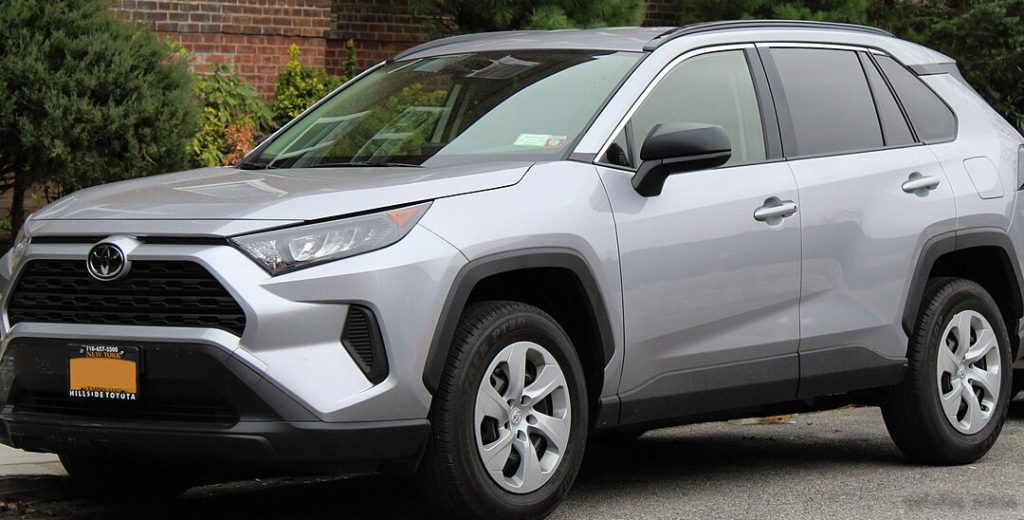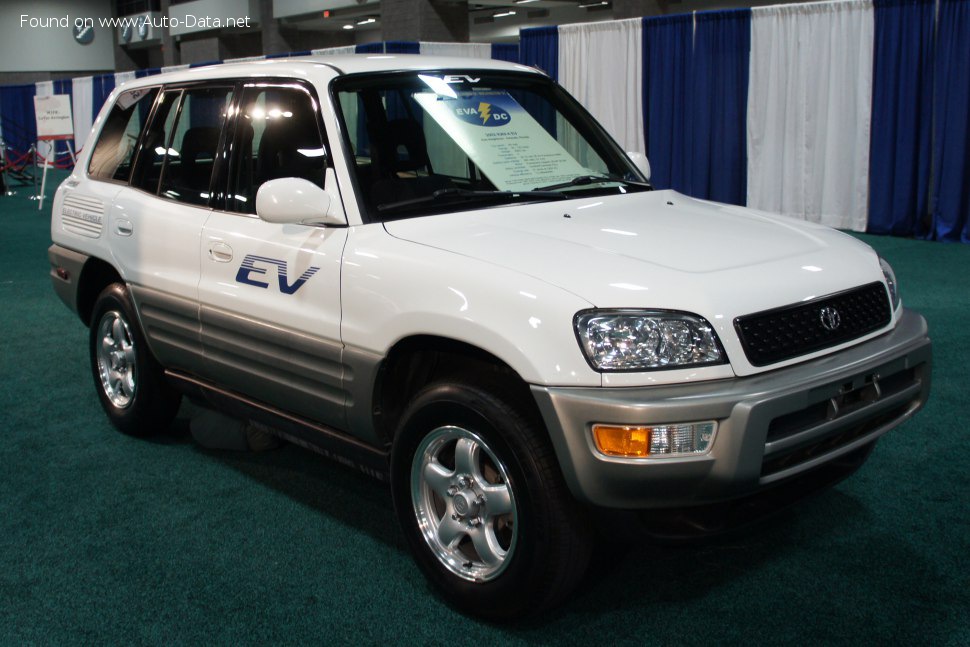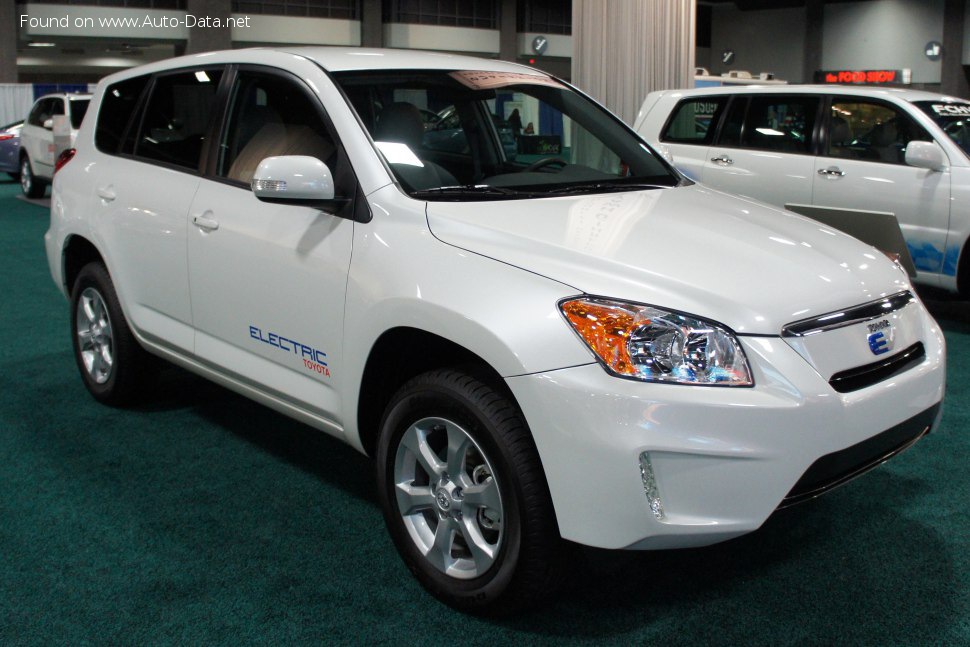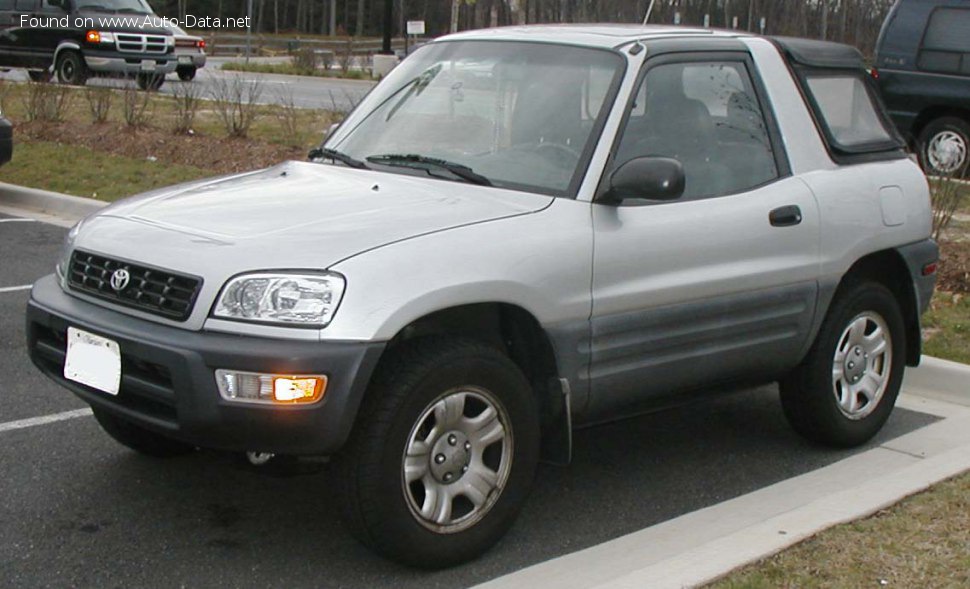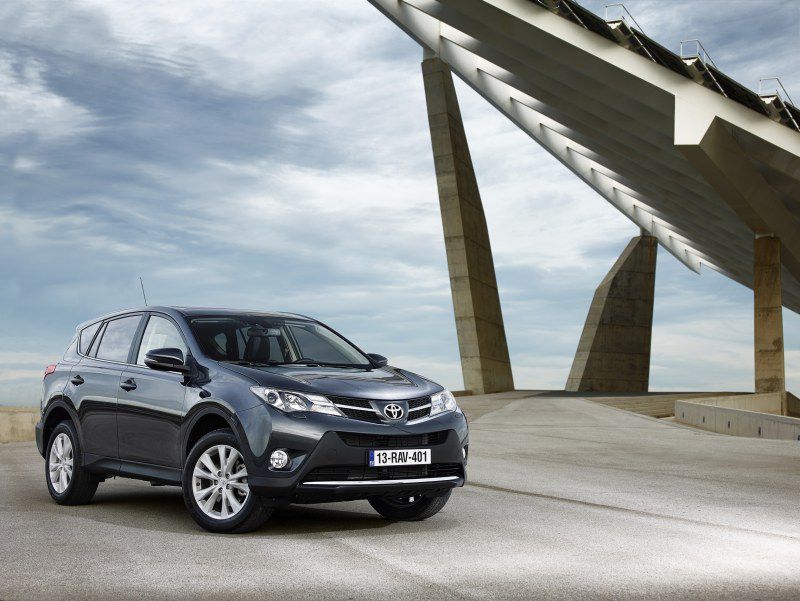
The Toyota RAV4, short for “Recreational Activity Vehicle: 4-wheel drive,” has long been a foundational model in the compact SUV segment, pioneering the crossover concept globally. The fourth-generation RAV4, produced from 2012 to 2015, marked a significant evolution for the nameplate, solidifying its position as a practical, reliable, and versatile choice for families and adventurers alike. The specific variant, the Toyota RAV4 IV 2.5 (176 Hp) AWD ECT-i, represents a popular and well-balanced offering within this generation, known for its capable powertrain and advanced all-wheel-drive system.
Toyota RAV4 IV: A Refinement of the Crossover
Introduced during a period of rapid expansion in the compact SUV market, the RAV4 IV moved away from some of its predecessors’ more rugged styling cues, embracing a sleeker, more modern aesthetic. It offered a compelling blend of car-like driving dynamics with the practicality and elevated seating position of an SUV. This particular iteration, with its 2.5-liter engine and sophisticated ECT-i automatic transmission, coupled with an intelligent all-wheel-drive system, was a core offering in the North American market, catering to consumers seeking a dependable daily driver capable of handling diverse weather conditions and light off-road excursions.
Engine & Performance
At the heart of the Toyota RAV4 IV 2.5 (176 Hp) AWD ECT-i lies Toyota’s 2AR-FE engine. This 2.5-liter (2494 cm³ or 152.19 cu. in.) inline-four gasoline engine is naturally aspirated, featuring a Double Overhead Camshaft (DOHC) valvetrain with 4 valves per cylinder. It employs a multi-port fuel injection system, ensuring efficient fuel delivery and combustion. The engine generates 176 horsepower at 6000 rpm, providing ample power for daily driving, highway cruising, and confident merging. Torque output stands at 233 Nm (171.85 lb.-ft.) at 4100 rpm, delivering responsive acceleration and sufficient grunt for hauling cargo or light towing. With a compression ratio of 10.4:1, the engine strikes a balance between power output and fuel efficiency, adhering to ULEV-II emission standards.
Power is transmitted through a 6-speed automatic transmission featuring Toyota’s Electronically Controlled Transmission with intelligence (ECT-i) technology. This system optimizes gear shifts for smoothness and efficiency, adapting to driving conditions and driver input. The powertrain architecture is front-transverse, driving the front wheels permanently, with the all-wheel-drive (AWD) system engaging the rear wheels via an electrically or mechanically operated clutch when additional traction is required. This on-demand AWD system enhances stability and grip in challenging conditions without compromising fuel economy during normal driving. Fuel economy figures reflect its practical design: an estimated 10.7 liters per 100 km (22 US mpg) in urban settings and 8.1 liters per 100 km (29 US mpg) on the highway.
Design & Features
The fourth-generation Toyota RAV4 IV adopted a more aggressive and contemporary design language compared to its predecessors. It moved away from the rear-mounted spare tire, integrating it beneath the cargo floor, resulting in a cleaner tailgate design. The body type is a traditional 5-door SUV, offering seating for five occupants. Measuring 179.88 inches (4569 mm) in length, 72.6 inches (1844 mm) in width, and 65.39 inches (1661 mm) in height, the RAV4 IV balances maneuverability in urban environments with interior spaciousness. Its 104.69-inch (2659 mm) wheelbase contributes to a stable ride, while a 6.3-inch (160 mm) ground clearance, coupled with 29° and 22° approach and departure angles respectively, provides capability for navigating unpaved roads or light trails. The 34.78-foot (10.6 m) turning circle ensures good maneuverability.
Inside, the RAV4 IV prioritizes practicality and comfort. The cargo volume is particularly impressive, ranging from 38.39 cu. ft. (1087 liters) with all seats in place, expanding to 73.38 cu. ft. (2078 liters) with the rear seats folded down. This generous space makes it suitable for hauling luggage, groceries, or sports equipment. The suspension system features an independent MacPherson strut setup with a transverse stabilizer at the front, and a double wishbone with a transverse stabilizer, trailing arm, and coil springs at the rear. This configuration provides a comfortable ride and competent handling. Braking is handled by ventilated discs at the front and solid discs at the rear, complemented by an Anti-lock Braking System (ABS) for enhanced safety. Electric power steering contributes to ease of driving and improved fuel efficiency.
Technical Specifications
| Category | Specification |
| General Information | |
| Brand | Toyota |
| Model | RAV4 |
| Generation | RAV4 IV |
| Type (Engine) | 2.5 (176 Hp) AWD ECT-i |
| Start of Production | 2012 |
| End of Production | 2015 |
| Powertrain Architecture | Internal Combustion engine |
| Body Type | SUV |
| Seats | 5 |
| Doors | 5 |
| Performance Specs | |
| City Fuel Economy | 10.7 l/100 km |
| Highway Fuel Economy | 8.1 l/100 km |
| Fuel Type | Petrol (Gasoline) |
| Emission Standard | ULEV-II |
| Weight-to-Power Ratio | 9.1 kg/Hp |
| Engine Specs | |
| Power | 176 Hp @ 6000 rpm |
| Torque | 233 Nm @ 4100 rpm |
| Engine Displacement | 2494 cm³ |
| Number of Cylinders | 4 |
| Compression Ratio | 10.4:1 |
| Space, Volume and Weights | |
| Curb Weight | 1610 kg |
| Trunk (Cargo) Space – Minimum | 1087 l |
| Trunk (Cargo) Space – Maximum | 2078 l |
| Dimensions | |
| Length | 4569 mm |
| Width | 1844 mm |
| Height | 1661 mm |
| Wheelbase | 2659 mm |
| Drivetrain, Brakes and Suspension Specs | |
| Drivetrain Architecture | The ICE drives the front wheels permanently, and the rear wheels are driven through an electrically or mechanically operated clutch if necessary. |
| Front Suspension | Independent type McPherson, Transverse stabilizer |
Legacy and Market Impact
The Toyota RAV4 IV, particularly the 2.5 (176 Hp) AWD ECT-i variant, played a crucial role in maintaining Toyota’s dominance in the compact SUV segment in the United States and globally. This generation built upon the RAV4’s established reputation for exceptional reliability, durability, and strong resale value.
In the US market, the RAV4 IV competed with rivals such as the Honda CR-V, Ford Escape, Nissan Rogue, and Mazda CX-5. Its appeal lay in its balanced approach: it wasn’t the sportiest, nor the most luxurious, but it consistently delivered on practicality, efficiency, and peace of mind. The available all-wheel-drive system made it a compelling choice for buyers in regions with inclement weather.
The RAV4 IV’s design, while not groundbreaking, was universally appealing, contributing to its broad market acceptance. Its spacious interior and generous cargo capacity made it a favorite among young families, commuters, and those with active lifestyles. The 2.5-liter engine provided a good blend of power and reasonable fuel economy.
Ultimately, the Toyota RAV4 IV 2.5 (176 Hp) AWD ECT-i reinforced the RAV4’s status as a benchmark in the compact SUV category. It was a testament to Toyota’s philosophy of continuous improvement, offering a well-rounded package that resonated with a vast segment of the automotive market. Its legacy is one of consistent performance, unwavering reliability, and a significant contribution to making the compact SUV a mainstream vehicle choice, paving the way for the even more successful generations that followed.