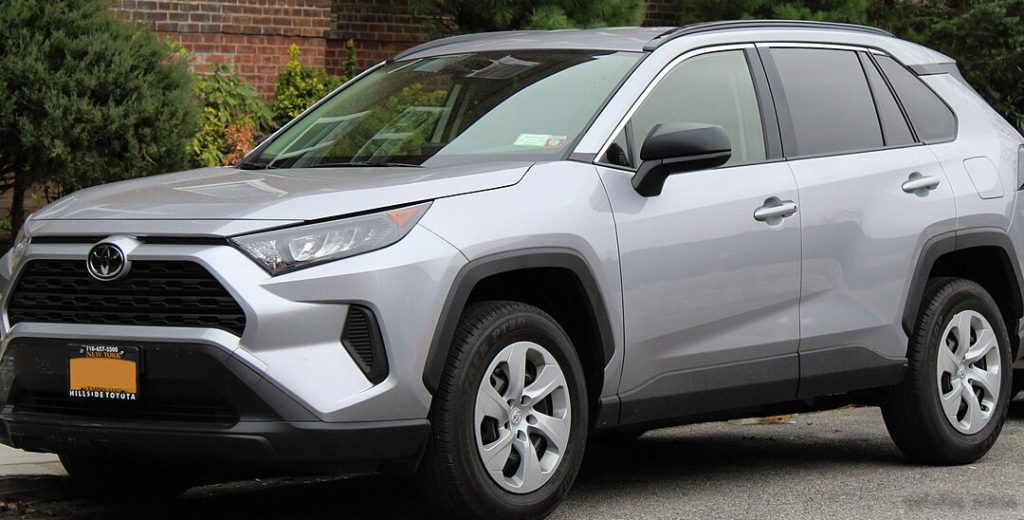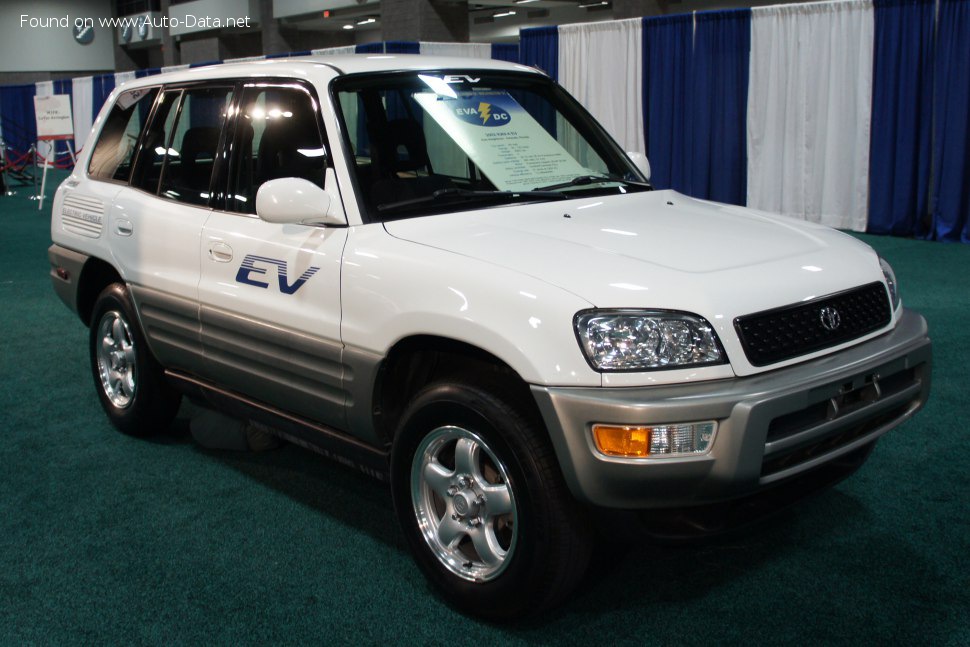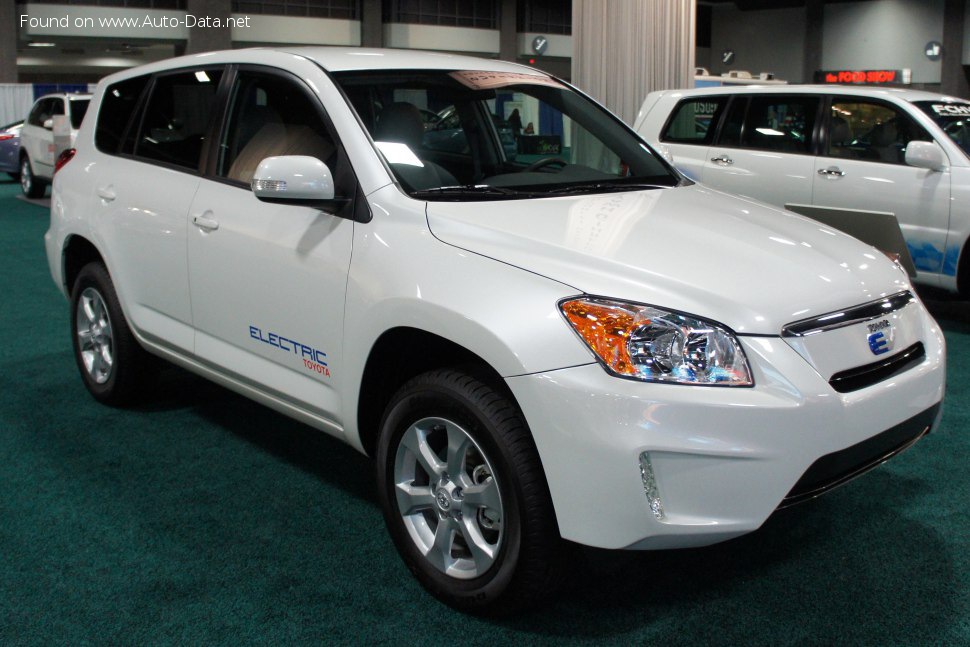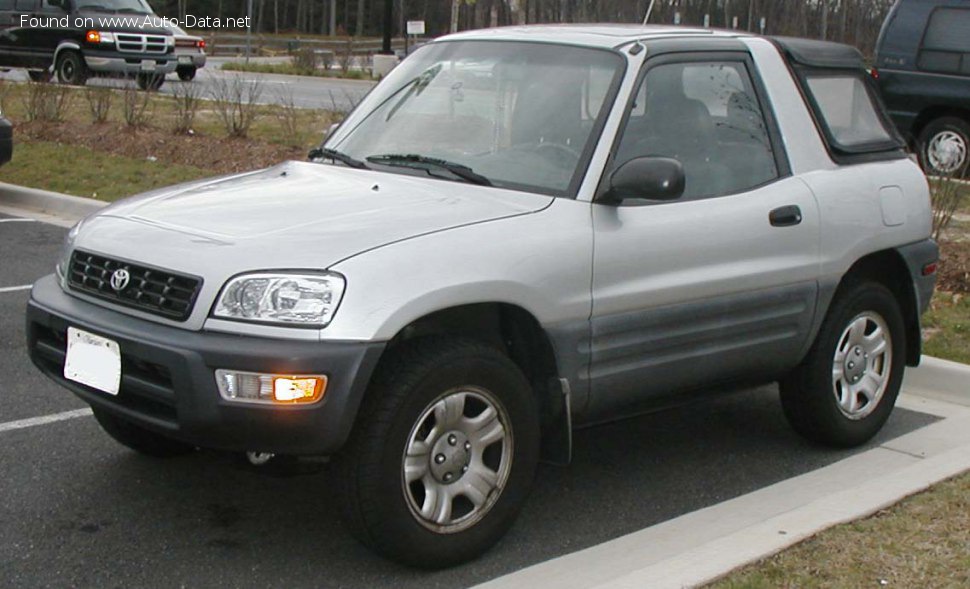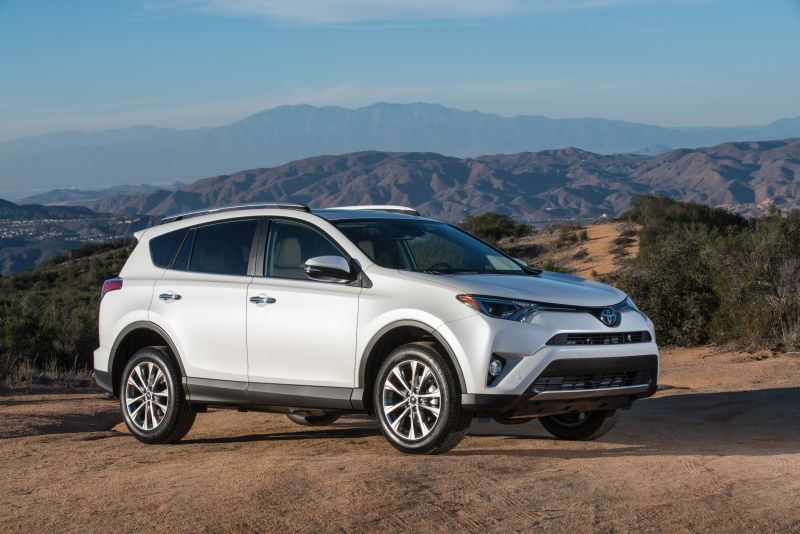
The Toyota RAV4 IV (facelift 2015) 2.5 (176 Hp) AWD Automatic represents a significant evolution in the compact crossover SUV segment, a category that Toyota itself pioneered. Introduced for the 2016 model year and produced through 2018, this iteration of the fourth-generation RAV4 received a substantial refresh, aiming to keep it competitive in a fiercely contested market. The RAV4, an acronym for “Recreational Activity Vehicle: 4-wheel drive,” has consistently been a top seller, particularly in the North American market, thanks to its blend of practicality, reliability, and fuel efficiency. This facelifted model brought updated styling, enhanced interior materials, and new technology features, solidifying its position as a go-to choice for families and individuals seeking a versatile daily driver.
The fourth-generation RAV4 (XA40), initially launched in late 2012 for the 2013 model year, marked a departure from its more rugged, SUV-like predecessors, embracing a sleeker, more car-like aesthetic and driving dynamic. The 2015 facelift, which debuted for the 2016 model year, refined this approach further. It introduced a more aggressive front fascia, updated taillights, and a generally more sophisticated appearance. Under the hood, the 2.5-liter engine paired with an All-Wheel Drive (AWD) system and a smooth automatic transmission continued to be a popular powertrain choice, offering a balanced combination of power for highway cruising and traction for diverse weather conditions. This particular variant, the 2.5 (176 Hp) AWD Automatic, was a core offering, embodying the RAV4’s commitment to delivering dependable performance and utility.
Engine & Performance of the Toyota RAV4 IV (facelift 2015)
At the heart of the Toyota RAV4 IV (facelift 2015) 2.5 (176 Hp) AWD Automatic lies Toyota’s well-regarded 2AR-FE engine. This naturally aspirated, inline four-cylinder gasoline (petrol) engine boasts a displacement of 2494 cm3, or approximately 2.5 liters (152.19 cu. in.). Engineered for a blend of efficiency and robust performance, it delivers a respectable 176 horsepower at 6000 rpm, translating to a power-per-liter output of 70.6 Hp/l. Torque figures stand at 233 Nm (171.85 lb.-ft.) available at 4100 rpm, providing ample pulling power for daily driving and light hauling.
The engine’s architecture features a front, transverse layout, optimizing space within the engine bay and contributing to the vehicle’s favorable weight distribution. With a compression ratio of 10.4:1 and a DOHC (Dual Overhead Camshaft) valvetrain incorporating VVT-i (Variable Valve Timing with intelligence), the 2AR-FE is designed for efficient combustion and broad torque delivery across the RPM range. Fuel is delivered via a multi-port manifold injection system, a proven technology for reliability and smooth operation.
Power is channeled to all four wheels through a 6-speed automatic transmission, ensuring seamless gear changes and contributing to the RAV4’s smooth driving characteristics. The All-Wheel Drive (AWD) system enhances traction and stability, particularly beneficial in adverse weather conditions or on unpaved roads, making it a highly capable crossover. In terms of fuel economy, the 2.5-liter AWD model achieved competitive figures for its class: an estimated 22 US mpg in urban driving, 28 US mpg on the highway, and a combined rating of 24-25 US mpg. These figures underscore Toyota’s focus on practical efficiency without sacrificing the utility expected of an SUV. The weight-to-power ratio for this variant is 9.2 kg/Hp (108.7 Hp/tonne), indicating a well-balanced power output relative to its curb weight, which ranges from 3569.28 to 3631.01 lbs.
Design & Features
The Toyota RAV4 IV (facelift 2015) maintains its identity as a compact SUV, characterized by its five-door, five-seat configuration, prioritizing practicality and passenger comfort. The facelift brought a more sculpted and sophisticated aesthetic. The front end received the most significant update, featuring a more aggressive grille, redesigned headlights with available LED lighting, and a reshaped bumper that gave the RAV4 a bolder, more contemporary face. At the rear, new taillight designs and a revised bumper also contributed to a more modern appearance.
Dimensionally, the RAV4 measures 183.5 inches in length, 72.6 inches in width, and between 67.09 and 67.52 inches in height, with a wheelbase of 104.69 inches. These dimensions provide a spacious interior, offering comfortable seating for five adults and generous cargo capacity. The minimum trunk space is an impressive 38.39 cubic feet, expanding to a cavernous 73.38 cubic feet with the rear seats folded down, making it highly versatile for hauling luggage, groceries, or sports equipment.
Underneath, the RAV4 employs an independent McPherson strut front suspension with coil springs and an anti-roll bar, paired with a double wishbone rear suspension. This setup is designed to provide a comfortable ride quality while maintaining responsive handling. Braking is handled by ventilated discs at the front and solid discs at the rear, supported by an Anti-lock Braking System (ABS) for enhanced safety. The vehicle features electric power steering with a rack and pinion system, offering light effort at low speeds for easy maneuvering and a more controlled feel at higher speeds. Standard tire sizes range from 225/65 R17 to 235/55 R18, mounted on 17-inch or 18-inch wheel rims, respectively, contributing to both aesthetics and handling performance. With a ground clearance of 6.1 inches, the RAV4 is capable of handling light off-road excursions and varying road conditions with confidence.
Technical Specifications
| Category | Specification |
| Brand | Toyota |
| Model | RAV4 |
| Generation | RAV4 IV (facelift 2015) |
| Type (Engine) | 2.5 (176 Hp) AWD Automatic |
| Production Start | 2016 year |
| Production End | 2018 year |
| Powertrain Architecture | Internal Combustion engine |
| Body Type | SUV |
| Seats | 5 |
| Doors | 5 |
| Fuel Type | Petrol (Gasoline) |
| Fuel Consumption (Urban) | 10.7 l/100 km (22 US mpg) |
| Fuel Consumption (Extra Urban) | 8.4 l/100 km (28 US mpg) |
| Fuel Consumption (Combined) | 9.4-9.8 l/100 km (24-25 US mpg) |
| Power | 176 Hp @ 6000 rpm |
| Power per Liter | 70.6 Hp/l |
| Torque | 233 Nm (171.85 lb.-ft.) @ 4100 rpm |
| Engine Layout | Front, Transverse |
| Engine Model/Code | 2AR-FE |
| Engine Displacement | 2494 cm3 (2.5 l / 152.19 cu. in.) |
| Number of Cylinders | 4 |
| Engine Configuration | Inline |
| Cylinder Bore | 89.9 mm (3.54 in.) |
| Piston Stroke | 98 mm (3.86 in.) |
| Compression Ratio | 10.4:1 |
| Valves per Cylinder | 4 |
| Fuel Injection System | Multi-port manifold injection |
| Engine Aspiration | Naturally aspirated engine |
| Valvetrain | DOHC, VVT-i |
| Engine Oil Capacity | 4.4 l (4.65 US qt) |
| Coolant Capacity | 6.8 l (7.19 US qt) |
| Kerb Weight | 1619-1647 kg (3569.28 – 3631.01 lbs.) |
| Max. Weight | 2105 kg (4640.73 lbs.) |
| Max Load | 458-486 kg (1009.72 – 1071.45 lbs.) |
| Trunk Space (Minimum) | 1087 l (38.39 cu. ft.) |
| Trunk Space (Maximum) | 2078 l (73.38 cu. ft.) |
| Fuel Tank Capacity | 60 l (15.85 US gal) |
| Permitted Trailer Load (with brakes, 12%) | 680 kg (1499.14 lbs.) |
| Length | 4661 mm (183.5 in.) |
| Width | 1844 mm (72.6 in.) |
| Height | 1704-1715 mm (67.09 – 67.52 in.) |
| Wheelbase | 2659 mm (104.69 in.) |
| Front Track | 1560-1570 mm (61.42 – 61.81 in.) |
| Rear Track | 1560-1570 mm (61.42 – 61.81 in.) |
| Ride Height (Ground Clearance) | 155 mm (6.1 in.) |
| Minimum Turning Circle | 10.6-11.2 m (34.78 – 36.75 ft.) |
| Approach Angle | 28° |
| Departure Angle | 20-21° |
| Drive Wheel | All wheel drive (4×4) |
| Number of Gears/Gearbox Type | 6 gears, automatic transmission |
| Front Suspension | Independent, McPherson with coil spring and anti-roll bar |
| Rear Suspension | Double wishbone |
| Front Brakes | Ventilated discs |
| Rear Brakes | Disc |
| Assisting Systems | ABS (Anti-lock braking system) |
| Steering Type | Steering rack and pinion |
| Power Steering | Electric Steering |
| Tire Size | 225/65 R17; 235/55 R18 |
| Wheel Rims Size | 6.5J x 17; 7.5J x 18 |
Legacy and Market Impact of the Toyota RAV4
The Toyota RAV4’s legacy is immense, particularly in the North American market where it has consistently been one of the best-selling vehicles, often leading the compact SUV segment. The fourth-generation, and specifically the Toyota RAV4 IV (facelift 2015) 2.5 (176 Hp) AWD Automatic variant, played a crucial role in maintaining this dominance during its production run from 2016 to 2018. It continued to build upon the RAV4’s reputation for unparalleled reliability, strong resale value, and practical versatility, attributes that resonate deeply with American consumers.
In a market flooded with increasingly sophisticated crossovers, the RAV4 faced stiff competition from rivals such as the Honda CR-V, Nissan Rogue, Ford Escape, Mazda CX-5, and Subaru Forester. What allowed the RAV4 to stand out was its consistent delivery on core promises: a comfortable and quiet ride, a spacious and user-friendly interior, and the peace of mind that comes with Toyota’s engineering. The 2015 facelift ensured that the RAV4 remained visually fresh and technologically relevant, incorporating features like improved infotainment systems and advanced safety technologies (though specific safety features beyond ABS are not detailed in the provided data, Toyota generally equips its models well in this regard).
The 2.5-liter engine, while not the most powerful in its class, proved to be a workhorse, offering a dependable balance of everyday performance and commendable fuel efficiency for an AWD SUV. The 6-speed automatic transmission was also praised for its smooth operation, contributing to a refined driving experience. The RAV4’s ability to offer ample cargo space, coupled with its all-weather capability thanks to the AWD system, made it an ideal choice for a wide demographic, from urban commuters to suburban families.
The impact of this generation of RAV4 is evident in its sales figures and its enduring presence on American roads. It cemented the RAV4’s position as a benchmark in the compact SUV category, influencing subsequent designs and feature sets across the industry. Furthermore, the success of this and previous RAV4 generations laid the groundwork for the introduction of hybrid powertrains in later models, demonstrating Toyota’s foresight in adapting to evolving consumer demands for efficiency and environmental responsibility. The 2016-2018 RAV4 remains a highly sought-after used vehicle, a testament to its robust construction and lasting appeal. Its role in popularizing the compact SUV and setting standards for reliability and practicality is undeniable, making it a pivotal model in modern automotive history.