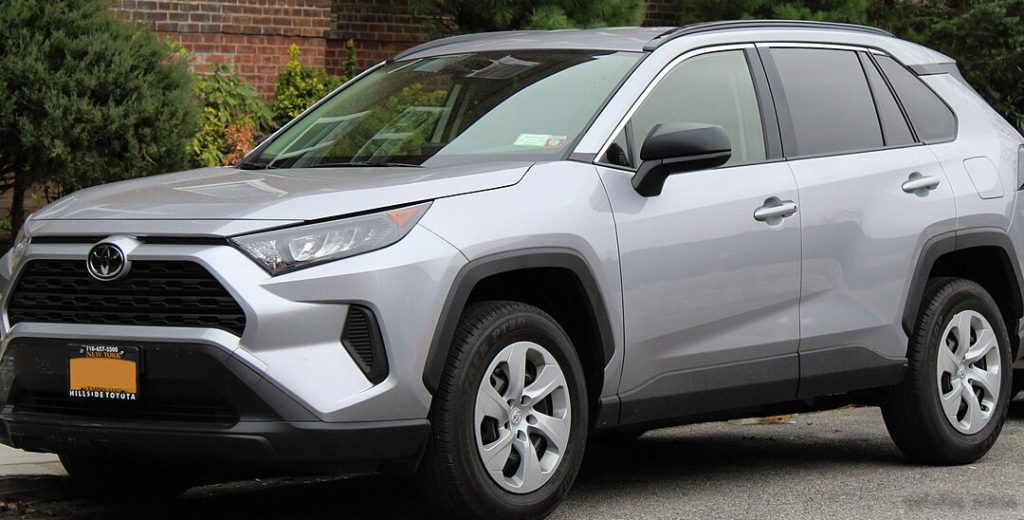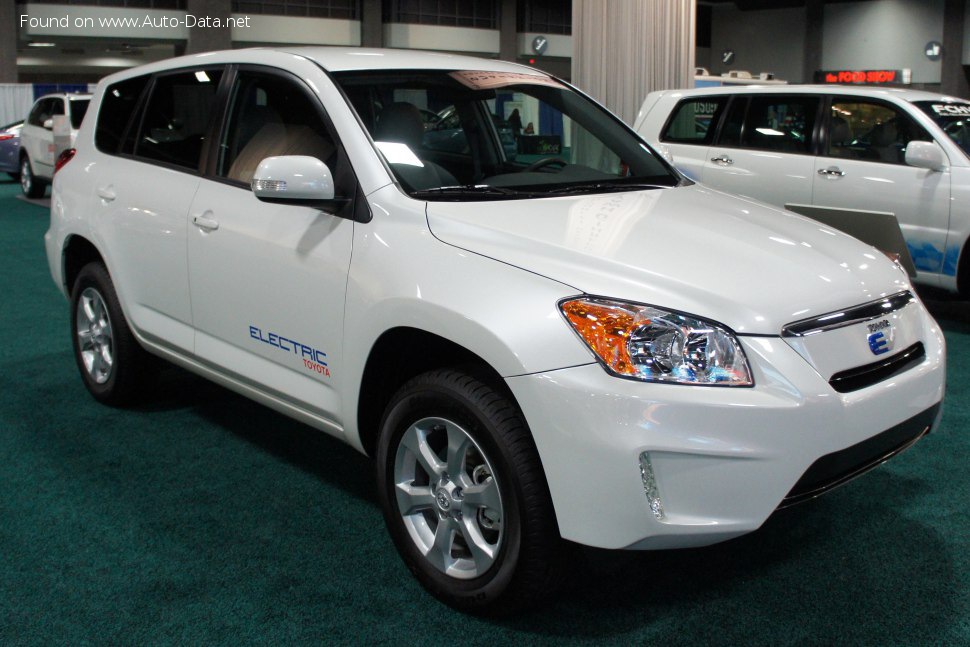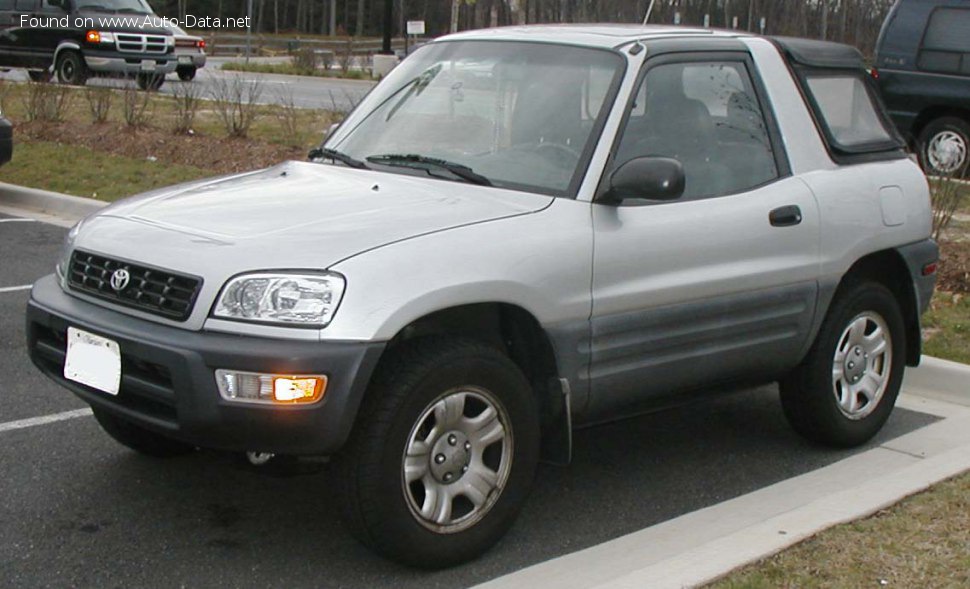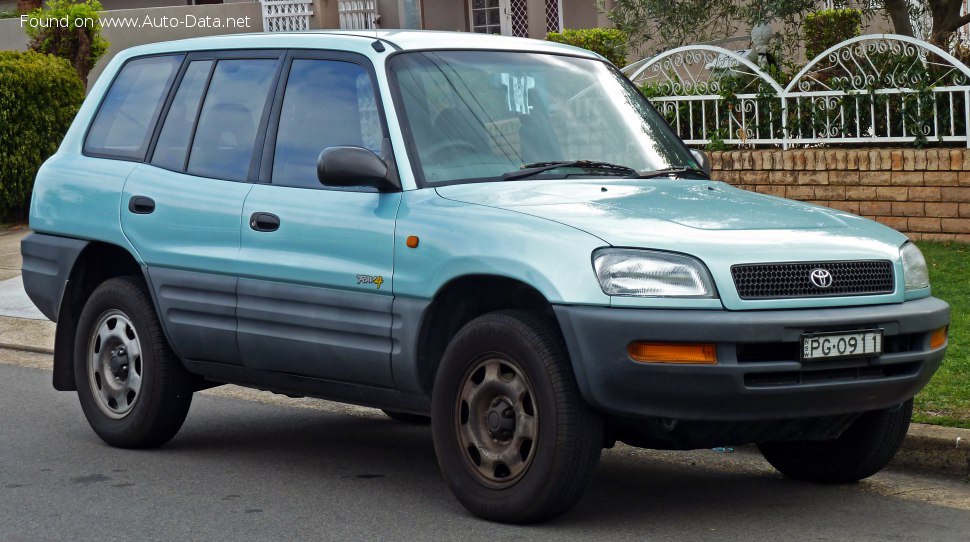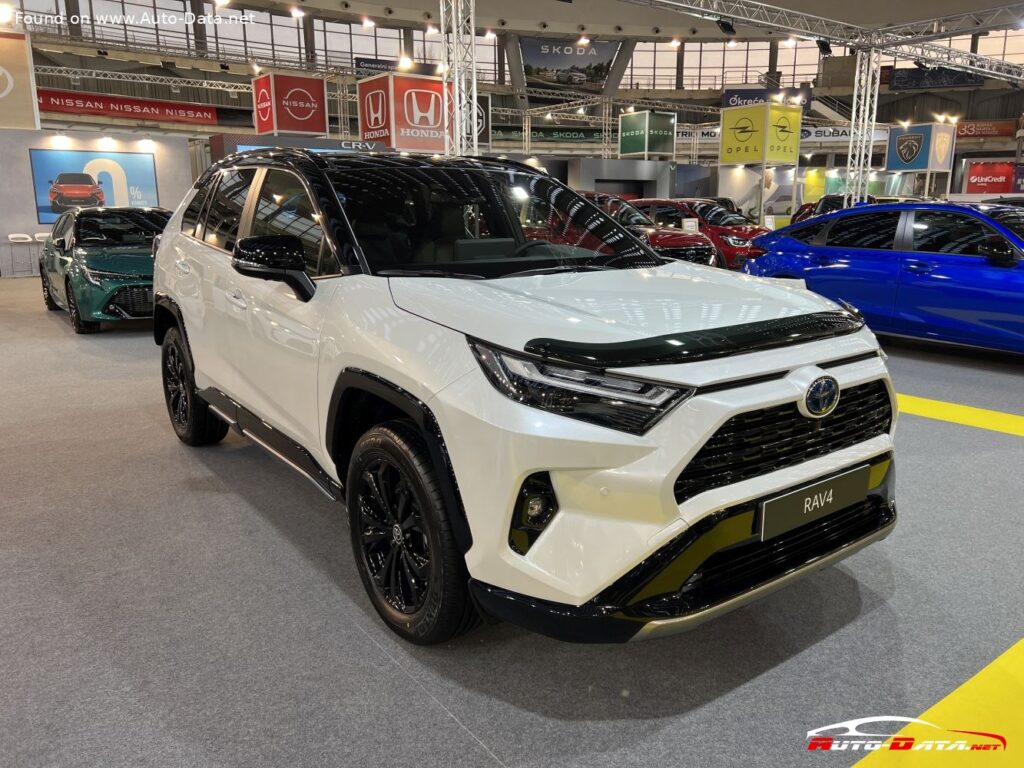
The Toyota RAV4 V (facelift 2021) 2.5 Plug-in Hybrid AWD-i eCVT represents a significant evolution in Toyota’s compact SUV lineup. Introduced in September 2021, this model is primarily marketed in Europe and other regions outside of North America, where the standard RAV4 Hybrid is more prevalent. The RAV4 V facelift builds upon the already successful fourth generation (XA40) RAV4, offering a plug-in hybrid powertrain for increased efficiency and electric-only driving capability. It competes with other PHEV SUVs like the Mitsubishi Outlander PHEV and the Volvo XC60 Recharge, aiming to provide a balance of practicality, fuel economy, and all-wheel-drive capability.
Toyota RAV4 V: A Detailed Overview
The RAV4, which stands for Recreational Active Vehicle with 4-wheel drive, has been a cornerstone of Toyota’s global strategy since its introduction in 1994. The fourth-generation model, launched in 2018, brought a more rugged and contemporary design, along with improved interior space and technology. The 2021 facelift, and specifically the introduction of the plug-in hybrid variant, further enhances the RAV4’s appeal to environmentally conscious consumers. The “V” designation in RAV4 V typically denotes a higher trim level with additional features and refinements.
Engine & Performance
The heart of the RAV4 V is its 2.5-liter, inline-four cylinder A25A-FXS engine, producing 185 horsepower. This engine is coupled with a sophisticated plug-in hybrid system. The powertrain utilizes two electric motors – one positioned between the combustion engine and the transmission, delivering 182 horsepower and 270 Nm (199.14 lb.-ft.) of torque, and a second, 54 horsepower electric motor driving the rear axle. This configuration results in a combined system output of 306 horsepower. Power is delivered to all four wheels via an electronically controlled continuously variable transmission (eCVT) and Toyota’s AWD-i system. This allows for both full electric operation, utilizing the 18.1 kWh lithium-ion battery, and a blended hybrid mode for extended range and performance. Acceleration from 0 to 100 km/h (0-62 mph) is achieved in 6.0 seconds, and 0-60 mph in 5.7 seconds, making it one of the quicker options in its class. The vehicle boasts a combined fuel consumption of 1.0 l/100 km (235.2 US mpg) under WLTP testing, with CO2 emissions of just 22 g/km.
Design & Features
The RAV4 V maintains the bold and angular styling of the fourth-generation RAV4, with the facelift incorporating subtle updates to the front fascia, headlights, and rear taillights. It’s a five-door SUV with seating for five passengers. The plug-in hybrid model doesn’t significantly deviate from the standard RAV4’s exterior design, but often includes unique badging and trim elements to denote its electrified powertrain. Inside, the RAV4 V offers a spacious and well-appointed cabin. Key features include a touchscreen infotainment system, smartphone integration (Apple CarPlay and Android Auto), a suite of advanced driver-assistance systems (ADAS) such as adaptive cruise control, lane departure alert, and automatic emergency braking, and comfortable seating. The battery pack is strategically located under the floor, minimizing intrusion into passenger and cargo space. Trunk space ranges from 490 liters (17.3 cu. ft.) with the rear seats up to 1604 liters (56.64 cu. ft.) with the seats folded down. The vehicle’s ride height provides adequate ground clearance for light off-road use.
Technical Specifications
| Brand | Toyota |
| Model | RAV4 |
| Generation | RAV4 V (facelift 2021) |
| Type (Engine) | 2.5 (306 Hp) Plug-in Hybrid AWD-i eCVT |
| Start of production | September, 2021 |
| Powertrain Architecture | PHEV (Plug-in Hybrid Electric Vehicle) |
| Body type | SUV |
| Seats | 5 |
| Doors | 5 |
| Combined fuel consumption (WLTP) | 1.0 l/100 km |
| CO2 emissions (WLTP) | 22 g/km |
| Fuel Type | Petrol / electricity |
| Acceleration 0 – 100 km/h | 6.0 sec |
| Acceleration 0 – 62 mph | 6.0 sec |
| Acceleration 0 – 60 mph | 5.7 sec |
| Maximum speed | 180 km/h (111.85 mph) |
| Emission standard | Euro 6d-ISC-FCM |
| Weight-to-power ratio | 6 kg/Hp |
| Weight-to-torque ratio | 8.1 kg/Nm |
| Gross battery capacity | 18.1 kWh |
| Battery voltage | 355 V |
| Battery technology | Lithium-ion (Li-Ion) |
| Battery location | Below the floor |
| All-electric range (WLTP) | 75 km (46.6 mi) |
| Average Energy consumption (WLTP) | 16.6 kWh/100 km |
| Electric motor 1 Power | 182 Hp |
| Electric motor 1 Torque | 270 Nm (199.14 lb.-ft.) |
| Electric motor 2 Power | 54 Hp |
| Electric motor 2 Torque | 121 Nm (89.25 lb.-ft.) |
| System power | 306 Hp |
| Internal combustion engine Power | 185 Hp |
| Internal combustion engine Torque | 227 Nm @ 3200-3700 rpm (167.43 lb.-ft. @ 3200-3700 rpm) |
| Engine displacement | 2487 cm3 (151.77 cu. in.) |
| Kerb Weight | 1835-1925 kg (4045.48 – 4243.9 lbs.) |
| Max. weight | 2510 kg (5533.6 lbs.) |
| Fuel tank capacity | 55 l (14.53 US gal | 12.1 UK gal) |
| Length | 4600 mm (181.1 in.) |
| Width | 1855 mm (73.03 in.) |
| Height | 1685 mm (66.34 in.) |
| Wheelbase | 2690 mm (105.91 in.) |
The Toyota RAV4 V (facelift 2021) 2.5 Plug-in Hybrid AWD-i eCVT represents a compelling option for buyers seeking a practical, efficient, and technologically advanced compact SUV. Its combination of a capable powertrain, spacious interior, and comprehensive safety features makes it a strong contender in the increasingly competitive PHEV segment.