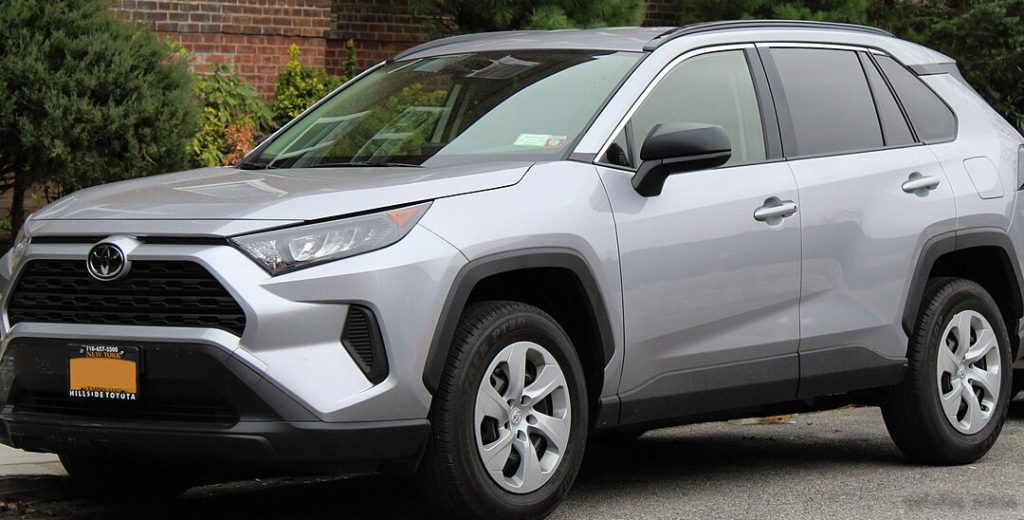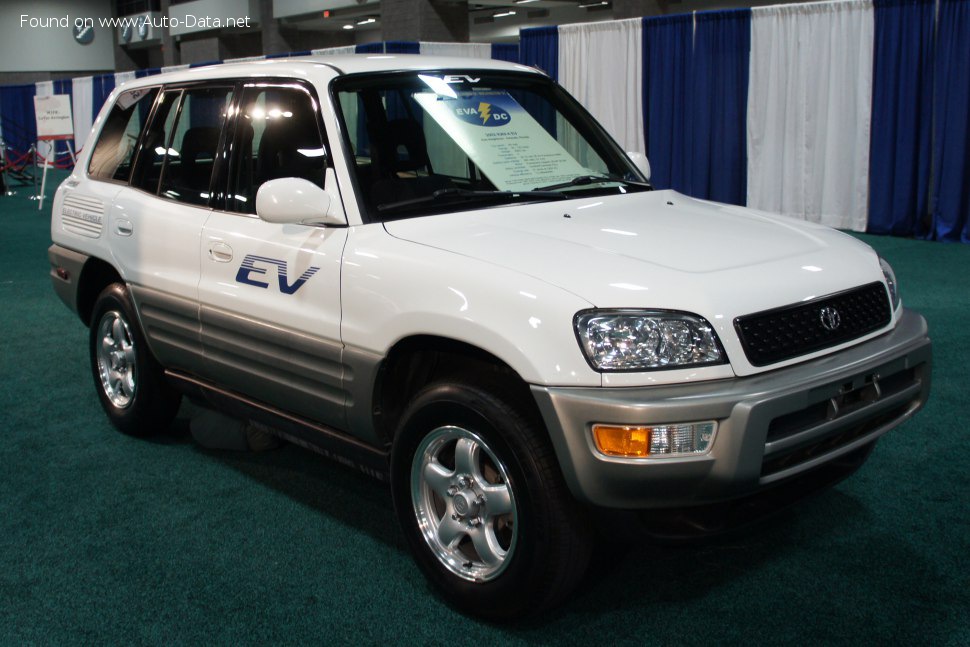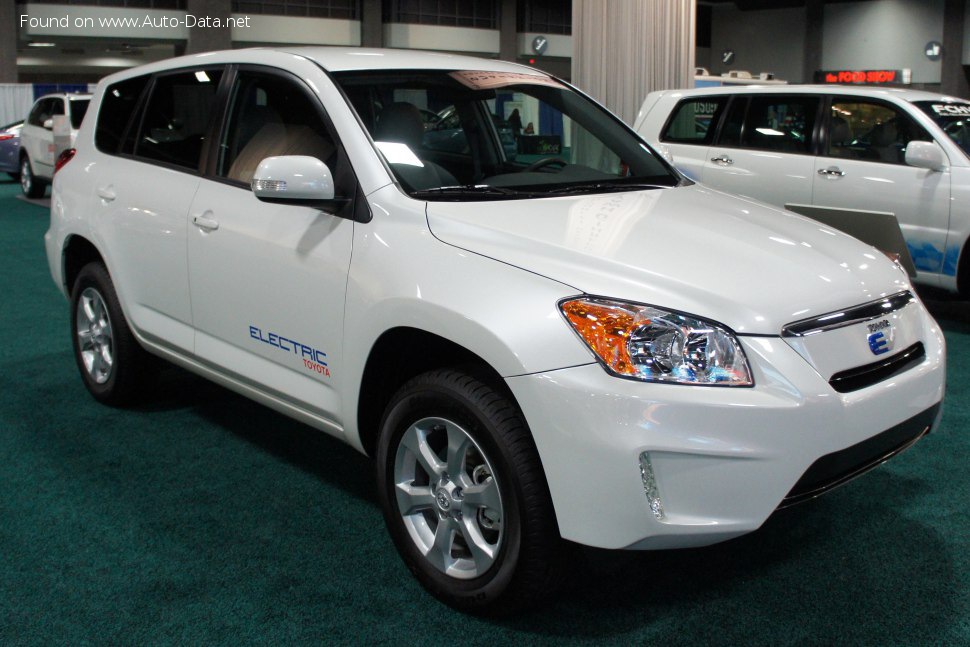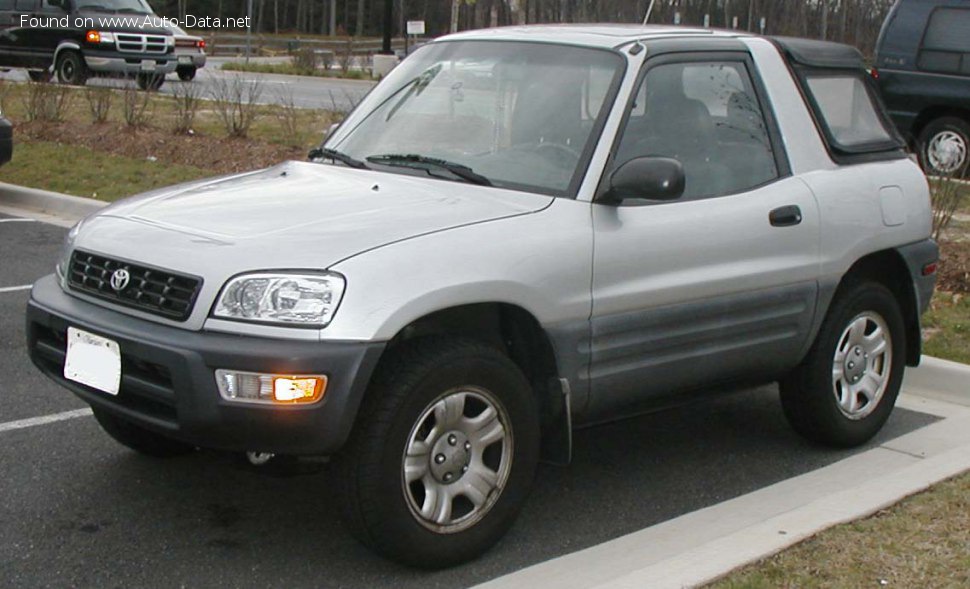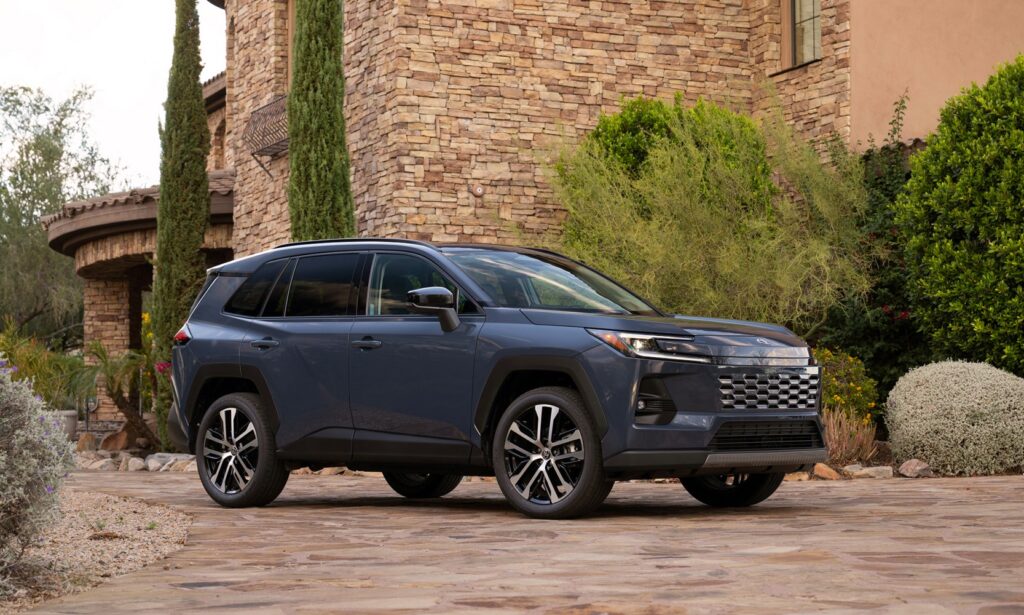
The Toyota RAV4 VI, specifically the 2.5 (226 Hp) Hybrid ECVT variant, represents the sixth generation of Toyota’s immensely successful compact SUV. Scheduled for release in October 2025, this model continues Toyota’s tradition of blending practicality, efficiency, and robust performance within the highly competitive sport utility vehicle market. As a Full Hybrid Electric Vehicle (FHEV), the RAV4 VI is engineered to deliver exceptional fuel economy and reduced emissions while maintaining the versatility and spaciousness that have made the RAV4 a popular choice for consumers globally.
The Evolution of the Toyota RAV4 VI 2.5 (226 Hp) Hybrid ECVT
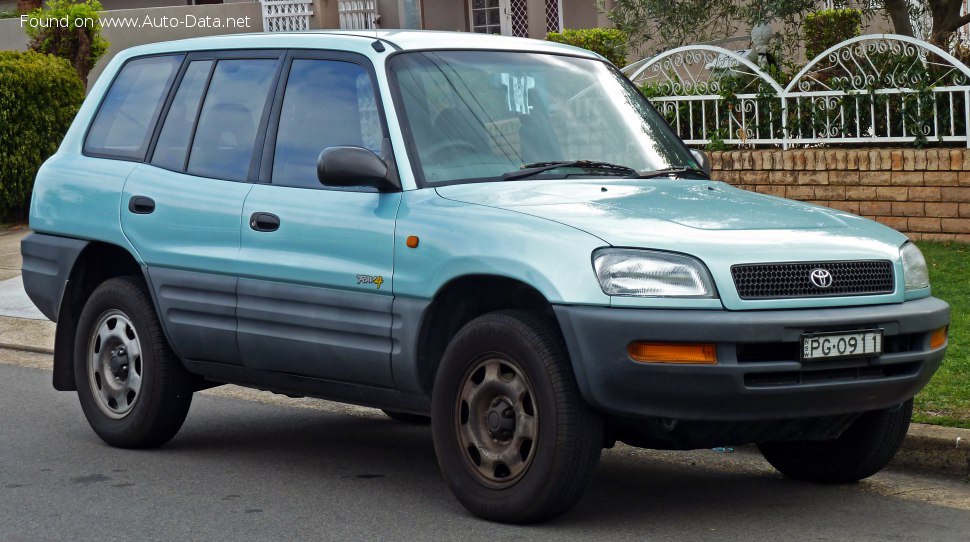
The RAV4, an acronym for “Recreational Activity Vehicle: 4-wheel drive,” was a pioneer in the compact SUV segment when it debuted in the mid-1990s. Over the decades, it has evolved from a niche, car-like SUV into a mainstream vehicle, continually adapting to changing consumer demands for space, technology, and efficiency. The sixth generation, launching in 2025, builds upon this heritage, integrating the latest advancements in hybrid powertrain technology and vehicle architecture. This specific 2.5 (226 Hp) Hybrid ECVT model exemplifies Toyota’s commitment to delivering a powerful yet economical driving experience, catering to the modern driver’s desire for sustainability without compromising capability. Its design and engineering choices reflect a mature understanding of the segment, aiming to set new benchmarks for efficiency and occupant comfort.
Engine & Performance
The 2025 Toyota RAV4 VI 2.5 (226 Hp) Hybrid ECVT is powered by a sophisticated Full Hybrid Electric Vehicle (FHEV) powertrain, engineered for an optimal balance between power and fuel efficiency. The internal combustion engine (ICE) is Toyota’s Dynamic Force / A25A-FXS, a 2.5-liter, naturally aspirated inline-four cylinder engine. This powerplant features a highly advanced valvetrain system, incorporating Double Overhead Camshafts (DOHC) with Variable Valve Timing-intelligent Electric (VVT-iE) on the intake side and Variable Valve Timing-intelligent (VVT-i) on the exhaust side. This system, combined with a high 14:1 compression ratio and a sophisticated fuel injection system utilizing both direct and multi-port injection, produces 183 horsepower at 6000 rpm and 163 lb.-ft. of torque between 3600-5200 rpm.
A potent electric motor, seamlessly integrated into the transmission, complements the gasoline engine. This synchronous electric motor delivers an additional 134 horsepower and 152.68 lb.-ft. of torque, providing instant acceleration and electric-only driving capabilities at lower speeds. The combined output of the ICE and electric motor results in a total system power of 226 horsepower. Power is efficiently managed through an Electronically Controlled Continuously Variable Transmission (ECVT), ensuring smooth and responsive power delivery to the front wheels in this front-wheel-drive configuration. The FHEV system seamlessly switches between electric, gasoline, or combined power modes, optimizing performance and fuel consumption.
The hybrid system is supported by a compact Lithium-ion battery with a gross capacity of 1 kWh and a voltage of 247.5 V. This battery is continuously recharged through regenerative braking and the gasoline engine, eliminating the need for external charging. The vehicle achieves an EPA-estimated combined fuel economy of 44.4 US mpg (5.3 l/100 km), with 48 US mpg (4.9 l/100 km) in urban driving and 42 US mpg (5.6 l/100 km) in extra-urban conditions. Furthermore, the RAV4 VI 2.5 Hybrid ECVT meets the stringent SULEV (Super Ultra-Low Emission Vehicle) emission standard. With a weight-to-power ratio of 7.3 kg/Hp (136.9 Hp/tonne) and a weight-to-torque ratio of 7.5 kg/Nm (133.9 Nm/tonne), the vehicle promises a spirited yet composed driving experience.
Design & Features
The Toyota RAV4 VI maintains its popular SUV body style, with five doors and seating for five passengers, emphasizing practicality and versatility. The exterior design is an evolution of the current generation’s rugged yet refined aesthetic, featuring modern lines and a confident stance. Its dimensions – 180.98 inches in length, 72.99 inches in width, and 66.69 inches in height – are well-suited for both urban maneuverability and highway stability. A 105.91-inch wheelbase contributes to a comfortable ride and spacious cabin, while 8.11 inches of ground clearance allows for confident navigation over various terrains. The 36.75-foot turning circle enhances agility in tight spaces.
Inside, the RAV4 VI is designed to maximize utility and comfort. The cargo area offers a minimum of 37.79 cubic feet (1070 liters) with the rear seats up, expanding to 70.42 cubic feet (1994 liters) with the rear seats folded down. The vehicle’s kerb weight is 3639.83 lbs (1651 kg), with a maximum permissible weight of 4920.72 lbs (2232 kg), allowing for a maximum load of 1280.89 lbs (581 kg). A 14.53 US gallon (55 liters) fuel tank provides a significant driving range, especially considering the hybrid’s excellent fuel economy. The vehicle is equipped with a Start & Stop System to further enhance fuel efficiency.
The RAV4 VI features a robust suspension system designed for both comfort and handling. The front utilizes an independent McPherson strut setup with coil springs and an anti-roll bar, while the rear features an independent multi-link spring suspension with a stabilizer. This combination ensures a smooth ride and confident cornering. Braking performance is handled by ventilated 305 mm front discs and solid 282 mm rear discs, complemented by an Anti-lock Braking System (ABS) for enhanced safety. The steering system is a precise rack and pinion type, augmented by electric power steering. Standard tire sizes include 235/65 R17 or 235/60 R18, mounted on 7.5J x 17 or 7.5J x 18 wheel rims, providing a balance of grip and ride comfort.
Technical Specifications: Toyota RAV4 VI 2.5 (226 Hp) Hybrid ECVT
| Category | Specification |
| Brand | Toyota |
| Model | RAV4 |
| Generation | RAV4 VI |
| Type (Engine) | 2.5 (226 Hp) Hybrid ECVT |
| Start of production | October, 2025 |
| Powertrain Architecture | FHEV (Full Hybrid Electric Vehicle) |
| Body type | SUV |
| Seats | 5 |
| Doors | 5 |
| Fuel consumption (economy) – urban (EPA) | 48 US mpg (4.9 l/100 km) |
| Fuel consumption (economy) – extra urban (EPA) | 42 US mpg (5.6 l/100 km) |
| Fuel consumption (economy) – combined (EPA) | 44.4 US mpg (5.3 l/100 km) |
| Fuel Type | Petrol (Gasoline) |
| Emission standard | SULEV |
| Weight-to-power ratio | 7.3 kg/Hp (136.9 Hp/tonne) |
| Weight-to-torque ratio | 7.5 kg/Nm (133.9 Nm/tonne) |
| Gross battery capacity | 1 kWh |
| Battery voltage | 247.5 V |
| Battery technology | Lithium-ion (Li-Ion) |
| Electric motor power | 134 Hp |
| Electric motor Torque | 152.68 lb.-ft. (207 Nm) |
| System power | 226 Hp |
| Power | 183 Hp @ 6000 rpm |
| Torque | 163 lb.-ft. (221 Nm) @ 3600-5200 rpm |
| Engine displacement | 151.77 cu. in. (2487 cm3) |
| Kerb Weight | 3639.83 lbs. (1651 kg) |
| Max. weight | 4920.72 lbs. (2232 kg) |
| Max load | 1280.89 lbs. (581 kg) |
| Trunk (boot) space – minimum | 37.79 cu. ft. (1070 l) |
| Trunk (boot) space – maximum | 70.42 cu. ft. (1994 l) |
| Fuel tank capacity | 14.53 US gal (55 l) |
| Length | 180.98 in. (4597 mm) |
| Width | 72.99 in. (1854 mm) |
| Height | 66.69 in. (1694 mm) |