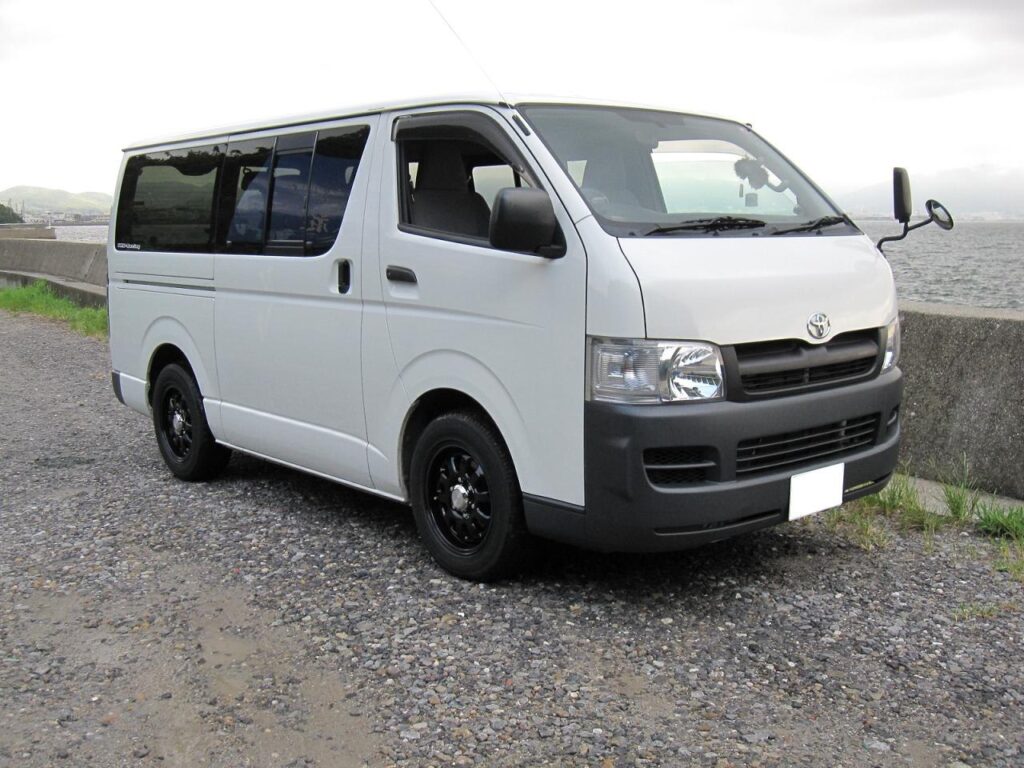
The Toyota Regius, specifically the 3.0 D variant produced between 1999 and 2002, represents a unique offering within Toyota’s extensive lineup. While not officially sold in the United States, the Regius was a popular choice in Asian markets, particularly Japan, as a spacious and practical people carrier. Positioned as a competitor to other large-capacity vans and minivans, the Regius catered to families and businesses requiring substantial passenger and cargo space. This generation of the Regius focused on providing a comfortable and reliable transportation solution, leveraging Toyota’s reputation for durability and engineering excellence. The 3.0 D model, powered by a turbocharged diesel engine, prioritized fuel efficiency and torque for hauling capacity, making it a versatile vehicle for diverse needs.
Toyota Regius 3.0 D: A Detailed Overview
The Toyota Regius, in its various iterations, served as a crucial component of Toyota’s commercial and family vehicle offerings in markets where larger vans and minivans were in high demand. The 1999-2002 generation, and specifically the 3.0 D model, built upon previous designs, incorporating refinements in engine technology, comfort features, and overall practicality. It was designed to appeal to customers who needed a vehicle capable of transporting numerous passengers or significant amounts of cargo, often combining both requirements. The Regius distinguished itself through its robust construction, reliable diesel powertrain, and spacious interior, making it a favored choice for both private and commercial applications.
Engine & Performance
The heart of the Toyota Regius 3.0 D is its 1KZ-TE 3.0-liter inline-four cylinder diesel engine. This engine produces 140 horsepower at 3600 rpm and a substantial 343 Nm (252.98 lb.-ft.) of torque at 2000 rpm. The turbocharger and intercooler significantly enhance the engine’s performance, providing increased power and improved fuel efficiency. The engine’s longitudinal front-engine layout contributes to a balanced weight distribution. The 21:1 compression ratio is typical for a diesel engine of this era, optimizing combustion efficiency. The engine utilizes a precombustion chamber injection system, a common technology in diesel engines of the late 1990s and early 2000s, designed to improve combustion and reduce emissions. With a maximum engine speed of 4400 rpm, the 1KZ-TE prioritizes torque delivery over high-revving performance, making it well-suited for hauling and towing. The engine’s power-to-litre ratio is 46.9 Hp/l, a respectable figure for a naturally aspirated diesel engine of its time.
Design & Features
The Toyota Regius 3.0 D is a four-door minivan designed to accommodate up to eight passengers. Its body style prioritizes interior space and practicality. The vehicle’s dimensions – 4750 mm (187.01 in.) in length, 1695 mm (66.73 in.) in width, and 1960 mm (77.17 in.) in height – reflect its large-capacity design. The wheelbase of 2985 mm (117.52 in.) contributes to a comfortable ride and ample legroom for passengers. The front and rear tracks measure 1455 mm (57.28 in.) and 1435 mm (56.5 in.) respectively, providing stability and handling. The Regius features ventilated disc brakes on the front wheels and disc brakes on the rear, offering reliable stopping power. It rides on 205/70 R15 tires. While specific features varied depending on trim level and market, the Regius generally offered a functional and comfortable interior. Safety features, while not as advanced as those found in modern vehicles, included seatbelts for all passengers and a robust body structure designed to provide occupant protection. The focus was on providing a durable and reliable vehicle capable of meeting the demands of daily use.
Technical Specifications
| Brand | Toyota |
| Model | Regius |
| Generation | Regius |
| Type (Engine) | 3.0 D (140 Hp) |
| Start of production | 1999 year |
| End of production | 2002 year |
| Powertrain Architecture | Internal Combustion engine |
| Body type | Minivan |
| Seats | 8 |
| Doors | 4 |
| Fuel Type | Diesel |
| Power | 140 Hp @ 3600 rpm |
| Power per litre | 46.9 Hp/l |
| Torque | 343 Nm @ 2000 rpm / 252.98 lb.-ft. @ 2000 rpm |
| Maximum engine speed | 4400 rpm |
| Engine layout | Front, Longitudinal |
| Engine Model/Code | 1KZ-TE |
| Engine displacement | 2982 cm3 / 181.97 cu. in. |
| Number of cylinders | 4 |
| Engine configuration | Inline |
| Cylinder Bore | 96 mm / 3.78 in. |
| Piston Stroke | 103 mm / 4.06 in. |
| Compression ratio | 21:1 |
| Number of valves per cylinder | 2 |
| Fuel injection system | Precombustion chamber injection |
| Engine aspiration | Turbocharger, Intercooler |
| Valvetrain | SOHC |
| Fuel tank capacity | 65 l / 17.17 US gal | 14.3 UK gal |
| Length | 4750 mm / 187.01 in. |
| Width | 1695 mm / 66.73 in. |
| Height | 1960 mm / 77.17 in. |
| Wheelbase | 2985 mm / 117.52 in. |
| Front track | 1455 mm / 57.28 in. |
| Rear (Back) track | 1435 mm / 56.5 in. |
| Drivetrain Architecture | The Internal combustion engine (ICE) drives the rear wheels of the vehicle. |
| Drive wheel | Rear wheel drive |
| Front brakes | Ventilated discs |
| Rear brakes | Disc |
| Tires size | 205/70 R15 |
In conclusion, the Toyota Regius 3.0 D was a practical and reliable minivan designed to meet the needs of families and businesses in markets where spacious and versatile vehicles were highly valued. Its robust diesel engine, ample interior space, and durable construction made it a popular choice for those seeking a dependable transportation solution. While not available in the United States, the Regius remains a testament to Toyota’s commitment to building quality vehicles that cater to diverse customer needs around the globe.