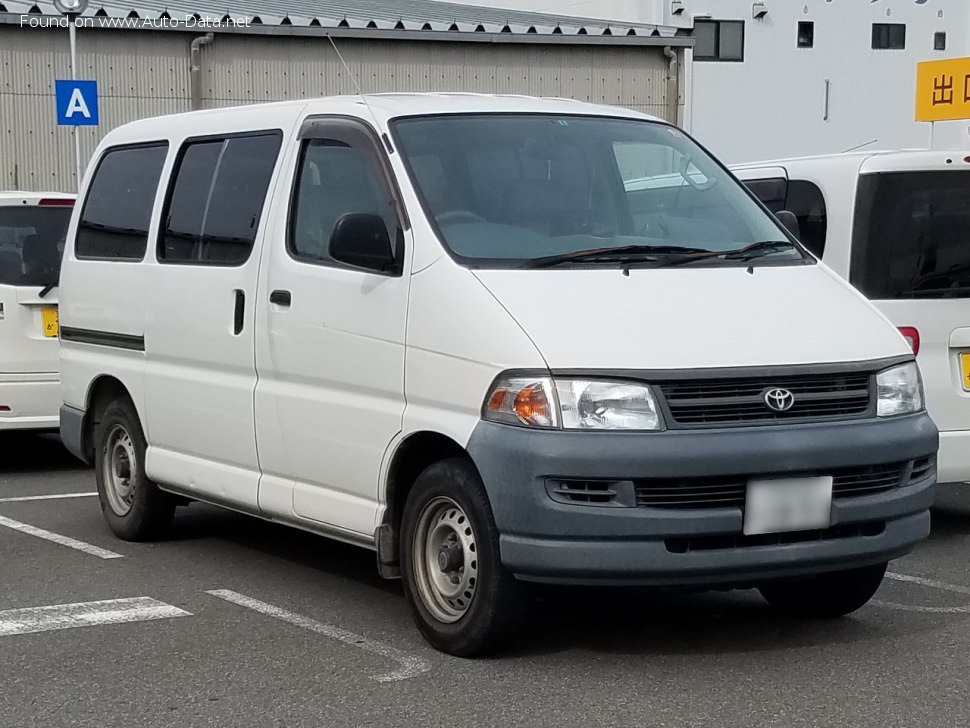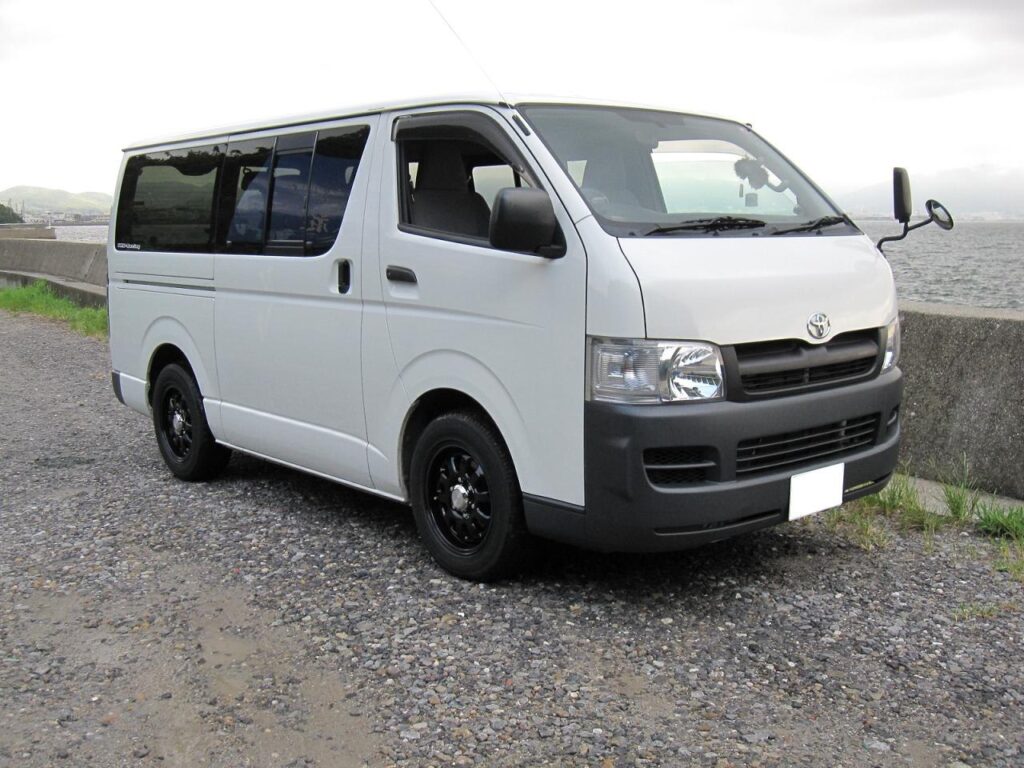
The Toyota Regius Ace (H100) is a commercial and passenger van that was produced by Toyota from 1999 to 2004. Primarily sold in the Japanese domestic market (JDM), the Regius Ace occupied a niche between larger, more utilitarian vans like the HiAce and smaller, more car-like MPVs. It was designed to offer a balance of practicality, comfort, and affordability, catering to both commercial users needing a versatile cargo carrier and families seeking a spacious people-mover. The H100 generation represented a significant update to the Regius line, offering improved styling, enhanced features, and a more refined driving experience compared to its predecessors. While not officially exported to the United States, the Regius Ace provides a fascinating example of Toyota’s approach to meeting diverse transportation needs in the late 1990s and early 2000s.
Toyota Regius Ace (H100): Overview and Market Position
The Regius Ace H100 was conceived as a flexible vehicle, available in various configurations to suit different purposes. It was offered in both passenger van and cargo van versions, with seating arrangements ranging from two to eight occupants. The van’s design prioritized interior space and ease of use, making it popular with small businesses, taxi companies, and families. In Japan, where space is often at a premium, the Regius Ace’s relatively compact footprint – compared to larger vans – was a significant advantage. It competed with other Japanese vans like the Nissan Serena and Mitsubishi Delica, offering a similar blend of practicality and affordability. The 2.0 i variant, equipped with the 1RZ-E engine, represented a mid-range offering in the Regius Ace lineup, balancing performance with fuel efficiency.
Engine & Performance
The Toyota Regius Ace (H100) 2.0 i is powered by the 1RZ-E inline-four cylinder, naturally aspirated gasoline engine. This 1.998-liter engine produces 110 horsepower at 5,200 rpm and 167 Nm (123.17 lb.-ft.) of torque at 2,600 rpm. While not a performance-oriented engine, the 1RZ-E is known for its reliability and durability, characteristics highly valued in commercial vehicles. The engine utilizes a multi-port fuel injection system and an Overhead Camshaft (OHC) valvetrain. The power-to-weight ratio of 13.2 kg/Hp (75.9 Hp/tonne) and torque-to-weight ratio of 8.7 kg/Nm (115.2 Nm/tonne) indicate a vehicle designed for practicality rather than outright speed. The front-wheel-drive configuration contributes to improved fuel efficiency and reduced mechanical complexity. The engine’s transverse mounting further optimizes space utilization within the engine bay.
Design & Features
The Toyota Regius Ace (H100) features a conventional minivan body style with a three-door configuration (including the rear liftgate). The design is functional and understated, prioritizing interior space and practicality over flamboyant aesthetics. The vehicle’s dimensions – 4,430 mm (174.41 in.) in length, 1,690 mm (66.54 in.) in width, and 1,980 mm (77.95 in.) in height – provide a spacious cabin capable of accommodating up to four passengers comfortably. The wheelbase of 2,330 mm (91.73 in.) contributes to a relatively stable ride. Inside, the Regius Ace offers a basic but functional interior, with durable materials and a focus on ease of cleaning. Features typically included power steering, and depending on the trim level, air conditioning and upgraded seating. Safety features for the era were relatively standard, including seatbelts and a reinforced body structure. The rear liftgate provides easy access to the cargo area, making it suitable for commercial applications. The suspension system consists of an independent McPherson strut setup at the front and a spring-loaded rack at the rear, providing a reasonable balance of ride comfort and handling.
Technical Specifications
| Brand | Toyota |
| Model | Regius Ace |
| Generation | Regius Ace (H100) |
| Type (Engine) | 2.0 i (110 Hp) |
| Start of production | 1999 year |
| End of production | 2004 year |
| Powertrain Architecture | Internal Combustion engine |
| Body type | Minivan |
| Seats | 4 |
| Doors | 3 |
| Fuel Type | Petrol (Gasoline) |
| Weight-to-power ratio | 13.2 kg/Hp |
| Weight-to-torque ratio | 8.7 kg/Nm |
| Power | 110 Hp @ 5200 rpm |
| Power per litre | 55.1 Hp/l |
| Torque | 167 Nm @ 2600 rpm |
| Torque (lb.-ft.) | 123.17 lb.-ft. @ 2600 rpm |
| Engine layout | Front, Transverse |
| Engine Model/Code | 1RZ-E |
| Engine displacement | 1998 cm3 |
| Engine displacement (cu. in.) | 121.93 cu. in. |
| Number of cylinders | 4 |
| Engine configuration | Inline |
| Number of valves per cylinder | 2 |
| Fuel injection system | Multi-port manifold injection |
| Engine aspiration | Naturally aspirated engine |
| Valvetrain | OHC |
| Kerb Weight | 1450 kg |
| Kerb Weight (lbs.) | 3196.7 lbs. |
| Fuel tank capacity | 65 l |
| Fuel tank capacity (US gal) | 17.17 US gal |
| Fuel tank capacity (UK gal) | 14.3 UK gal |
| Length | 4430 mm |
| Length (in.) | 174.41 in. |
| Width | 1690 mm |
| Width (in.) | 66.54 in. |
| Height | 1980 mm |
| Height (in.) | 77.95 in. |
| Wheelbase | 2330 mm |
| Wheelbase (in.) | 91.73 in. |
| Drivetrain Architecture | The Internal combustion engine (ICE) drives the front wheels of the vehicle. |
| Drive wheel | Front wheel drive |
| Front suspension | Independent type McPherson |
| Rear suspension | Spring-loaded rack |
| Steering type | Steering rack and pinion |
| Power steering | Hydraulic Steering |
The Toyota Regius Ace (H100) 2.0 i, while not a vehicle widely recognized in the American market, represents a significant example of Toyota’s engineering prowess and its ability to cater to specific regional needs. Its blend of practicality, reliability, and affordability made it a popular choice in Japan, and its robust design ensured its longevity on the road. The H100 generation Regius Ace remains a testament to Toyota’s commitment to building durable and versatile vehicles.