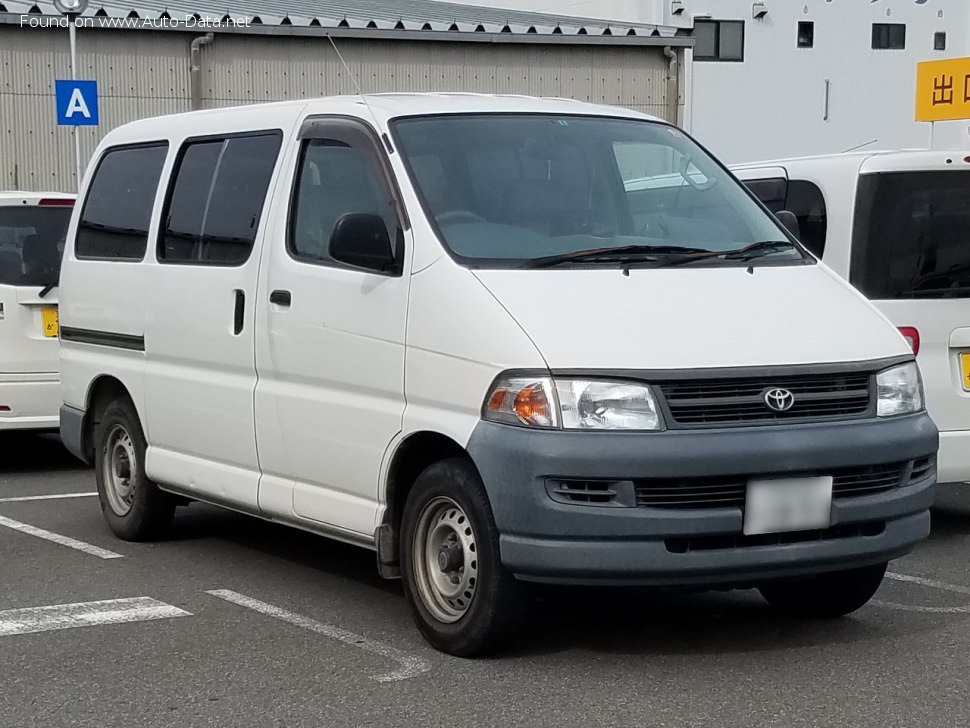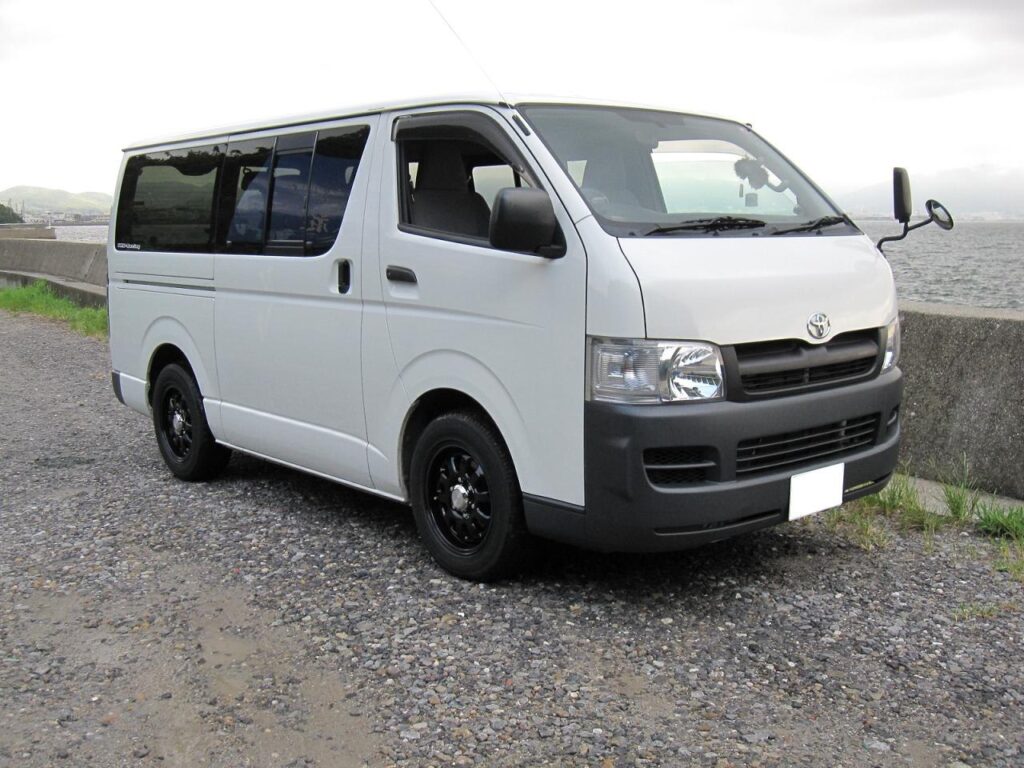
The Toyota Regius Ace (H100) is a commercial and passenger van that was produced by Toyota from 1999 to 2004. Primarily sold in the Japanese domestic market (JDM), the Regius Ace filled a niche between smaller vans like the Toyota LiteAce and larger, more commercial-focused vehicles like the Toyota HiAce. It was designed to offer a balance of practicality, comfort, and affordability, catering to both business users and families. The H100 generation represented a significant update to the Regius line, offering improved space, features, and engine options compared to its predecessors. While not officially sold in the United States, the Regius Ace is increasingly recognized by enthusiasts for its reliability, unique styling, and the growing popularity of JDM vehicles.
Toyota Regius Ace (H100) Overview
The Regius Ace H100 was offered in a variety of configurations, including passenger vans, cargo vans, and even specialized versions for commercial applications. It was positioned as a versatile vehicle capable of fulfilling multiple roles. The “2.4 i” variant, equipped with the 2RZ-E engine, was a popular choice, offering a good compromise between power and fuel efficiency. The H100 generation benefited from Toyota’s reputation for build quality and durability, making it a long-lasting and dependable vehicle. Its mid-size dimensions made it easier to maneuver in urban environments compared to larger vans, while still providing ample interior space.
Engine & Performance
The Toyota Regius Ace (H100) 2.4 i is powered by the 2RZ-E inline-four cylinder engine, displacing 2.4 liters (2438 cm³ or 148.78 cubic inches). This naturally aspirated engine produces 132 horsepower at 5000 rpm and 204 Nm (150.46 lb.-ft.) of torque at 4000 rpm. The engine utilizes a multi-port fuel injection system for efficient fuel delivery. The engine is mounted longitudinally in a mid-engine layout, contributing to a balanced weight distribution. The power-to-weight ratio is approximately 11 kg/Hp, or 91 Hp/tonne, and the torque-to-weight ratio is 7.1 kg/Nm, or 140.7 Nm/tonne. While not a performance-oriented vehicle, the 2RZ-E provides adequate power for everyday driving and hauling moderate loads. The engine’s reliability is a key characteristic, with many examples exceeding high mileage with proper maintenance. The 2RZ-E is known for its durability and relatively simple design, making it easier to repair and maintain compared to more complex modern engines.
Design & Features
The Toyota Regius Ace (H100) features a traditional minivan body style, characterized by a boxy shape designed to maximize interior space. The vehicle’s dimensions are 4430 mm (174.41 inches) in length, 1690 mm (66.54 inches) in width, and 1980 mm (77.95 inches) in height, with a wheelbase of 2330 mm (91.73 inches). The interior is designed for practicality and comfort, with seating configurations varying depending on the specific model. Passenger versions typically offer seating for seven or eight occupants. The Regius Ace offered a range of features for its time, including air conditioning, power windows, and a basic audio system. Safety features were relatively standard for the late 1990s and early 2000s, including seatbelts and potentially airbags depending on the trim level. The vehicle’s design prioritized functionality over aesthetics, with a focus on creating a spacious and versatile interior. The large sliding doors provide easy access for passengers and cargo. The fuel tank capacity is 65 liters (17.17 US gallons or 14.3 UK gallons).
Technical Specifications
| Brand | Toyota |
| Model | Regius Ace |
| Generation | Regius Ace (H100) |
| Type (Engine) | 2.4 i (132 Hp) |
| Start of production | 1999 year |
| End of production | 2004 year |
| Powertrain Architecture | Internal Combustion engine |
| Body type | Minivan |
| Fuel Type | Petrol (Gasoline) |
| Weight-to-power ratio | 11 kg/Hp |
| Hp/tonne | 91 Hp/tonne |
| Weight-to-torque ratio | 7.1 kg/Nm |
| Nm/tonne | 140.7 Nm/tonne |
| Power | 132 Hp @ 5000 rpm |
| Power per litre | 54.1 Hp/l |
| Torque | 204 Nm @ 4000 rpm |
| Torque (lb.-ft.) | 150.46 lb.-ft. @ 4000 rpm |
| Engine layout | Middle, Longitudinal |
| Engine Model/Code | 2RZ-E |
| Engine displacement | 2438 cm3 |
| Engine displacement (cu. in.) | 148.78 cu. in. |
| Number of cylinders | 4 |
| Engine configuration | Inline |
| Fuel injection system | Multi-port manifold injection |
| Engine aspiration | Naturally aspirated engine |
| Kerb Weight | 1450 kg |
| Kerb Weight (lbs.) | 3196.7 lbs. |
| Fuel tank capacity | 65 l |
| Fuel tank capacity (US gal) | 17.17 US gal |
| Fuel tank capacity (UK gal) | 14.3 UK gal |
| Length | 4430 mm |
| Length (in.) | 174.41 in. |
| Width | 1690 mm |
| Width (in.) | 66.54 in. |
| Height | 1980 mm |
| Height (in.) | 77.95 in. |
| Wheelbase | 2330 mm |
| Wheelbase (in.) | 91.73 in. |
The Toyota Regius Ace (H100) 2.4 i remains a popular choice among JDM enthusiasts and those seeking a reliable and versatile van. Its blend of practicality, durability, and affordability has ensured its continued relevance long after its production ended. While not a common sight on American roads, its growing presence reflects the increasing appreciation for Japanese automotive engineering and design.