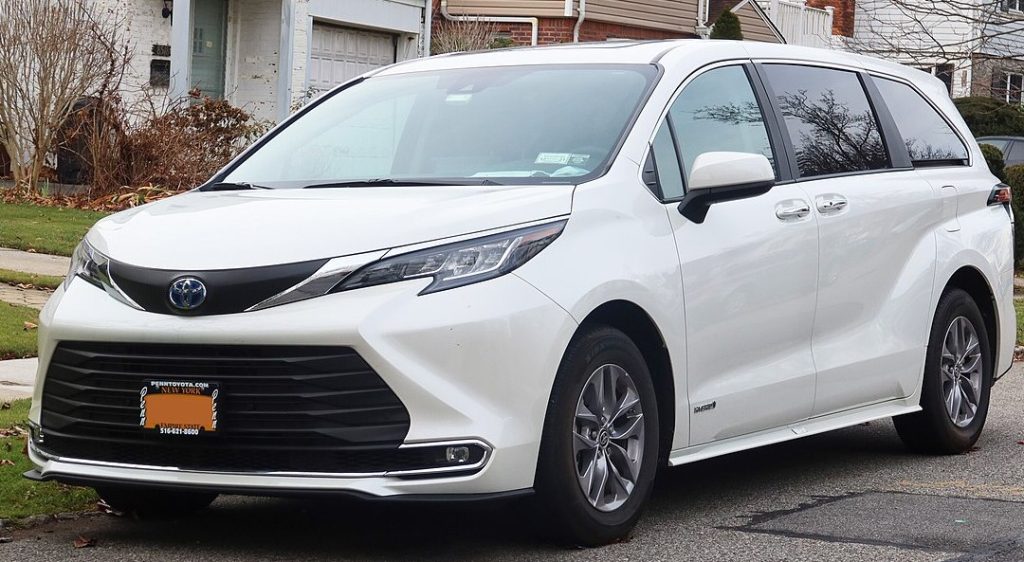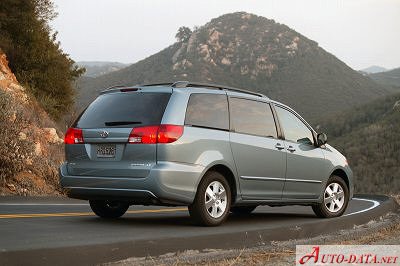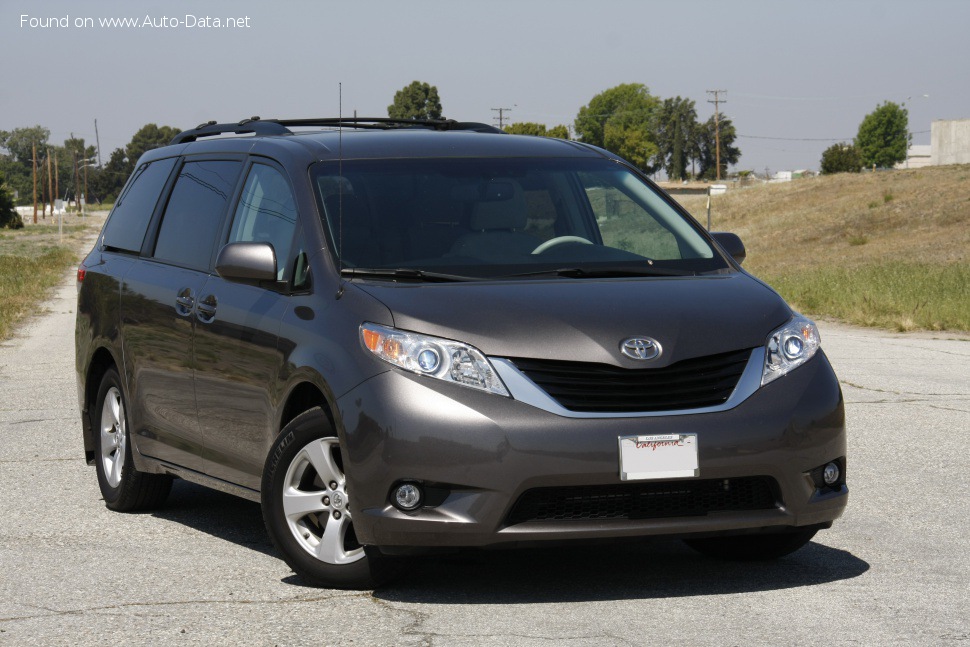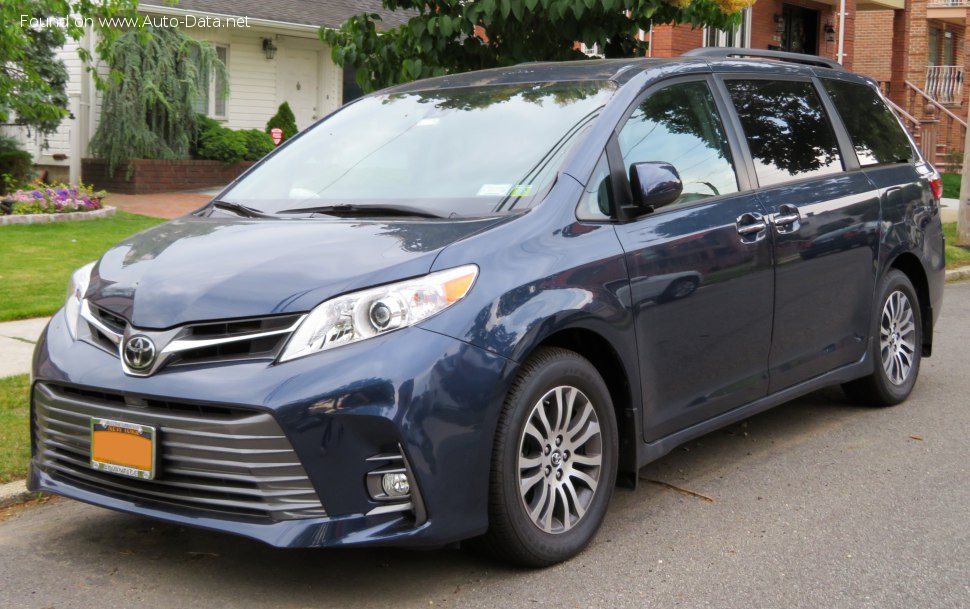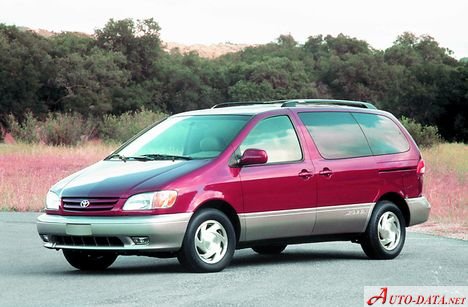
The Toyota Sienna 3.0 i V6 24V (213 Hp) represents a significant iteration of Toyota’s entry into the highly competitive minivan segment. Produced between 2001 and 2002, this generation Sienna aimed to provide a comfortable, reliable, and family-oriented vehicle, primarily targeted at the North American market. While Toyota had previously offered the Previa minivan, the Sienna was designed specifically to appeal to American preferences for size, power, and practicality. This model year featured a 3.0-liter V6 engine, offering a balance of performance and fuel efficiency for its class.
Toyota Sienna 3.0 i V6 24V: An Overview
The first-generation Toyota Sienna (produced from 1997-2003) was a pivotal model for Toyota, marking a serious attempt to capture a substantial share of the North American minivan market. Prior to the Sienna, the Previa, while well-regarded for its build quality, was hampered by its mid-engine layout and smaller size, limiting its appeal to a niche audience. The Sienna adopted a more conventional front-wheel-drive layout and a larger body, aligning it with popular minivans like the Dodge Caravan, Chrysler Town & Country, and Honda Odyssey. The 3.0 i V6 24V variant, specifically, offered a step up in power compared to the base 2.2-liter four-cylinder engine, making it a popular choice for families needing extra capability for towing or highway driving.
Engine & Performance
The heart of the Toyota Sienna 3.0 i V6 24V is the 1MZ-FE 3.0-liter V6 engine. This naturally aspirated engine produces 213 horsepower at 5800 rpm and 298 Nm (219.79 lb.-ft.) of torque at 4400 rpm. The engine features a double overhead camshaft (DOHC) valvetrain with four valves per cylinder, contributing to its relatively high power output for its displacement – 71.1 horsepower per liter. Fuel is delivered via a multi-port manifold injection system. Power is transmitted to the front wheels through a four-speed automatic transmission. The Sienna 3.0 i V6 achieves a maximum speed of 180 km/h (111.85 mph). The weight-to-power ratio of 8.4 kg/Hp and a weight-to-torque ratio of 6 kg/Nm provide adequate acceleration and responsiveness for everyday driving. Fuel economy is rated at 13 l/100 km (18.1 US mpg) in urban conditions and 9.8 l/100 km (24 US mpg) on the highway.
Design & Features
The 2001-2002 Toyota Sienna is a five-door minivan with seating for five passengers. Its body style prioritizes practicality and space. A key feature of the Sienna was its spacious interior, offering ample headroom and legroom for all occupants. The rear seats could be configured for various passenger and cargo needs, including folding flat into the floor for maximum cargo capacity. The trunk offers a minimum of 755 liters (26.66 cu. ft.) of space, expanding to a substantial 3780 liters (133.49 cu. ft.) with the rear seats folded. Safety features for this era included an Anti-lock Braking System (ABS), which was becoming increasingly standard on vehicles. The Sienna’s suspension utilizes a spring strut setup in the front and a coil spring arrangement in the rear, providing a comfortable ride. Steering is rack and pinion with hydraulic power assistance. The vehicle rides on 215/65 R15 tires.
Technical Specifications
| Brand | Toyota |
| Model | Sienna |
| Generation | Sienna |
| Type (Engine) | 3.0 i V6 24V (213 Hp) |
| Start of production | 2001 |
| End of production | December, 2002 |
| Powertrain Architecture | Internal Combustion engine |
| Body type | Minivan |
| Seats | 5 |
| Doors | 5 |
| Fuel consumption (urban) | 13 l/100 km (18.1 US mpg) |
| Fuel consumption (extra urban) | 9.8 l/100 km (24 US mpg) |
| Fuel Type | Petrol (Gasoline) |
| Maximum speed | 180 km/h (111.85 mph) |
| Weight-to-power ratio | 8.4 kg/Hp |
| Weight-to-torque ratio | 6 kg/Nm |
| Power | 213 Hp @ 5800 rpm |
| Torque | 298 Nm @ 4400 rpm (219.79 lb.-ft. @ 4400 rpm) |
| Engine layout | Front, Transverse |
| Engine Model/Code | 1MZ-FE |
| Engine displacement | 2995 cm3 (182.77 cu. in.) |
| Number of cylinders | 6 |
| Engine configuration | V-engine |
| Cylinder Bore | 87.5 mm (3.44 in.) |
| Piston Stroke | 83 mm (3.27 in.) |
| Compression ratio | 10.5:1 |
| Number of valves per cylinder | 4 |
| Fuel injection system | Multi-port manifold injection |
| Engine aspiration | Naturally aspirated engine |
| Valvetrain | DOHC |
| Engine oil capacity | 4.7 l (4.97 US qt | 4.14 UK qt) |
| Coolant capacity | 9.5 l (10.04 US qt | 8.36 UK qt) |
| Kerb Weight | 1780 kg (3924.23 lbs.) |
| Trunk (boot) space – minimum | 755 l (26.66 cu. ft.) |
| Trunk (boot) space – maximum | 3780 l (133.49 cu. ft.) |
| Fuel tank capacity | 79 l (20.87 US gal | 17.38 UK gal) |
| Length | 4930 mm (194.09 in.) |
| Width | 1865 mm (73.43 in.) |
| Height | 1710 mm (67.32 in.) |
| Wheelbase | 2900 mm (114.17 in.) |
| Front track | 1565 mm (61.61 in.) |
| Rear track | 1610 mm (63.39 in.) |
| Drivetrain Architecture | Front wheel drive |
| Number of gears | 4 |
| Gearbox type | Automatic transmission |
| Front suspension | Spring Strut |
| Rear suspension | Coil spring |
| Front brakes | Ventilated discs |
| Rear brakes | Drum |
| Assisting systems | ABS (Anti-lock braking system) |
| Steering type | Steering rack and pinion |
| Power steering | Hydraulic Steering |
| Tires size | 215/65 R15 |
The Toyota Sienna 3.0 i V6 24V, while superseded by later generations, remains a testament to Toyota’s commitment to building reliable and practical vehicles. It provided a compelling option for families seeking a comfortable and spacious minivan with a capable V6 engine.