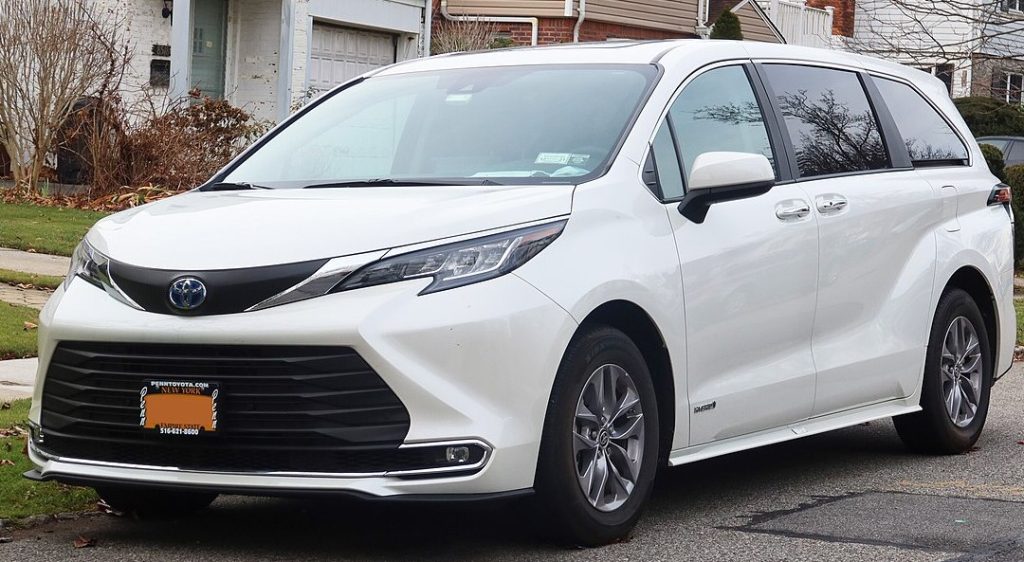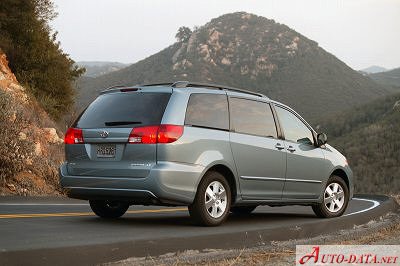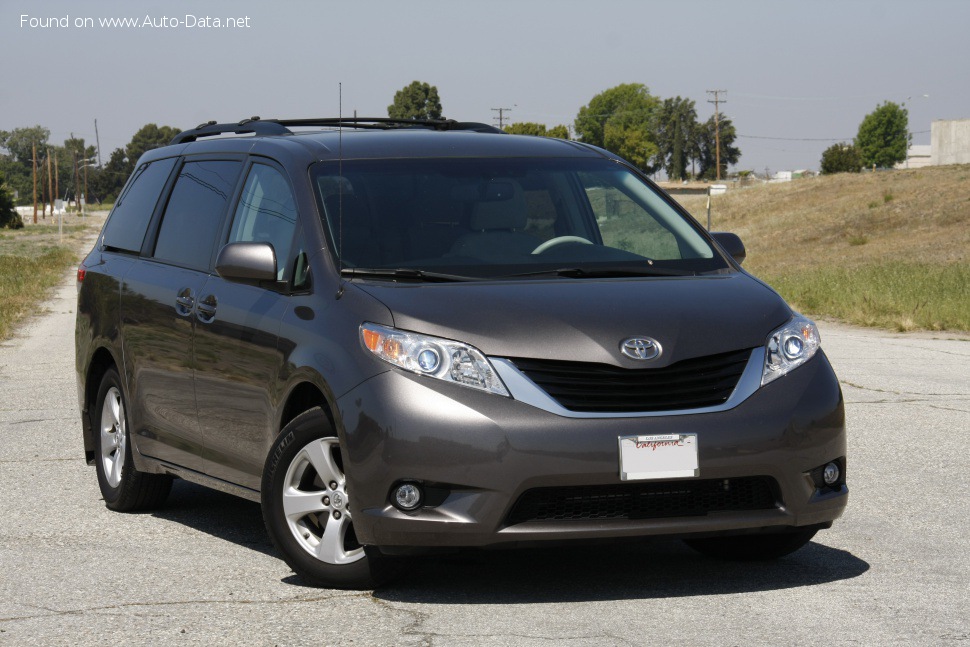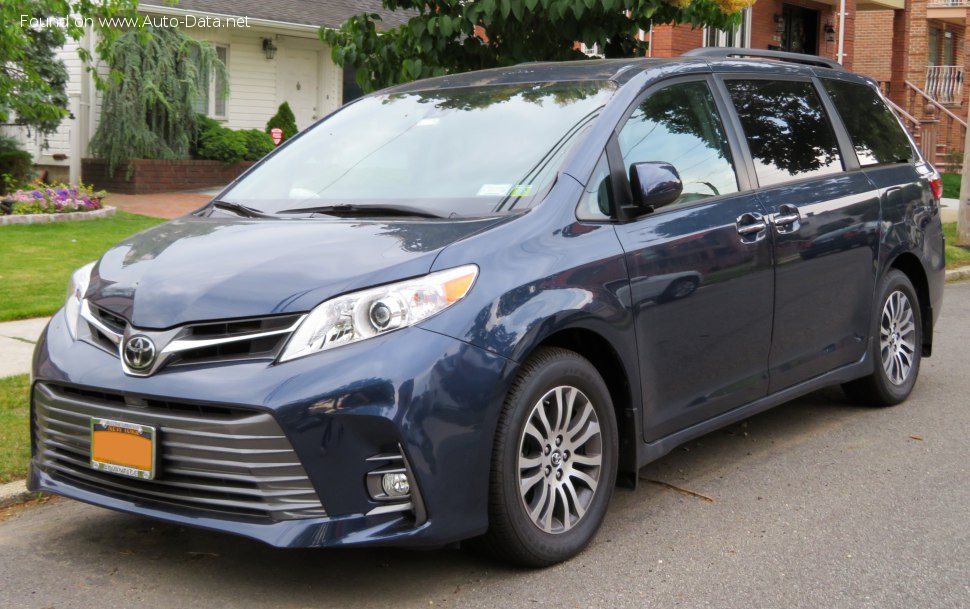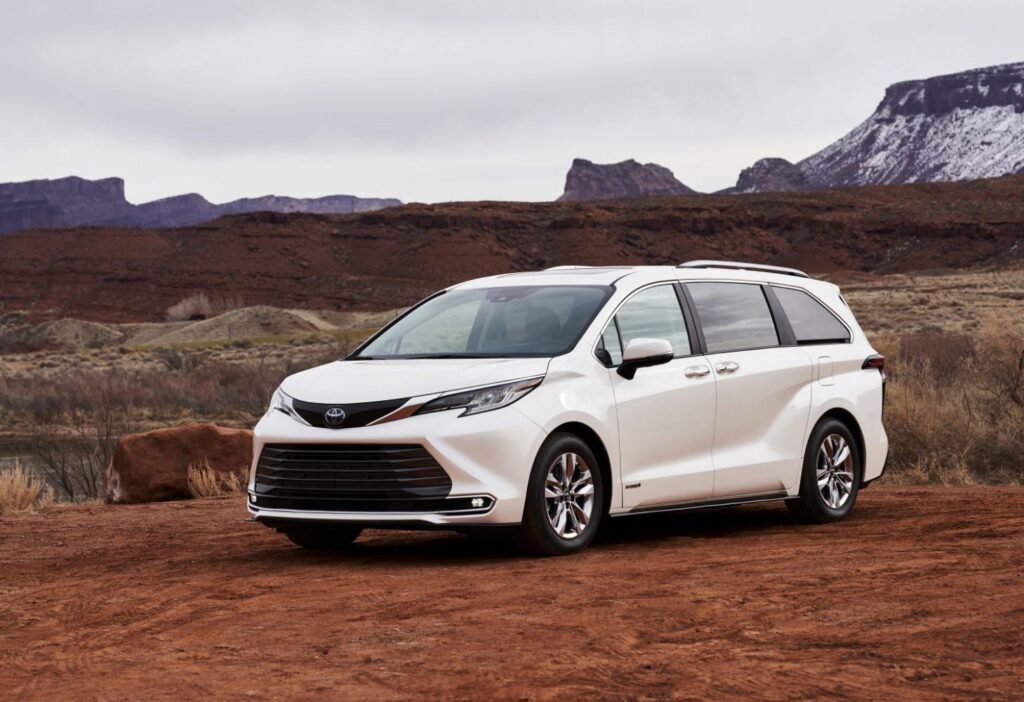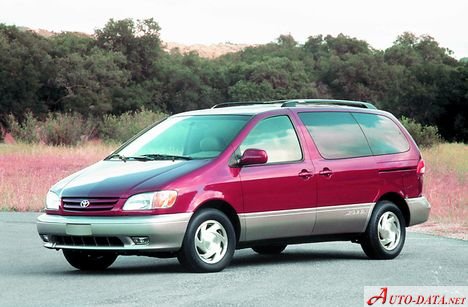
The Toyota Sienna, launched in 1997, represented Toyota’s entry into the increasingly popular minivan segment in North America. Designed to compete with established players like the Dodge Caravan and Chrysler Town & Country, the first-generation Sienna (XV20) offered a blend of practicality, reliability, and Toyota’s reputation for quality. This generation, produced from 1997 to 2003, was a significant departure from the earlier Previa minivan, offering a more conventional front-wheel-drive layout and a larger interior. The 3.0-liter V6 engine option, detailed here, was a key component of the Sienna’s appeal, providing a balance of power and fuel efficiency for family transportation.
Toyota Sienna 3.0 V6 24V (197 Hp): An Overview
The Toyota Sienna 3.0 V6 24V, produced between 1997 and 2002, was a mainstay of the first-generation Sienna lineup. It catered to buyers seeking a comfortable and spacious family vehicle with a more powerful engine option than the base four-cylinder. The Sienna, unlike many minivans of the era, exclusively offered a front-wheel-drive configuration, simplifying its mechanical layout and contributing to its interior space. This generation of Sienna quickly gained a reputation for dependability and became a popular choice for families needing a versatile vehicle for daily commutes, road trips, and everything in between.
Engine & Performance
The heart of the Sienna 3.0 V6 is the 1MZ-FE 3.0-liter V6 engine. This naturally aspirated engine produces 197 horsepower at 5200 rpm and 284 Nm (209.47 lb.-ft.) of torque at 4400 rpm. The engine features a double overhead camshaft (DOHC) valvetrain with four valves per cylinder, contributing to its relatively high power output for its displacement. The 65.8 horsepower per liter demonstrates a reasonable level of specific output for a naturally aspirated engine of this era. Power is delivered to the front wheels via a four-speed automatic transmission. The Sienna 3.0 V6 achieves a maximum speed of 180 km/h (111.85 mph). The weight-to-power ratio of 8.7 kg/Hp and a weight-to-torque ratio of 6 kg/Nm indicate a reasonably responsive driving experience, especially when considering the vehicle’s size and intended purpose. Fuel economy is rated at 13.1 l/100 km (18 US mpg) in urban driving and 9.8 l/100 km (24 US mpg) in extra-urban conditions.
Design & Features
The first-generation Toyota Sienna is a five-door minivan with seating for five passengers. Its design prioritized practicality and interior space over aggressive styling. The body features a relatively boxy shape, maximizing interior volume. Key features included sliding rear doors for easy access, a spacious interior with configurable seating, and a large trunk area. The Sienna offered a minimum trunk capacity of 3710 liters (131.02 cu. ft.) and a maximum capacity of 4050 liters (143.02 cu. ft.) with the rear seats folded. Safety features for the time included Anti-lock Braking System (ABS). The Sienna’s interior was designed with family use in mind, featuring durable materials and ample storage compartments. The hydraulic power steering provided ease of maneuverability, and the suspension – a spring strut setup in the front and coil springs in the rear – aimed to deliver a comfortable ride.
Technical Specifications
| Brand | Toyota |
| Model | Sienna |
| Generation | Sienna |
| Engine Type | 3.0 V6 24V (197 Hp) |
| Production Years | 1997 – 2002 |
| Powertrain Architecture | Internal Combustion engine |
| Body Type | Minivan |
| Seats | 5 |
| Doors | 5 |
| Fuel Consumption (Urban) | 13.1 l/100 km (18 US mpg) |
| Fuel Consumption (Extra Urban) | 9.8 l/100 km (24 US mpg) |
| Fuel Type | Petrol (Gasoline) |
| Maximum Speed | 180 km/h (111.85 mph) |
| Weight-to-Power Ratio | 8.7 kg/Hp |
| Weight-to-Torque Ratio | 6 kg/Nm |
| Power | 197 Hp @ 5200 rpm |
| Torque | 284 Nm @ 4400 rpm (209.47 lb.-ft.) |
| Engine Layout | Front, Longitudinal |
| Engine Model/Code | 1MZ-FE |
| Engine Displacement | 2995 cm3 (182.77 cu. in.) |
| Number of Cylinders | 6 |
| Engine Configuration | V-engine |
| Cylinder Bore | 87.5 mm (3.44 in.) |
| Piston Stroke | 83 mm (3.27 in.) |
| Compression Ratio | 10.5:1 |
| Valves per Cylinder | 4 |
| Fuel Injection | Multi-port manifold injection |
| Engine Aspiration | Naturally aspirated |
| Valvetrain | DOHC |
| Engine Oil Capacity | 4.7 l (4.97 US qt | 4.14 UK qt) |
| Coolant Capacity | 9.5 l (10.04 US qt | 8.36 UK qt) |
| Kerb Weight | 1705 kg (3758.88 lbs.) |
| Trunk Space (Min) | 3710 l (131.02 cu. ft.) |
| Trunk Space (Max) | 4050 l (143.02 cu. ft.) |
| Fuel Tank Capacity | 79 l (20.87 US gal | 17.38 UK gal) |
| Length | 4910 mm (193.31 in.) |
| Width | 1860 mm (73.23 in.) |
| Height | 1710 mm (67.32 in.) |
| Wheelbase | 2900 mm (114.17 in.) |
| Front Track | 1560 mm (61.42 in.) |
| Rear Track | 1610 mm (63.39 in.) |
| Drivetrain | Front wheel drive |
| Gearbox | 4 gears, automatic transmission |
| Front Suspension | Spring Strut |
| Rear Suspension | Coil spring |
| Front Brakes | Ventilated discs |
| Rear Brakes | Drum |
| Assisting Systems | ABS (Anti-lock braking system) |
| Steering | Steering rack and pinion, Hydraulic Power Steering |
| Tire Size | 205/70 R15 |
The Toyota Sienna 3.0 V6 24V (1997-2002) established the Sienna as a competitive force in the minivan market. Its combination of a powerful V6 engine, spacious interior, and Toyota’s renowned reliability made it a popular choice for families seeking a practical and dependable vehicle.