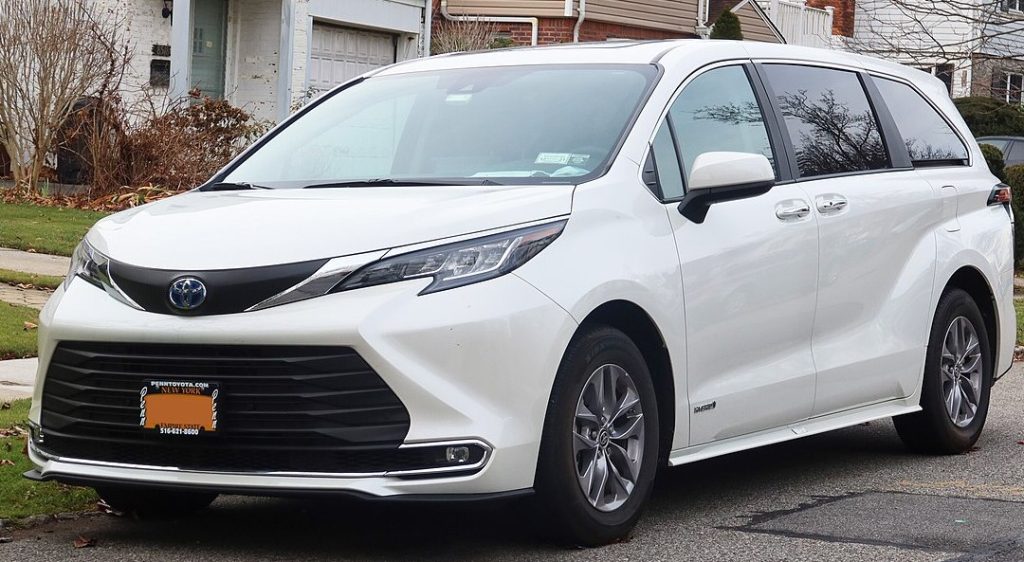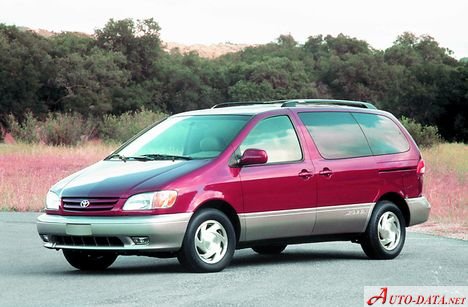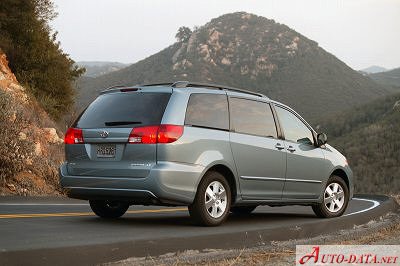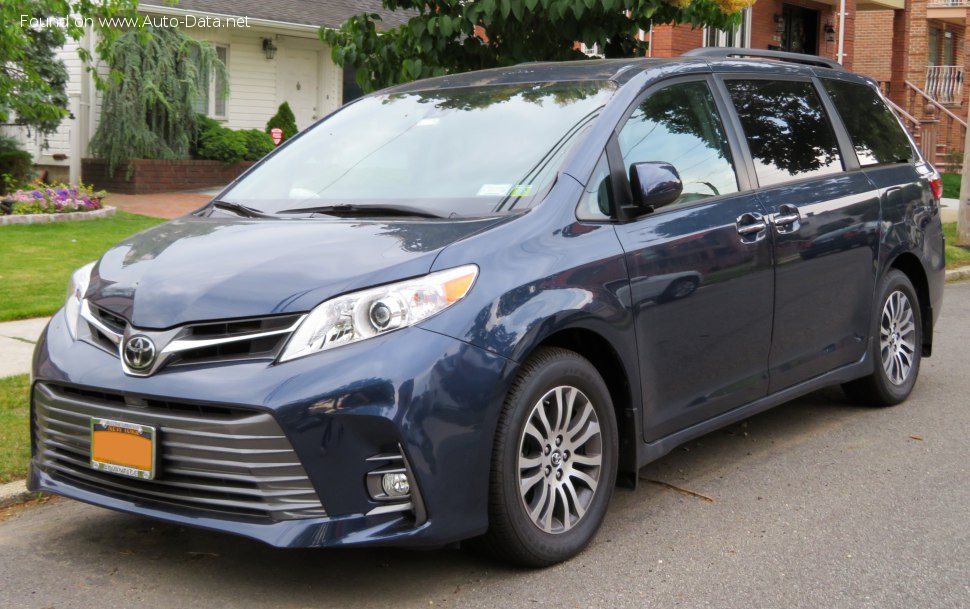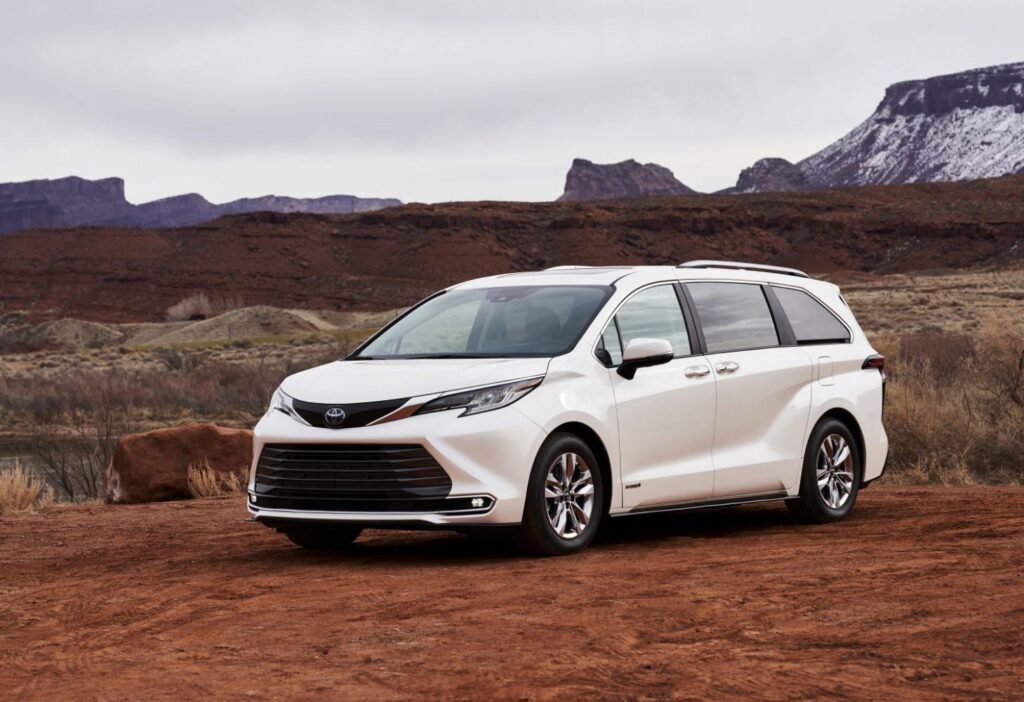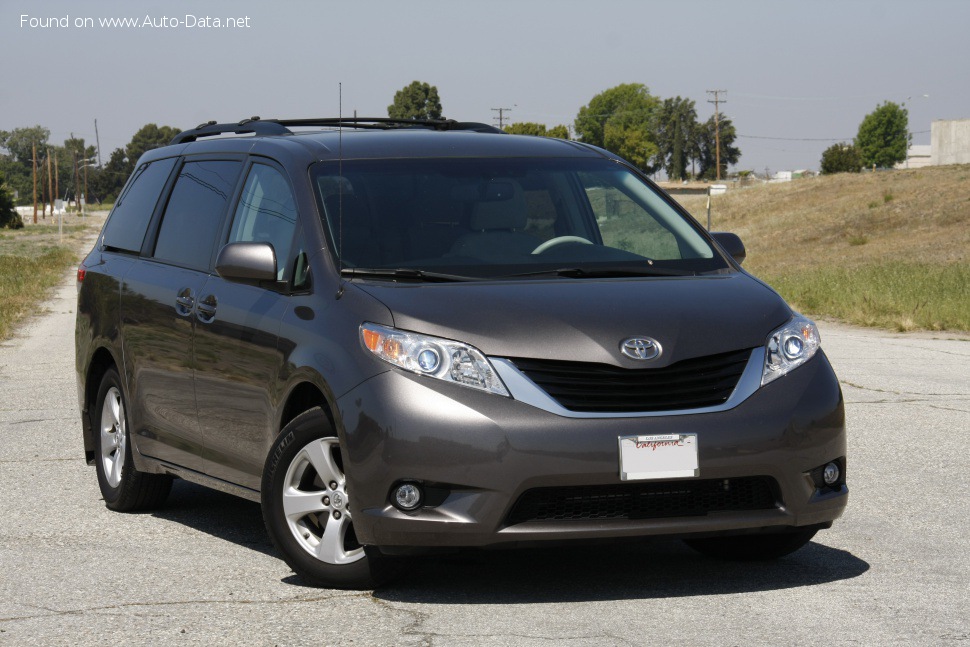
The Toyota Sienna III, produced from 2010 to 2017, represents the third generation of Toyota’s popular minivan. Designed primarily for the North American market, the Sienna III continued the model’s reputation for reliability, spaciousness, and family-friendly features. This generation saw incremental improvements in fuel efficiency and technology compared to its predecessors, while maintaining the core attributes that made the Sienna a leading choice in the minivan segment. The 2.7-liter engine variant, producing 187 horsepower, served as the base engine option for this generation, offering a balance of affordability and practicality.
Toyota Sienna III 2.7: An Overview
The Sienna III was a crucial model for Toyota in the highly competitive North American minivan market. Unlike many other markets where minivans have declined in popularity, the US and Canada have maintained a strong demand for these versatile vehicles. The Sienna directly competed with models like the Honda Odyssey, Chrysler Pacifica (and its predecessors), and Dodge Grand Caravan. The third-generation Sienna focused on refining the formula established by previous iterations, offering a comfortable ride, ample interior space, and a reputation for long-term durability. The 2.7-liter engine option provided an entry point into the Sienna lineup, appealing to buyers prioritizing value and fuel economy over outright performance.
Engine & Performance
The base engine for the Toyota Sienna III was the 1AR-FE 2.7-liter inline-four cylinder gasoline engine. This naturally aspirated engine produced 187 horsepower at 5800 rpm and 252 Nm (185.87 lb.-ft.) of torque at 4100 rpm. While not the most powerful engine in the minivan segment, it provided adequate performance for everyday driving and family transportation. The engine featured a double overhead camshaft (DOHC) valvetrain with Variable Valve Timing-intelligence (VVT-i), optimizing engine efficiency and responsiveness. Power was delivered to the front wheels via a six-speed automatic transmission with ECT-i (Electronic Control Transmission – intelligent) technology. This transmission aimed to provide smooth shifting and efficient operation. The Sienna 2.7’s weight-to-power ratio was 10.4 kg/Hp, and its weight-to-torque ratio was 7.7 kg/Nm. Fuel economy figures were rated at 11.2 l/100 km (21 US mpg) combined, with 12.4 l/100 km (19 US mpg) in urban driving and 9.8 l/100 km (24 US mpg) on the highway.
Design & Features
The Toyota Sienna III maintained the traditional minivan silhouette, prioritizing interior space and practicality. It was a five-door vehicle with seating for seven to eight passengers, depending on the configuration. The interior was designed with family use in mind, offering comfortable seating, durable materials, and numerous storage compartments. Key features included sliding rear doors for easy access, a spacious cargo area, and available options like a rear-seat entertainment system. Safety was a significant focus, with standard features like anti-lock brakes (ABS) and multiple airbags. Later models incorporated advanced safety technologies such as pre-collision systems and lane departure alert. The Sienna’s design emphasized functionality and comfort over sporty aesthetics. The drag coefficient of 0.31 contributed to reasonable aerodynamic efficiency. Trunk space ranged from a minimum of 993 liters (35.07 cu. ft.) with all seats in use to a maximum of 3810 liters (134.55 cu. ft.) with the rear seats folded down.
Technical Specifications
| Brand | Toyota |
| Model | Sienna |
| Generation | Sienna III |
| Type (Engine) | 2.7 (187 Hp) Automatic |
| Start of production | 2010 |
| End of production | 2017 |
| Powertrain Architecture | Internal Combustion engine |
| Body type | Minivan |
| Seats | 7-8 |
| Doors | 5 |
| Fuel consumption (urban) | 12.4 l/100 km (19 US mpg) |
| Fuel consumption (extra urban) | 9.8 l/100 km (24 US mpg) |
| Fuel consumption (combined) | 11.2 l/100 km (21 US mpg) |
| Fuel Type | Petrol (Gasoline) |
| Weight-to-power ratio | 10.4 kg/Hp |
| Weight-to-torque ratio | 7.7 kg/Nm |
| Power | 187 Hp @ 5800 rpm |
| Power per litre | 70 Hp/l |
| Torque | 252 Nm @ 4100 rpm (185.87 lb.-ft. @ 4100 rpm) |
| Engine layout | Front, Transverse |
| Engine Model/Code | 1AR-FE |
| Engine displacement | 2672 cm3 (163.06 cu. in.) |
| Number of cylinders | 4 |
| Engine configuration | Inline |
| Number of valves per cylinder | 4 |
| Fuel injection system | Multi-port manifold injection |
| Engine aspiration | Naturally aspirated engine |
| Valvetrain | DOHC, VVT-i |
| Engine oil capacity | 4.4 l (4.65 US qt | 3.87 UK qt) |
| Coolant capacity | 8.7 l (9.19 US qt | 7.65 UK qt) |
| Kerb Weight | 1939-1955 kg (4274.76 – 4310.04 lbs.) |
| Trunk (boot) space – minimum | 993 l (35.07 cu. ft.) |
| Trunk (boot) space – maximum | 3810 l (134.55 cu. ft.) |
| Fuel tank capacity | 75 l (19.81 US gal | 16.5 UK gal) |
| Length | 5085 mm (200.2 in.) |
| Width | 1984 mm (78.11 in.) |
| Height | 1765-1811 mm (69.49 – 71.3 in.) |
| Wheelbase | 3030 mm (119.29 in.) |
| Front track | 1720 mm (67.72 in.) |
| Rear (Back) track | 1720 mm (67.72 in.) |
| Ride height (ground clearance) | 170 mm (6.69 in.) |
| Drag coefficient (Cd) | 0.31 |
| Minimum turning circle (turning diameter) | 11.36 m (37.27 ft.) |
| Drivetrain Architecture | ICE, Front wheel drive |
| Drive wheel | Front wheel drive |
| Number of gears and type of gearbox | 6 gears, automatic transmission ECT-i |
| Front suspension | Independent, type McPherson with coil spring and anti-roll bar |
| Rear suspension | Independent coil spring |
| Front brakes | Ventilated discs |
| Rear brakes | Ventilated discs |
| Assisting systems | ABS (Anti-lock braking system) |
| Steering type | Steering rack and pinion |
| Power steering | Electric Steering |
| Tires size | 235/60 R17; 235/55 R18; 235/50 R19 |
| Wheel rims size | 17; 18; 19 |
The Toyota Sienna III 2.7 continued the Sienna’s legacy as a practical and reliable minivan, offering a comfortable and spacious interior for families. While the 2.7-liter engine wasn’t the most powerful option, it provided a good balance of fuel economy and usability for everyday driving needs.