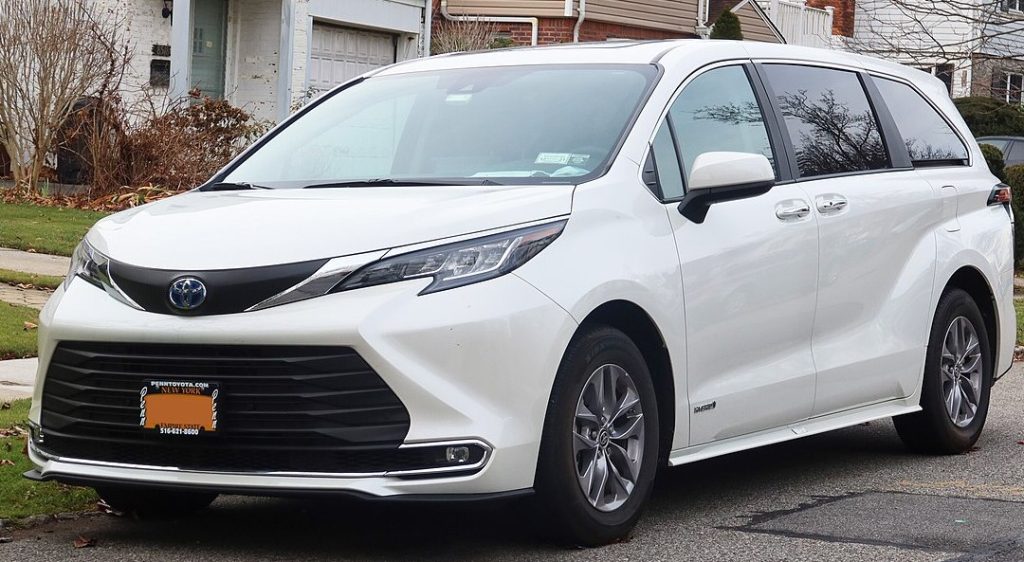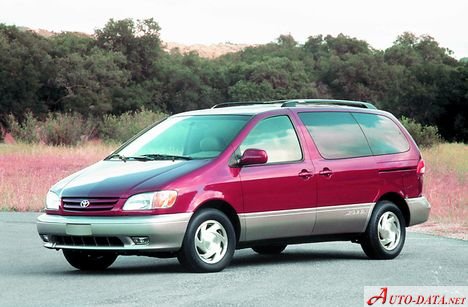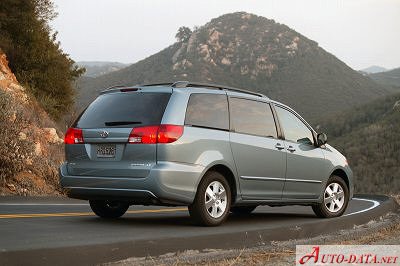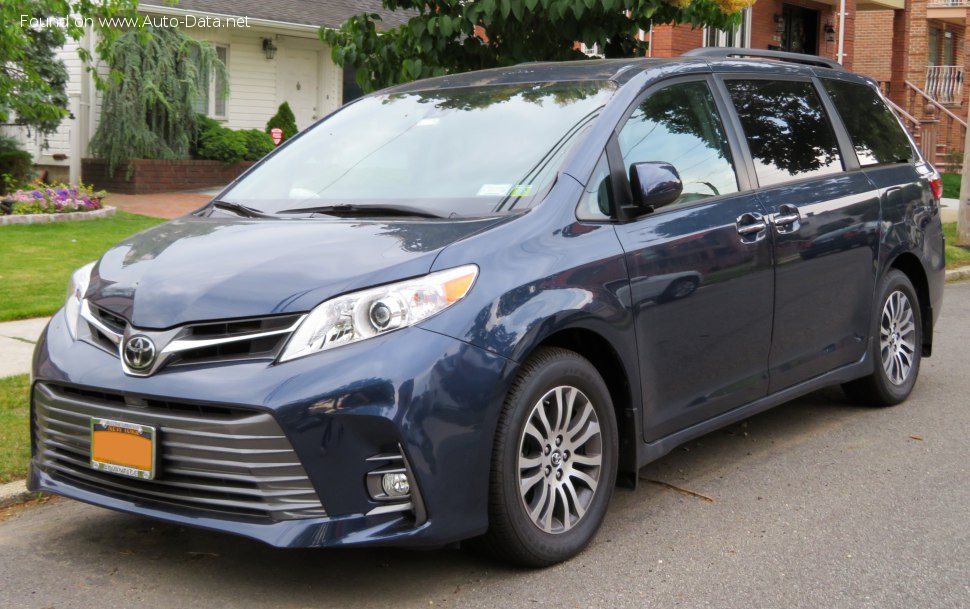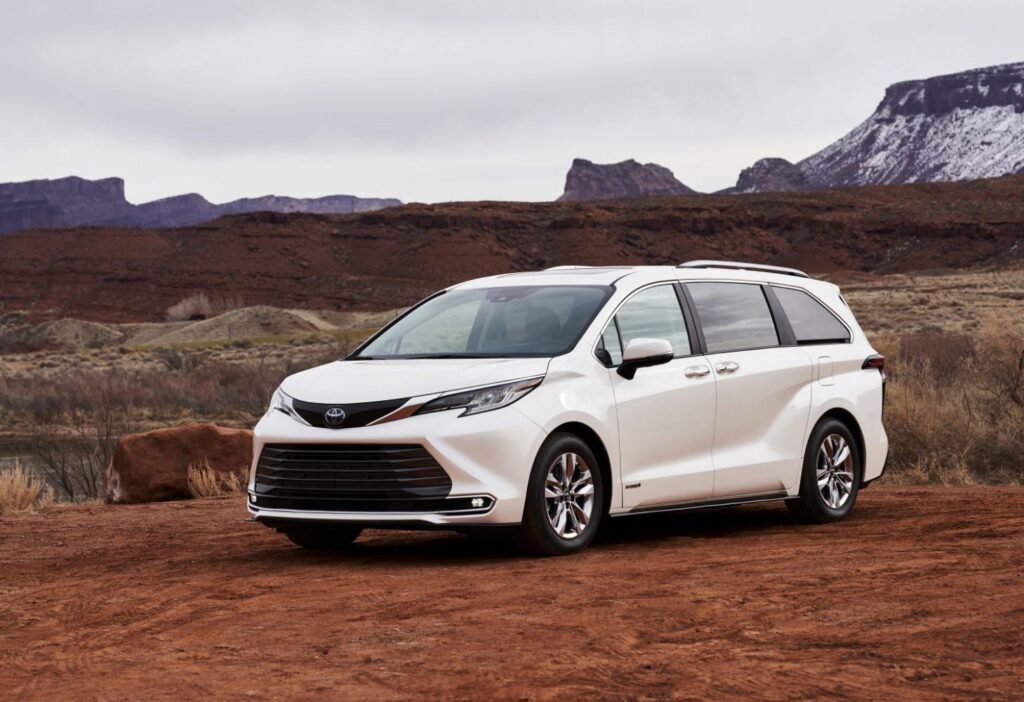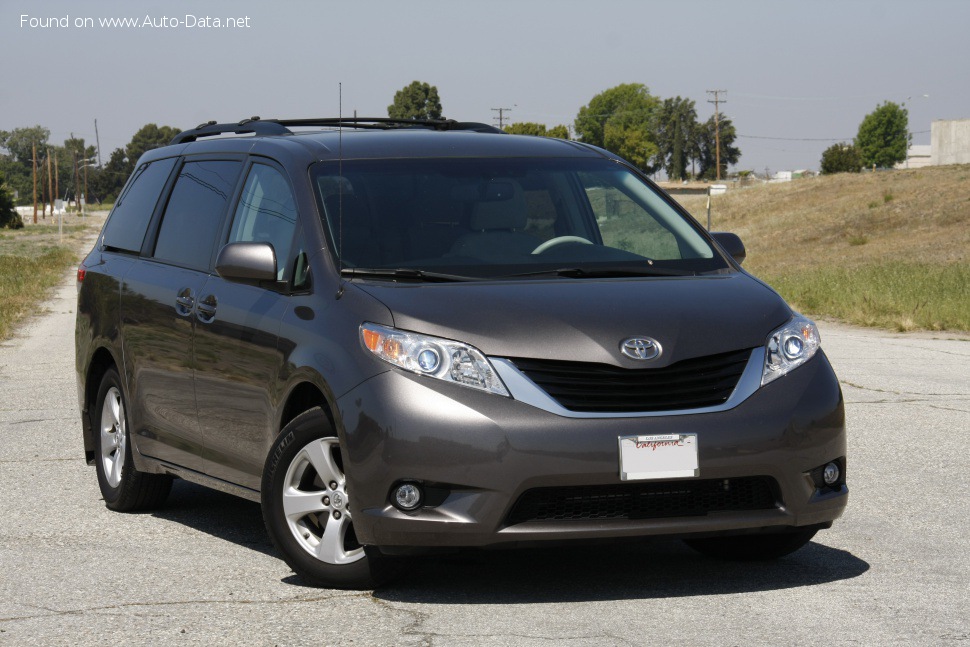
The Toyota Sienna III, produced from 2010 to 2017, represents the third generation of Toyota’s popular minivan. Sold primarily in North America, the Sienna established itself as a key player in the family vehicle segment, known for its spacious interior, reliability, and available all-wheel drive. This generation focused on refining the formula of its predecessors, offering improved fuel efficiency, enhanced safety features, and a more comfortable ride. The 3.5 V6 model, equipped with a 266 horsepower engine and automatic transmission, was a mainstay of the Sienna lineup, providing a balance of power and practicality for families.
Toyota Sienna III 3.5 V6: An Overview
The Sienna III was designed to cater to the needs of active families, prioritizing passenger comfort and cargo capacity. It competed directly with other minivans like the Honda Odyssey and Chrysler Pacifica, offering a compelling alternative with Toyota’s reputation for dependability. The third-generation Sienna saw significant updates in styling, technology, and safety compared to the previous generation, solidifying its position as a leading minivan in the US market. The 3.5L V6 engine became the standard engine option, replacing the previous 4-cylinder offering and providing a substantial increase in performance.
Engine & Performance
The heart of the Toyota Sienna III 3.5 V6 is the 2GR-FE 3.5-liter V6 gasoline engine. This naturally aspirated engine produces 266 horsepower at 6200 rpm and 332 Nm (244.87 lb.-ft.) of torque at 4700 rpm. The engine features a double overhead camshaft (DOHC) valvetrain with Variable Valve Timing-intelligence (VVT-i), optimizing performance and fuel efficiency across a wide range of driving conditions. Power is delivered to the front wheels via a six-speed automatic transmission with Electronically Controlled Transmission-intelligent (ECT-i) technology. This transmission provides smooth and responsive shifting. The Sienna’s weight-to-power ratio is 7.4 kg/Hp, or 134.3 Hp/tonne, indicating a respectable level of performance for a minivan. Fuel economy is rated at 11.8 l/100 km (19.9 US mpg) combined, with 13.1 l/100 km (18 US mpg) in urban settings and 9.8 l/100 km (24 US mpg) on the highway.
Design & Features
The Toyota Sienna III maintains the classic minivan silhouette, characterized by its sliding rear doors and spacious interior. The exterior styling was refined with a more sculpted front fascia and updated taillights. The Sienna III is a five-door minivan, typically seating seven to eight passengers depending on the configuration. A key feature of the Sienna is its versatile interior, offering ample headroom and legroom for all occupants. The rear seats can be folded flat or even removed entirely to maximize cargo space, ranging from a minimum of 993 liters (35.07 cu. ft.) to a maximum of 3810 liters (134.55 cu. ft.) with the rear seats stowed. Safety features were a priority, with standard equipment including Anti-lock Braking System (ABS), and a comprehensive airbag system. Higher trim levels offered additional features such as a navigation system, rear-seat entertainment system, and power-adjustable seats. The Sienna’s focus was on providing a comfortable and practical transportation solution for families.
Technical Specifications
| Brand | Toyota |
| Model | Sienna |
| Generation | Sienna III |
| Type (Engine) | 3.5 V6 (266 Hp) Automatic |
| Start of production | 2010 |
| End of production | 2017 |
| Powertrain Architecture | Internal Combustion engine |
| Body type | Minivan |
| Seats | 7-8 |
| Doors | 5 |
| Fuel consumption (urban) | 13.1 l/100 km (18 US mpg) |
| Fuel consumption (extra urban) | 9.8 l/100 km (24 US mpg) |
| Fuel consumption (combined) | 11.8 l/100 km (19.9 US mpg) |
| Fuel Type | Petrol (Gasoline) |
| Weight-to-power ratio | 7.4 kg/Hp |
| Weight-to-torque ratio | 6 kg/Nm |
| Power | 266 Hp @ 6200 rpm |
| Torque | 332 Nm @ 4700 rpm (244.87 lb.-ft. @ 4700 rpm) |
| Engine layout | Front, Transverse |
| Engine Model/Code | 2GR-FE |
| Engine displacement | 3456 cm3 (210.9 cu. in.) |
| Number of cylinders | 6 |
| Engine configuration | V-engine |
| Number of valves per cylinder | 4 |
| Fuel injection system | Multi-port manifold injection |
| Engine aspiration | Naturally aspirated engine |
| Valvetrain | DOHC, VVT-i |
| Engine oil capacity | 6.1 l (6.45 US qt | 5.37 UK qt) |
| Coolant capacity | 10.4 l (10.99 US qt | 9.15 UK qt) |
| Kerb Weight | 1980-2037 kg (4365.15 – 4490.82 lbs.) |
| Trunk (boot) space – minimum | 993 l (35.07 cu. ft.) |
| Trunk (boot) space – maximum | 3810 l (134.55 cu. ft.) |
| Fuel tank capacity | 75 l (19.81 US gal | 16.5 UK gal) |
| Length | 5085 mm (200.2 in.) |
| Width | 1984 mm (78.11 in.) |
| Height | 1755-1796 mm (69.09 – 70.71 in.) |
| Wheelbase | 3030 mm (119.29 in.) |
| Front track | 1720 mm (67.72 in.) |
| Rear track | 1720 mm (67.72 in.) |
| Ride height (ground clearance) | 157-165 mm (6.18 – 6.5 in.) |
| Drag coefficient (Cd) | 0.30 |
| Minimum turning circle | 11.24 m (36.88 ft.) |
| Drivetrain Architecture | Front wheel drive |
| Number of gears | 6 |
| Gearbox type | Automatic transmission ECT-i |
| Front suspension | Independent, McPherson with coil spring and anti-roll bar |
| Rear suspension | Independent coil spring |
| Front brakes | Ventilated discs |
| Rear brakes | Ventilated discs |
| Assisting systems | ABS (Anti-lock braking system) |
| Steering type | Steering rack and pinion |
| Power steering | Electric |
| Tires size | 235/60 R17; 235/55 R18; 235/50 R19 |
| Wheel rims size | 17; 18; 19 |
The Toyota Sienna III 3.5 V6 remains a popular choice in the used car market, appreciated for its reliability, spaciousness, and comfortable ride. Its blend of practicality and Toyota’s engineering reputation continues to make it a compelling option for families seeking a dependable and versatile minivan.