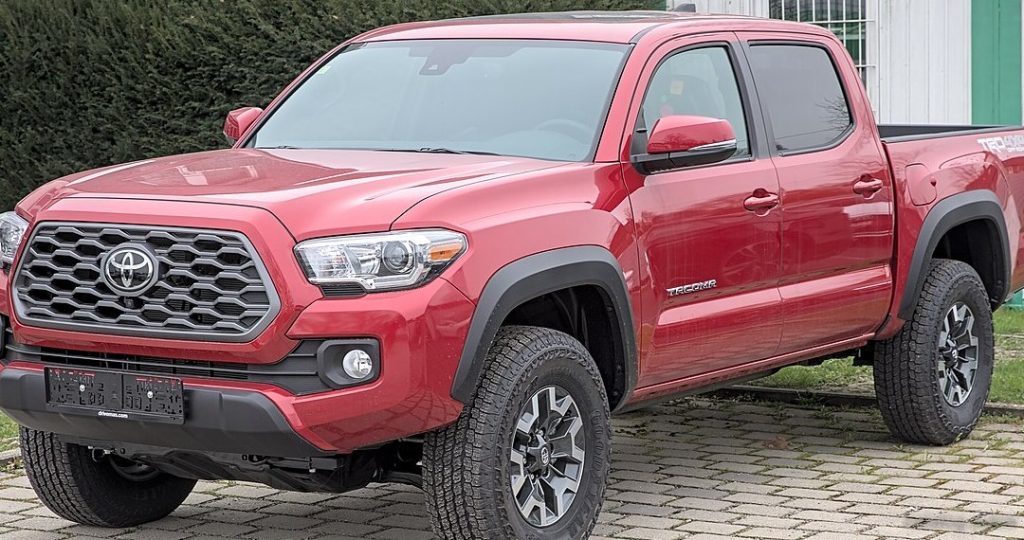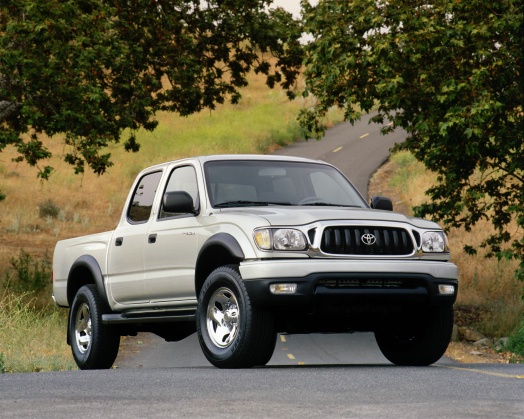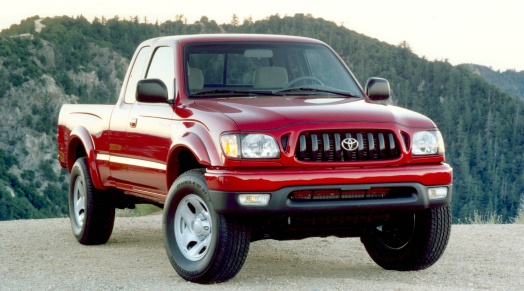
The Toyota Tacoma, particularly the first generation xTracab model produced from 2000 to 2004, represents a pivotal entry for Toyota into the highly competitive American compact pickup truck market. This facelifted version of the original Tacoma (introduced in 1995) offered a blend of rugged capability, reliability, and a more refined interior compared to its predecessors. The 2000 model year brought styling updates and mechanical refinements, solidifying the Tacoma’s reputation as a durable and versatile vehicle. While not initially conceived for the US market – the Tacoma evolved from the Hilux, a globally sold pickup – it quickly gained popularity for its off-road prowess and everyday usability, becoming a mainstay for both work and recreational purposes.
Toyota Tacoma I xTracab (Facelift 2000): A Detailed Overview
The Tacoma I xTracab facelift of 2000 marked a significant step in Toyota’s strategy to capture a larger share of the North American pickup truck segment. The xTracab configuration, featuring a small rear seat and extended cab, provided a practical compromise between the standard cab and the double cab models that would follow. This generation Tacoma was designed to appeal to buyers seeking a smaller, more fuel-efficient alternative to full-size trucks, without sacrificing the core attributes of durability and off-road capability that defined the Toyota brand.
Engine & Performance
Powering the 2000-2004 Toyota Tacoma xTracab was the 5VZ-FE 3.4-liter V6 engine. This naturally aspirated powerplant produced 190 horsepower at 4800 rpm and 298 Nm (219.79 lb.-ft.) of torque at 3600 rpm. The engine’s longitudinal front-engine layout contributed to a balanced weight distribution, enhancing handling and stability. The 5VZ-FE was known for its robust construction and longevity, a hallmark of Toyota engineering. The engine featured a multi-port fuel injection system and a double overhead camshaft (DOHC) valvetrain, optimizing combustion efficiency and power delivery. With a power-to-weight ratio of 8.4 kg/Hp, the Tacoma offered adequate acceleration for everyday driving and hauling. The engine’s 3378 cm3 displacement provided a good balance between power and fuel economy, although fuel consumption figures were typical for the era, averaging 13.8 l/100 km (17 US mpg) in urban conditions and 11.7 l/100 km (20.1 US mpg) on the highway.
Design & Features
The 2000 Toyota Tacoma xTracab was a two-door pickup truck with seating for five passengers. Its body-on-frame construction provided a solid foundation for both on-road comfort and off-road durability. The xTracab configuration featured a small rear seat, primarily intended for occasional use. The truck’s styling was functional and utilitarian, with a focus on practicality rather than outright aesthetics. Key features included a robust suspension system designed to handle rough terrain, ventilated front disc brakes and rear drum brakes providing adequate stopping power, and available four-wheel drive (4WD) for enhanced traction in challenging conditions. The Tacoma’s ride height (ground clearance) of 275 mm (10.83 in) further contributed to its off-road capability. Safety features, while limited by the standards of the time, included seatbelts and a reinforced cabin structure. The Tacoma’s relatively compact dimensions – a length of 5138 mm (202.28 in) and a width of 1689 mm (66.5 in) – made it easy to maneuver in urban environments and navigate tight trails.
Technical Specifications
| Brand | Toyota |
| Model | Tacoma |
| Generation | Tacoma I xTracab (facelift 2000) |
| Type (Engine) | 3.4 V6 (190 Hp) 4WD |
| Start of production | 2000 year |
| End of production | 2004 year |
| Powertrain Architecture | Internal Combustion engine |
| Body type | Pick-up |
| Seats | 5 |
| Doors | 2 |
| Fuel consumption (urban) | 13.8 l/100 km (17 US mpg) |
| Fuel consumption (extra urban) | 11.7 l/100 km (20.1 US mpg) |
| Fuel Type | Petrol (Gasoline) |
| Weight-to-power ratio | 8.4 kg/Hp |
| Weight-to-torque ratio | 5.3 kg/Nm |
| Power | 190 Hp @ 4800 rpm |
| Torque | 298 Nm @ 3600 rpm (219.79 lb.-ft. @ 3600 rpm) |
| Engine layout | Front, Longitudinal |
| Engine Model/Code | 5VZ-FE |
| Engine displacement | 3378 cm3 (206.14 cu. in.) |
| Number of cylinders | 6 |
| Engine configuration | V-engine |
| Cylinder Bore | 93.4 mm (3.68 in.) |
| Piston Stroke | 82.04 mm (3.23 in.) |
| Compression ratio | 9.6:1 |
| Number of valves per cylinder | 4 |
| Fuel injection system | Multi-port manifold injection |
| Engine aspiration | Naturally aspirated engine |
| Valvetrain | DOHC |
| Kerb Weight | 1594 kg (3514.17 lbs.) |
| Max. weight | 2315 kg (5103.7 lbs.) |
| Max load | 721 kg (1589.53 lbs.) |
| Fuel tank capacity | 68 l (17.96 US gal | 14.96 UK gal) |
| Length | 5138 mm (202.28 in.) |
| Width | 1689 mm (66.5 in.) |
| Height | 1715 mm (67.52 in.) |
| Wheelbase | 3096 mm (121.89 in.) |
| Front track | 1461 mm (57.52 in.) |
| Rear track | 1455 mm (57.28 in.) |
| Ride height (ground clearance) | 275 mm (10.83 in.) |
| Drive wheel | All wheel drive (4×4) |
| Number of gears and type of gearbox | 5 gears, manual transmission |
| Front brakes | Ventilated discs |
| Rear brakes | Drum |
| Tires size | 205/75 R15; 235/55 R16 |
| Wheel rims size | 15; 16 |
The Toyota Tacoma I xTracab (facelift 2000) 3.4 V6 4WD remains a popular choice among enthusiasts and those seeking a reliable and capable pickup truck. Its blend of durability, off-road prowess, and relatively compact size continues to resonate with buyers, ensuring its place as a significant vehicle in Toyota’s North American history.