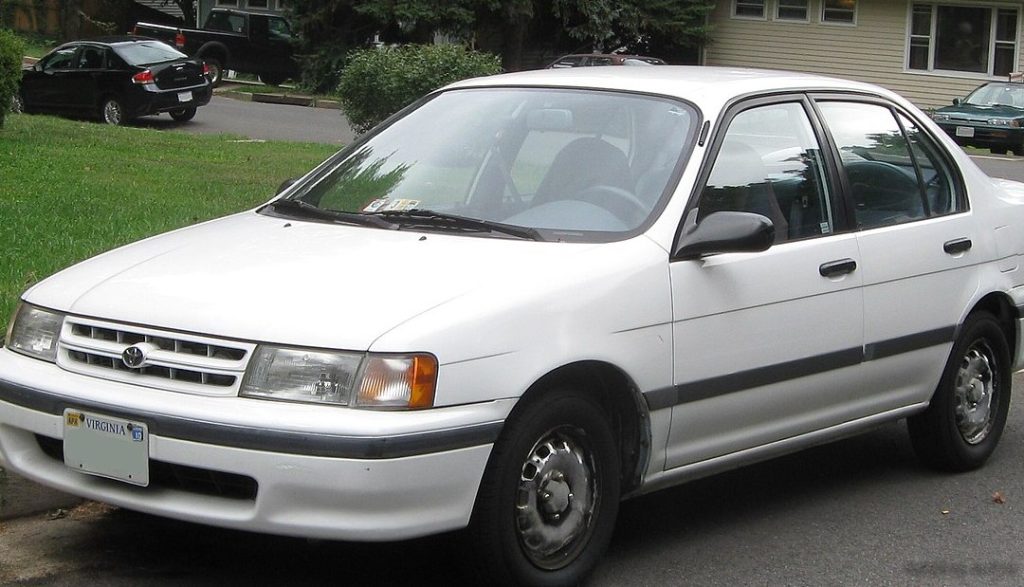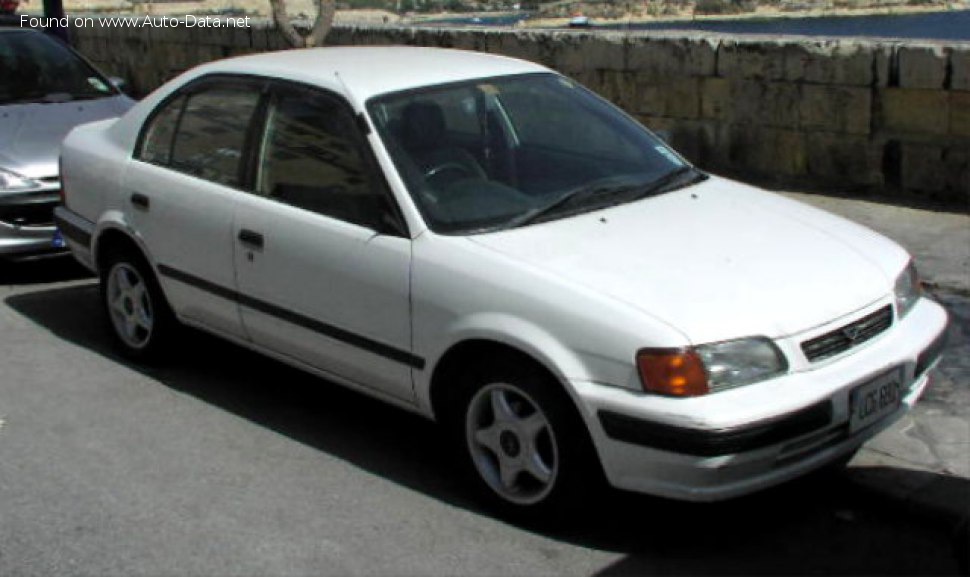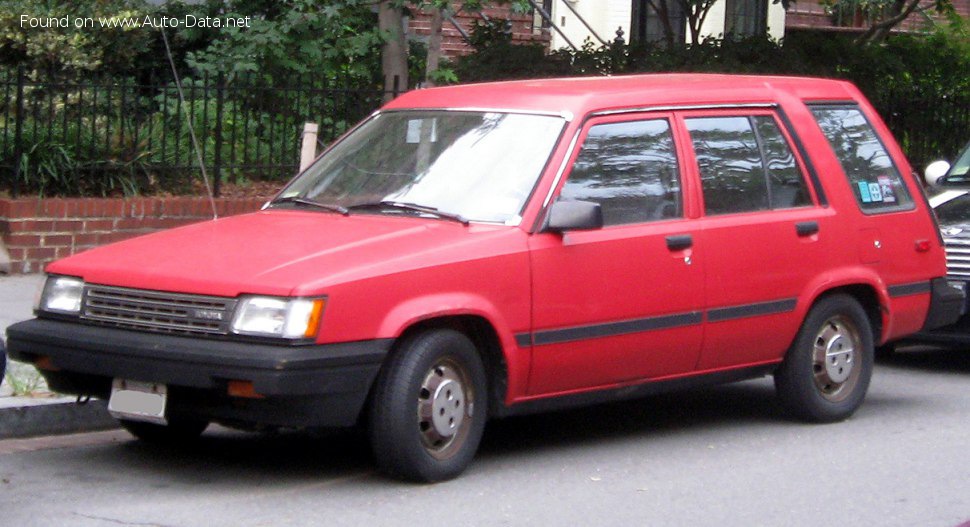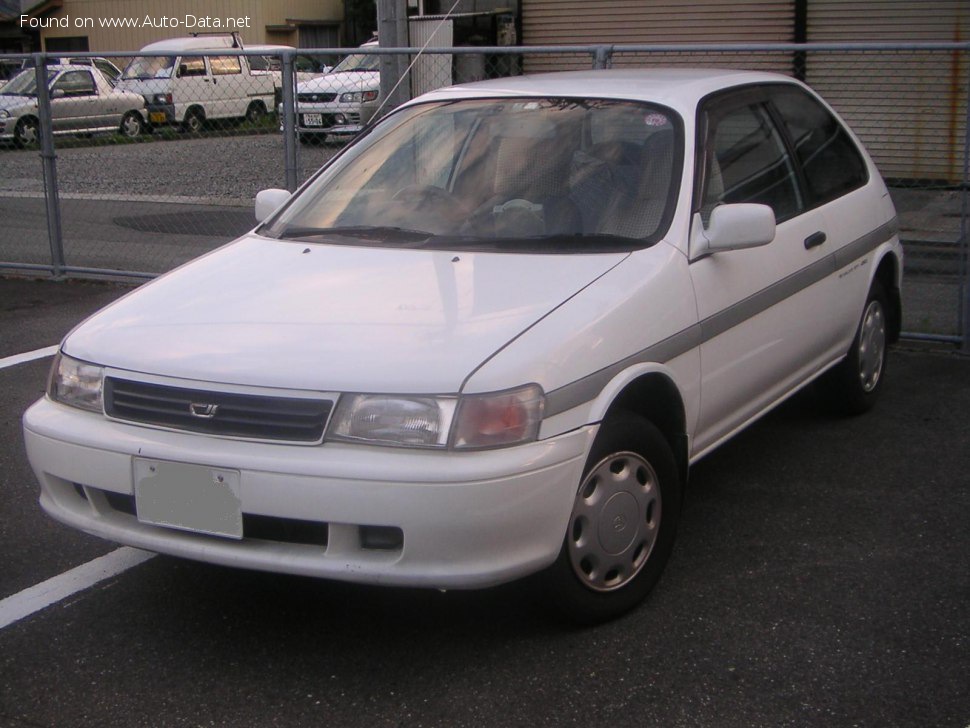
The Toyota Tercel EL41, produced between 1990 and 1993, represented the third generation of Toyota’s subcompact car. Within this generation, the 1.5i 16V VZ variant, equipped with a 1.5-liter inline-four engine producing 115 horsepower, occupied a middle ground in the Tercel lineup. It offered a step up in performance from the base models while remaining more affordable than potential future, higher-specification trims. The EL41 Tercel was built on the Toyota E platform, a versatile architecture used for several small cars during this period. This particular engine and transmission combination was primarily aimed at buyers seeking a balance of fuel efficiency, reliability, and reasonable performance in a small, practical package.
1.5i 16V VZ Engine and Powertrain Details
The heart of the 1.5i 16V VZ Tercel is the 1497 cc (91.35 cubic inches) 1E-FE inline-four cylinder engine. This engine, designated with the Toyota engine code 1E-FE, featured a multi-port fuel injection system and a double overhead camshaft (DOHC) valvetrain operating 16 valves (four per cylinder). The 9.8:1 compression ratio contributed to its respectable power output for its displacement. The engine produced 115 hp at 6600 rpm and 135 Nm (99.57 lb-ft) of torque at 3200 rpm. This configuration was a significant improvement over earlier Tercel engines, offering a more responsive driving experience.
The 1.5i 16V VZ was exclusively offered with a five-speed manual transmission during its production run. This transmission was chosen to complement the engine’s power characteristics, providing drivers with greater control and contributing to improved fuel economy. The gearbox featured typical ratios for a front-wheel-drive subcompact, prioritizing acceleration in lower gears and efficient cruising at highway speeds. The transmission’s design focused on durability and ease of maintenance, aligning with Toyota’s reputation for reliability.
Engine Architecture and Fuel System
The 1E-FE engine utilized a cast iron block with an aluminum cylinder head, a common construction method for engines of this era. The multi-port fuel injection system precisely delivered fuel to each cylinder, optimizing combustion and reducing emissions. The DOHC valvetrain allowed for more efficient cylinder filling and exhaust scavenging, contributing to the engine’s higher power output. The engine was naturally aspirated, meaning it did not employ a turbocharger or supercharger. This simplicity further enhanced its reliability and reduced maintenance requirements.
Driving Characteristics
The 1990-1993 Toyota Tercel 1.5i 16V VZ offered a noticeably more spirited driving experience compared to the base model Tercels. The 115 hp engine provided adequate acceleration for everyday driving, and the five-speed manual transmission allowed drivers to keep the engine in its optimal power band. While not a performance car, the Tercel was capable of merging onto highways and navigating city streets with relative ease. The front-wheel-drive configuration provided predictable handling, and the relatively lightweight chassis contributed to its agility.
The gear ratios in the five-speed manual transmission were well-matched to the engine’s torque curve. First gear provided brisk acceleration from a standstill, while fifth gear allowed for comfortable cruising at highway speeds. The clutch engagement was relatively light, making it easy to operate in stop-and-go traffic. Compared to larger or more powerful vehicles, the Tercel’s driving experience was characterized by its responsiveness and fuel efficiency. It was a practical and economical choice for commuters and those seeking a reliable daily driver.
Equipment and Trim Levels
The 1.5i 16V VZ Tercel typically came standard with a basic but functional set of features. Interior appointments included cloth upholstery, a simple dashboard layout, and manual windows and door locks. Standard equipment also included a basic AM/FM radio and a steering wheel. The focus was on providing essential features at an affordable price point.
Optional extras available for the 1.5i 16V VZ included upgraded audio systems, power windows, and air conditioning. Some models also offered a sunroof. The availability of these options varied depending on the market and dealer. The Tercel’s interior was designed for practicality and durability, with easy-to-clean surfaces and a focus on maximizing space within the small cabin.
Chassis and Braking
The Tercel EL41 utilized a front-wheel-drive chassis with an independent front suspension featuring wishbone components and a coil spring rear suspension. This suspension setup provided a comfortable ride quality and predictable handling. The front suspension was designed to absorb bumps and irregularities in the road, while the rear suspension helped to maintain stability during cornering.
Braking duties were handled by disc brakes on the front wheels and drum brakes on the rear wheels. An Anti-lock Braking System (ABS) was available as an option, enhancing braking performance and safety, particularly in slippery conditions. The steering system employed a rack and pinion setup, providing precise and responsive steering feel. The Tercel’s tires were typically 175/65 R14, offering a balance of grip and fuel efficiency.
Market Reception and Comparison
The 1990-1993 Toyota Tercel 1.5i 16V VZ was generally well-received by automotive critics and consumers alike. It was praised for its reliability, fuel efficiency, and affordability. The 115 hp engine provided a noticeable improvement in performance compared to the base model Tercels, making it a more appealing option for those seeking a more engaging driving experience. Fuel economy was rated at 5.4 l/100 km (43.6 US mpg, 52.3 UK mpg), making it one of the most fuel-efficient cars in its class.
Compared to other subcompact cars of the era, such as the Honda Civic and Nissan Sentra, the Tercel offered a competitive combination of features and value. While it may not have been as sporty as some of its rivals, it excelled in terms of reliability and long-term ownership costs. The Tercel’s simple design and robust construction contributed to its reputation for durability.
Technical Specifications
| Brand | Toyota |
| Model | Tercel |
| Generation | Tercel (EL41) |
| Type (Engine) | 1.5i 16V VZ (115 Hp) |
| Start of production | September, 1990 |
| End of production | 1993 |
| Powertrain Architecture | Internal Combustion engine |
| Body type | Hatchback |
| Seats | 5 |
| Doors | 3 |
| Fuel consumption (combined) | 5.4 l/100 km |
| Fuel consumption (US mpg) | 43.6 |
| Fuel consumption (UK mpg) | 52.3 |
| Fuel Type | Petrol (Gasoline) |
| Weight-to-power ratio | 7.9 kg/Hp |
| Power | 115 Hp @ 6600 rpm |
| Torque | 135 Nm @ 3200 rpm (99.57 lb.-ft. @ 3200 rpm) |
| Engine layout | Front, Transverse |
| Engine displacement | 1497 cm3 (91.35 cu. in.) |
| Number of cylinders | 4 |
| Engine configuration | Inline |
| Cylinder Bore | 74 mm (2.91 in.) |
| Piston Stroke | 87 mm (3.43 in.) |
| Compression ratio | 9.8:1 |
| Number of valves per cylinder | 4 |
| Fuel injection system | Multi-port manifold injection |
| Engine aspiration | Naturally aspirated |
| Valvetrain | DOHC |
| Kerb Weight | 910 kg (2006.21 lbs.) |
| Max. weight | 1185 kg (2612.48 lbs.) |
| Max load | 275 kg (606.27 lbs.) |
| Fuel tank capacity | 45 l (11.89 US gal | 9.9 UK gal) |
| Length | 3930 mm (154.72 in.) |
| Width | 1645 mm (64.76 in.) |
| Height | 1365 mm (53.74 in.) |
| Wheelbase | 2380 mm (93.7 in.) |
| Front track | 1400 mm (55.12 in.) |
| Rear track | 1395 mm (54.92 in.) |
| Minimum turning circle | 9 m (29.53 ft.) |
| Drivetrain Architecture | Front wheel drive |
| Number of gears | 5 |
| Gearbox type | Manual transmission |
| Front suspension | Wishbone |
| Rear suspension | Coil spring |
| Front brakes | Disc |
| Rear brakes | Drum |
| Assisting systems | ABS (optional) |
| Steering type | Steering rack and pinion |
| Tires size | 175/65 R14 |
| Wheel rims size | 14 |
Legacy
The Toyota Tercel 1.5i 16V VZ, and the EL41 generation as a whole, has earned a reputation for exceptional reliability and longevity. Many examples remain on the road today, a testament to Toyota’s engineering and build quality. The 1E-FE engine is known for its durability and relatively low maintenance costs. While parts availability may become more challenging over time, the engine’s simplicity makes it relatively easy to repair. In the used car market, these Tercels are often sought after by those looking for an affordable, dependable, and fuel-efficient vehicle. They represent a practical and economical choice for students, commuters, or anyone seeking a reliable means of transportation.