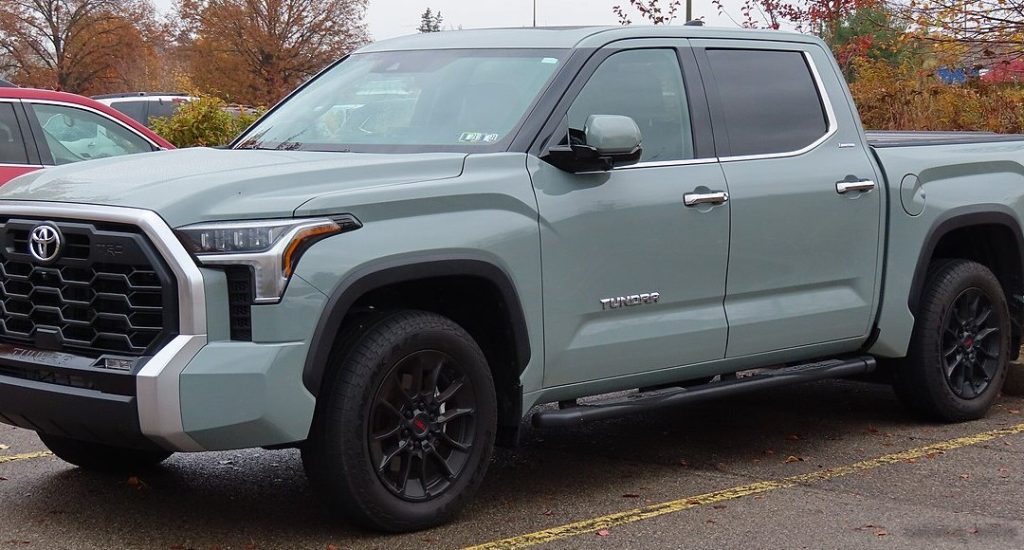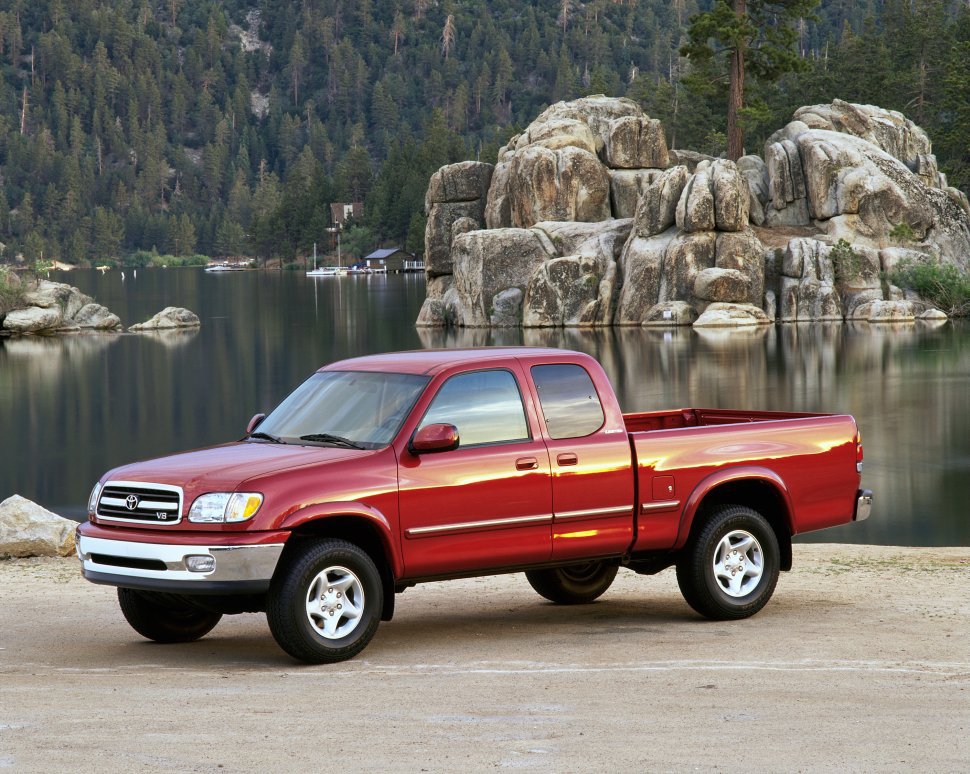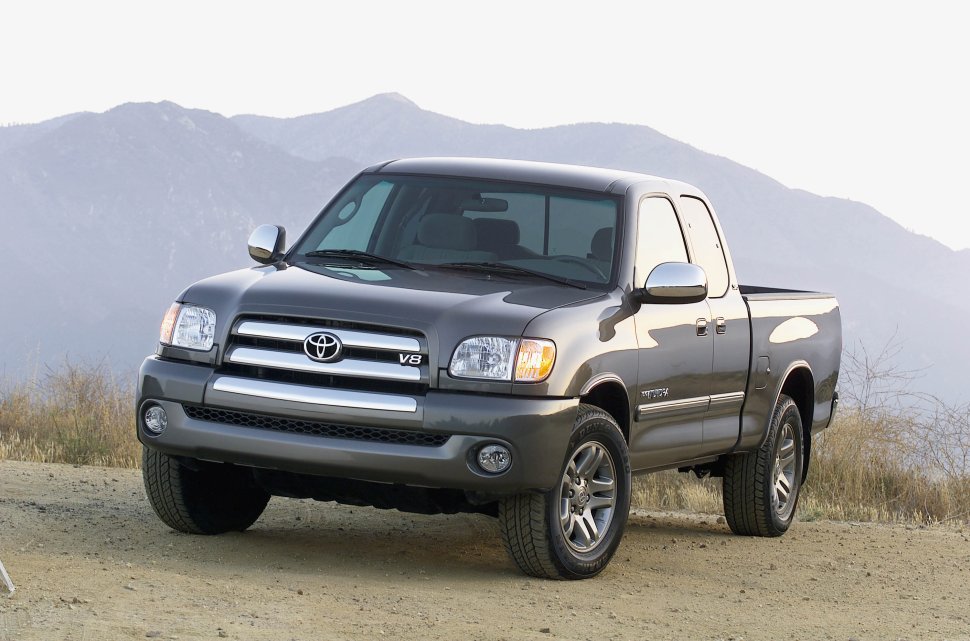
The Toyota Tundra, launched in 1999, represented Toyota’s initial foray into the full-size pickup truck market in North America. Designed specifically to appeal to American truck buyers, the Tundra aimed to offer a blend of Japanese reliability, robust construction, and competitive features. The first generation, designated the Tundra I, underwent a significant facelift in 2002, refining its styling and enhancing its capabilities. The 2002-2004 Tundra SR5 4.7i V8 4×4 Access Cab model, detailed here, was a key variant within this generation, offering a powerful V8 engine and the versatility of a four-wheel-drive system combined with the extended cab configuration.
Toyota Tundra I Access Cab (2002-2004): A Detailed Overview
The facelifted Tundra I Access Cab, produced from 2002 to 2004, built upon the foundation of the original model, addressing some early criticisms and solidifying Toyota’s position in the competitive full-size truck segment. The Access Cab configuration provided a smaller second row of seating, increasing passenger capacity and utility compared to the standard cab models. The SR5 trim level denoted a step up in features and appointments, making it a popular choice for both work and personal use. This generation of Tundra was instrumental in establishing Toyota as a serious contender in the American truck market, known for its durability and resale value.
Engine & Performance
The heart of the 2002-2004 Toyota Tundra SR5 4.7i Access Cab 4×4 is the 2UZ-FE 4.7-liter V8 engine. This naturally aspirated powerplant produces 240 horsepower at 4800 rpm and 427 Nm (314.94 lb.-ft.) of torque at 3400 rpm. The engine features a robust cast-iron block and aluminum cylinder heads, contributing to its longevity. Power is delivered through a four-speed automatic transmission (ECT – Electronically Controlled Transmission) to all four wheels via a part-time four-wheel-drive system. The weight-to-power ratio of 8.9 kg/Hp (112 Hp/tonne) and a weight-to-torque ratio of 5 kg/Nm (199.3 Nm/tonne) provide adequate performance for towing and hauling. Fuel economy is rated at 16.8 l/100 km (14 US mpg) in urban driving and 13.8 l/100 km (17 US mpg) on the highway. The engine’s displacement of 4664 cm3 (284.61 cu. in.) and a compression ratio of 9.6:1 contribute to its balance of power and reliability.
Design & Features
The 2002-2004 Tundra Access Cab is a four-door pickup truck with a bed length suitable for a variety of cargo needs. The facelift brought subtle styling updates to the front fascia, including a revised grille and headlights, giving the truck a more modern appearance. The interior offered seating for five passengers, with the Access Cab providing a small rear seat area. The SR5 trim included features such as air conditioning, power windows and locks, and an upgraded audio system. Safety features for the time included ABS (Anti-lock Braking System). The truck’s body-on-frame construction provided a solid and durable platform for both on-road comfort and off-road capability. Ground clearance of 289 mm (11.38 in) and approach/departure angles of 28°/23° enhance its off-road prowess. The Tundra’s design prioritized functionality and durability, appealing to buyers who needed a capable and reliable work truck or a versatile family vehicle.
Technical Specifications
| Brand | Toyota |
| Model | Tundra |
| Generation | Tundra I Access Cab (facelift 2002) |
| Type (Engine) | SR5 4.7i V8 (240 Hp) 4×4 Automatic |
| Start of production | 2002 |
| End of production | 2004 |
| Powertrain Architecture | Internal Combustion engine |
| Body type | Pick-up |
| Seats | 5 |
| Doors | 4 |
| Fuel consumption (urban) | 16.8 l/100 km (14 US mpg, 16.8 UK mpg) |
| Fuel consumption (extra urban) | 13.8 l/100 km (17 US mpg, 20.5 UK mpg) |
| Fuel Type | Petrol (Gasoline) |
| Weight-to-power ratio | 8.9 kg/Hp (112 Hp/tonne) |
| Weight-to-torque ratio | 5 kg/Nm (199.3 Nm/tonne) |
| Power | 240 Hp @ 4800 rpm |
| Power per litre | 51.5 Hp/l |
| Torque | 427 Nm @ 3400 rpm (314.94 lb.-ft. @ 3400 rpm) |
| Engine layout | Front, Longitudinal |
| Engine Model/Code | 2UZ-FE |
| Engine displacement | 4664 cm3 (284.61 cu. in.) |
| Number of cylinders | 8 |
| Engine configuration | V-engine |
| Cylinder Bore | 94 mm (3.7 in.) |
| Piston Stroke | 84 mm (3.31 in.) |
| Compression ratio | 9.6:1 |
| Number of valves per cylinder | 4 |
| Fuel injection system | Multi-port manifold injection |
| Engine aspiration | Naturally aspirated engine |
| Valvetrain | DOHC |
| Engine oil capacity | 6.2 l (6.55 US qt | 5.46 UK qt) |
| Coolant capacity | 11.7 l (12.36 US qt | 10.29 UK qt) |
| Kerb Weight | 2143 kg (4724.51 lbs.) |
| Max. weight | 2812 kg (6199.4 lbs.) |
| Max load | 669 kg (1474.89 lbs.) |
| Trunk (boot) space – maximum | 2625 l (92.7 cu. ft.) |
| Fuel tank capacity | 100 l (26.42 US gal | 22 UK gal) |
| Permitted trailer load with brakes (12%) | 2404 kg (5299.91 lbs.) |
| Length | 5545 mm (218.31 in.) |
| Width | 2014 mm (79.29 in.) |
| Height | 1801 mm (70.91 in.) |
| Wheelbase | 3259 mm (128.31 in.) |
| Front track | 1681 mm (66.18 in.) |
| Rear (Back) track | 1648 mm (64.88 in.) |
| Ride height (ground clearance) | 289 mm (11.38 in.) |
| Minimum turning circle (turning diameter) | 13.6 m (44.62 ft.) |
| Approach angle | 28° |
| Departure angle | 23° |
| Drive wheel | All wheel drive (4×4) |
| Number of gears and type of gearbox | 4 gears, automatic transmission ECT |
| Front suspension | Double wishbone |
| Rear suspension | Leaf spring |
| Front brakes | Ventilated discs |
| Rear brakes | Drum |
| Assisting systems | ABS (Anti-lock braking system) |
| Steering type | Steering rack and pinion |
| Tires size | 245/70 R16 |
| Wheel rims size | 7.0J x 16 |
The 2002-2004 Toyota Tundra SR5 4.7i Access Cab 4×4 remains a popular choice among truck enthusiasts due to its proven reliability, capable performance, and spacious interior. It represents a significant milestone in Toyota’s expansion into the North American truck market, laying the groundwork for the Tundra’s continued success in subsequent generations.