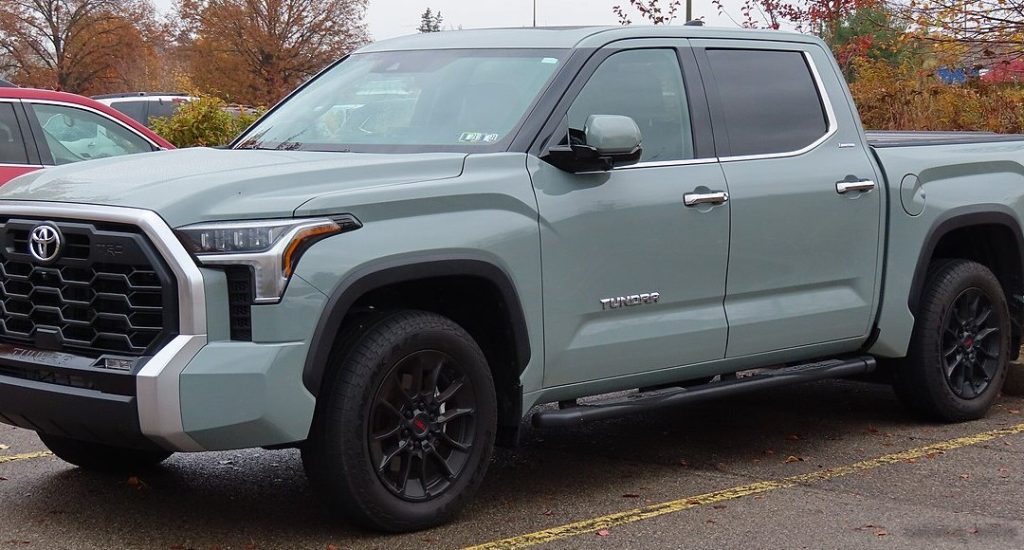
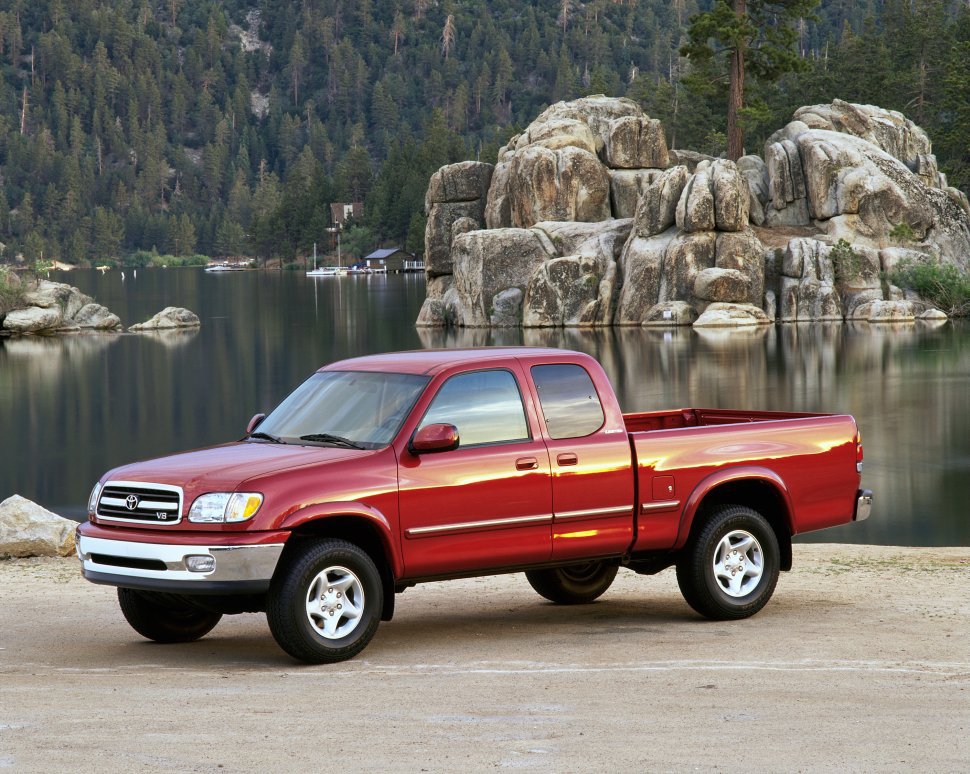
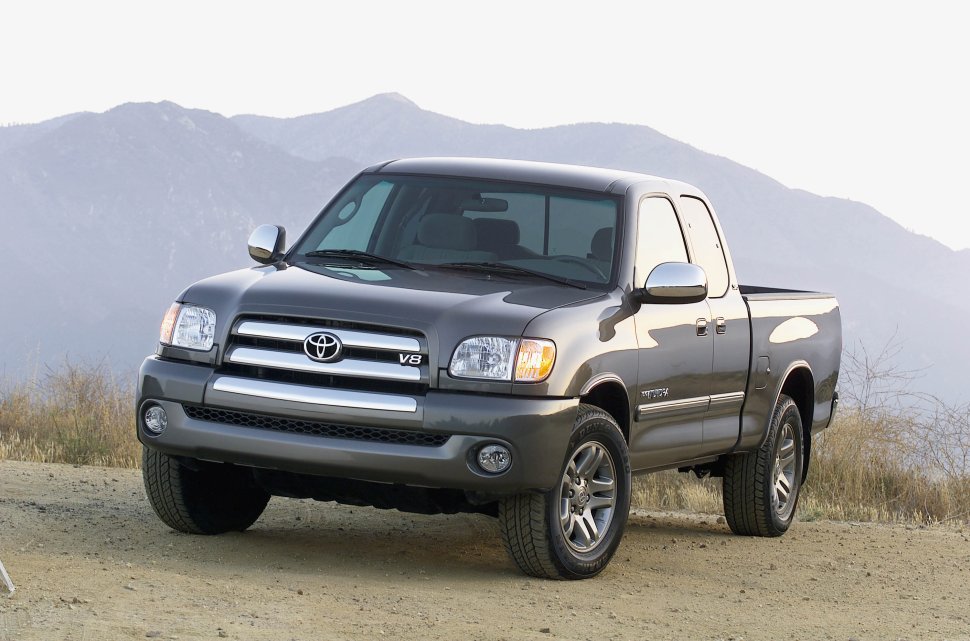
The Toyota Tundra II CrewMax 5.7 V8 32V 4×4 Automatic represents Toyota’s significant entry into the full-size pickup truck market in North America. Produced from 2006 to 2009, this second-generation Tundra was designed to compete directly with established American manufacturers like Ford, Chevrolet, and Dodge. The CrewMax configuration, specifically, offered a larger rear passenger cabin than standard crew cabs, prioritizing comfort and space alongside traditional truck capabilities. This model aimed to provide a blend of Japanese reliability, powerful performance, and American-sized utility.
Toyota Tundra II CrewMax: A Detailed Overview
The Tundra II marked a substantial departure from its predecessor, featuring a fully boxed frame, a redesigned suspension, and a more powerful engine lineup. The CrewMax body style, with its extended cab, was a key differentiator, appealing to buyers who frequently carried passengers alongside work-related cargo. The 5.7-liter V8 engine, the focus of this article, was the top-tier offering, providing substantial horsepower and torque for towing and hauling. The Tundra II aimed to establish Toyota as a serious contender in the highly competitive full-size truck segment.
Engine & Performance
At the heart of the Tundra II CrewMax 5.7 V8 4×4 is the 3UR-FE 5.7-liter V8 engine. This naturally aspirated powerplant produces 381 horsepower at 5600 rpm and 401.23 lb-ft of torque at 3600 rpm. The engine utilizes a double overhead camshaft (DOHC) valvetrain with Variable Valve Timing-intelligent (VVT-i) technology, optimizing performance and efficiency across the rev range. The 5.7L engine displaces 5663 cm3 (345.58 cubic inches) and features a bore of 94 mm (3.7 inches) and a stroke of 102 mm (4.02 inches). Power is delivered through a six-speed automatic transmission to an all-wheel-drive (4×4) system. This combination provides a weight-to-power ratio of 6.7 kg/Hp and a weight-to-torque ratio of 4.7 kg/Nm. Fuel economy is rated at 18 l/100 km (13.1 US mpg) in urban conditions and 13.8 l/100 km (17 US mpg) on the highway. The engine requires 7 liters (7.4 US quarts) of oil and 13 liters (13.74 US quarts) of coolant.
Design & Features
The Toyota Tundra II CrewMax is a four-door pickup truck designed with a focus on both utility and passenger comfort. The CrewMax configuration significantly expands the rear seat space compared to standard crew cab models, making it suitable for families or crews. The truck boasts a length of 5809 mm (228.7 inches), a width of 2030 mm (79.92 inches), and a height of 1930 mm (75.98 inches). Its wheelbase measures 3700 mm (145.67 inches), contributing to a stable ride. The suspension system utilizes a double wishbone setup at the front and leaf springs in the rear, providing a balance between ride quality and load-carrying capacity. Braking is handled by ventilated discs at the front and drums at the rear, assisted by an Anti-lock Braking System (ABS). Ground clearance is a substantial 264 mm (10.39 inches), and the truck offers approach and departure angles of 29° and 24° respectively, enhancing off-road capability. Available tire sizes include 255/70 R18, 275/65 R18, and 275/55 R20, mounted on 8.0J x 18 or 8.0J x 20 inch wheel rims. Power steering is hydraulic, providing responsive and controlled steering feel.
Technical Specifications
| Brand | Toyota |
| Model | Tundra |
| Generation | Tundra II CrewMax |
| Type (Engine) | 5.7 V8 32V (381 Hp) 4×4 Automatic |
| Start of production | 2006 |
| End of production | 2009 |
| Powertrain Architecture | Internal Combustion engine |
| Body type | Pick-up |
| Seats | 5-6 |
| Doors | 4 |
| Fuel consumption (urban) | 18 l/100 km (13.1 US mpg) |
| Fuel consumption (extra urban) | 13.8 l/100 km (17 US mpg) |
| Fuel Type | Petrol (Gasoline) |
| Weight-to-power ratio | 6.7 kg/Hp |
| Weight-to-torque ratio | 4.7 kg/Nm |
| Power | 381 Hp @ 5600 rpm |
| Torque | 544 Nm @ 3600 rpm (401.23 lb.-ft. @ 3600 rpm) |
| Engine layout | Front, Longitudinal |
| Engine Model/Code | 3UR-FE |
| Engine displacement | 5663 cm3 (345.58 cu. in.) |
| Number of cylinders | 8 |
| Engine configuration | V-engine |
| Cylinder Bore | 94 mm (3.7 in.) |
| Piston Stroke | 102 mm (4.02 in.) |
| Number of valves per cylinder | 4 |
| Fuel injection system | Multi-port manifold injection |
| Engine aspiration | Naturally aspirated engine |
| Valvetrain | DOHC, VVT-i |
| Engine oil capacity | 7 l (7.4 US qt | 6.16 UK qt) |
| Coolant | 13 l (13.74 US qt | 11.44 UK qt) |
| Kerb Weight | 2545 kg (5610.76 lbs.) |
| Max. weight | 3266 kg (7200.3 lbs.) |
| Max load | 721 kg (1589.53 lbs.) |
| Fuel tank capacity | 100 l (26.42 US gal | 22 UK gal) |
| Permitted trailer load with brakes (12%) | 3674 kg (8099.78 lbs.) |
| Length | 5809 mm (228.7 in.) |
| Width | 2030 mm (79.92 in.) |
| Height | 1930 mm (75.98 in.) |
| Wheelbase | 3700 mm (145.67 in.) |
| Front track | 1725 mm (67.91 in.) |
| Rear track | 1725 mm (67.91 in.) |
| Ride height (ground clearance) | 264 mm (10.39 in.) |
| Approach angle | 29° |
| Departure angle | 24° |
| Drive wheel | All wheel drive (4×4) |
| Number of gears | 6 |
| Gearbox type | Automatic transmission |
| Front suspension | Double wishbone |
| Rear suspension | Leaf spring |
| Front brakes | Ventilated discs |
| Rear brakes | Drum |
| Assisting systems | ABS (Anti-lock braking system) |
| Steering type | Steering rack and pinion |
| Power steering | Hydraulic Steering |
| Tires size | 255/70 R18; 275/65 R18; 275/55 R20 |
| Wheel rims size | 8.0J x 18; 8.0J x 20 |
The Toyota Tundra II CrewMax 5.7 V8 4×4 Automatic, while discontinued in 2009, remains a popular choice in the used truck market. Its combination of power, space, and Toyota’s reputation for reliability continues to appeal to buyers seeking a capable and comfortable full-size pickup.