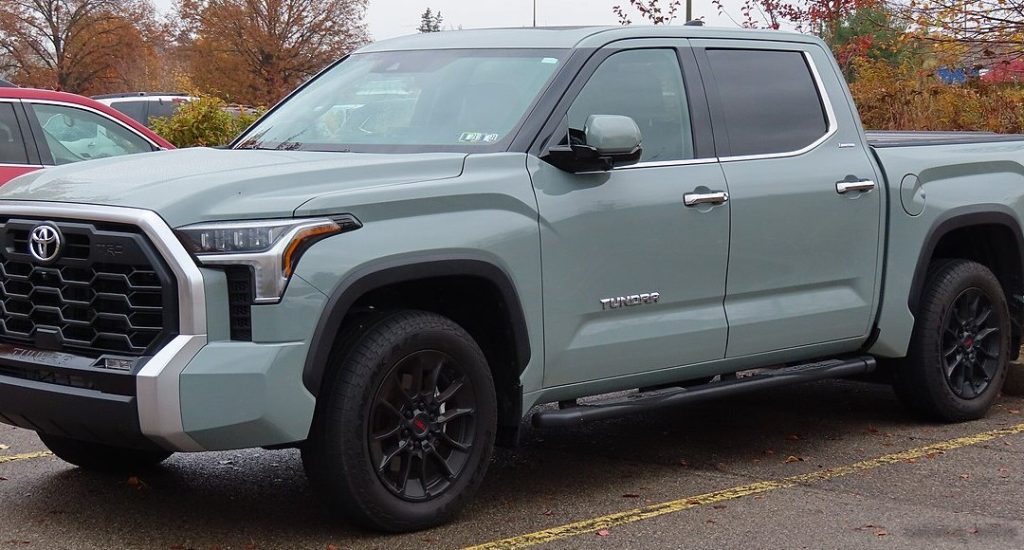
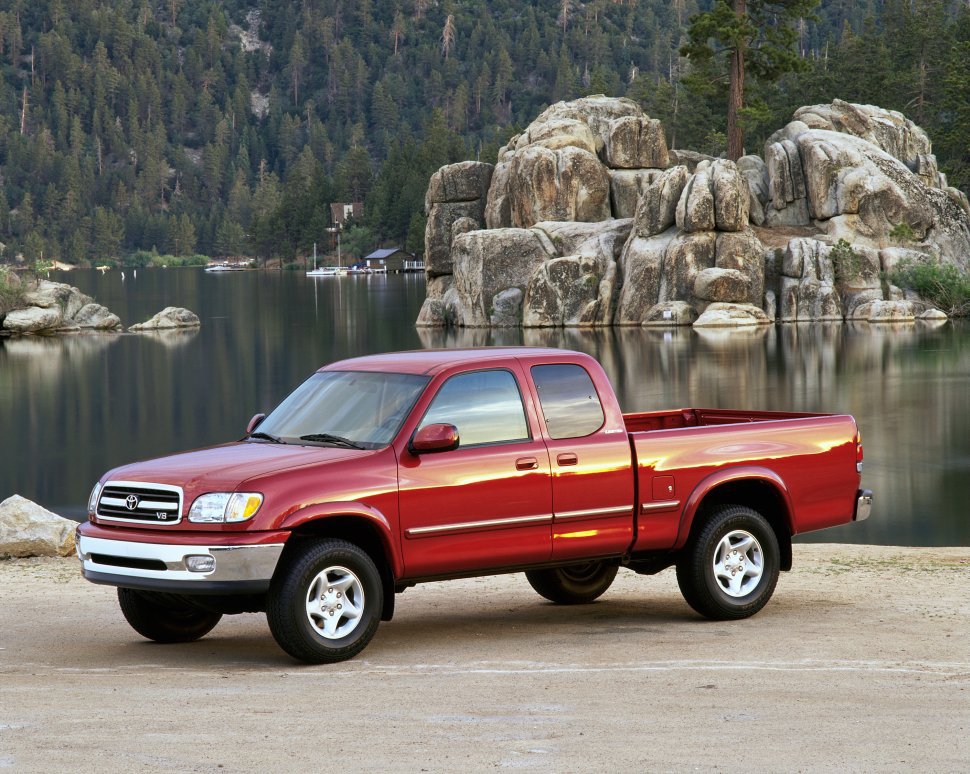
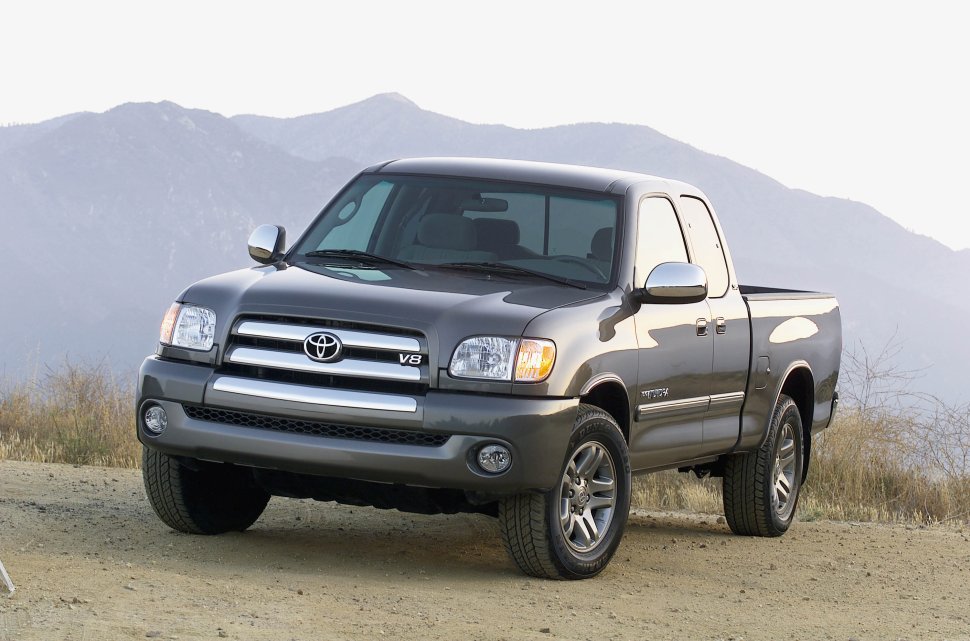
The Toyota Tundra II CrewMax, particularly the facelifted version released in 2017, represents Toyota’s significant offering in the full-size pickup truck segment. Designed primarily for the North American market, the Tundra aimed to compete with established domestic brands like Ford, Chevrolet, and Ram. The CrewMax configuration specifically prioritizes rear passenger space, making it a popular choice for families and those needing a comfortable cabin alongside substantial hauling and towing capabilities. The 2017 facelift brought updated styling, enhanced features, and refinements to the 4.6-liter V8 engine, solidifying the Tundra’s position as a reliable and capable workhorse.
Toyota Tundra II CrewMax (2017 Facelift): Overview
The Tundra II generation, launched in 2007, marked a substantial departure for Toyota in the full-size truck arena. The 2017 facelift focused on improving the truck’s appeal through cosmetic updates and technological enhancements. While not a complete redesign, the changes were enough to keep the Tundra competitive. The CrewMax body style, characterized by its extended cab, offered a spacious interior, differentiating it from the standard and Double Cab configurations. The 4.6-liter V8 engine option, paired with a six-speed automatic transmission and four-wheel drive, provided a balance of power and efficiency for a wide range of tasks.
Engine & Performance
The heart of the 2017 Toyota Tundra II CrewMax 4×4 is the 1UR-FE 4.6-liter V8 engine. This naturally aspirated powerplant produces 310 horsepower at 5600 rpm and 443 Nm (326.74 lb.-ft.) of torque at 3400 rpm. The engine features a dual independent variable valve timing system (Dual VVT-i) and multi-port fuel injection, contributing to its responsiveness and relatively smooth operation. The engine’s longitudinal front-mounted layout directs power through a six-speed automatic transmission with ECT-i (Electronic Controlled Transmission – intelligent) technology, optimizing shift points for various driving conditions. The four-wheel-drive system provides enhanced traction in challenging terrain. The weight-to-power ratio of 8.1 kg/Hp and a weight-to-torque ratio of 5.7 kg/Nm demonstrate a reasonable balance between engine output and vehicle mass. Fuel economy figures are rated at 14.7 l/100 km combined (16 US mpg, 19.2 UK mpg), with 16.8 l/100 km (14 US mpg, 16.8 UK mpg) in urban settings and 13.1 l/100 km (18 US mpg, 21.6 UK mpg) on the highway.
Design & Features
The 2017 Tundra II CrewMax maintains the robust and functional design language of the second-generation Tundra. As a pick-up truck, it features a four-door cabin and a separate cargo bed. The CrewMax configuration is notable for its exceptionally spacious rear seating, making it suitable for carrying passengers comfortably on long journeys. The exterior styling received subtle updates with the facelift, including a revised grille, headlights, and bumper. Inside, the cabin features a functional layout with durable materials. Standard features typically include air conditioning, power windows and locks, and a basic audio system. Higher trim levels offer amenities such as leather upholstery, a premium sound system, navigation, and advanced safety technologies. Safety features included ABS (Anti-lock Braking System) and ventilated disc brakes on all four wheels. The Tundra’s ride height provides a ground clearance of 259 mm (10.2 inches), enhancing its off-road capability. The drag coefficient of 0.37 is typical for a full-size pickup truck.
Technical Specifications
| Brand | Toyota |
| Model | Tundra |
| Generation | Tundra II CrewMax (facelift 2017) |
| Type (Engine) | 4.6 V8 (310 Hp) 4×4 ECT-i |
| Start of production | 2017 |
| End of production | 2019 |
| Powertrain Architecture | Internal Combustion engine |
| Body type | Pick-up |
| Seats | 5 |
| Doors | 4 |
| Fuel consumption (urban) | 16.8 l/100 km (14 US mpg, 16.8 UK mpg) |
| Fuel consumption (extra urban) | 13.1 l/100 km (18 US mpg, 21.6 UK mpg) |
| Fuel consumption (combined) | 14.7 l/100 km (16 US mpg, 19.2 UK mpg) |
| Fuel Type | Petrol (Gasoline) |
| Emission standard | LEV 2 ULEV I |
| Weight-to-power ratio | 8.1 kg/Hp |
| Weight-to-torque ratio | 5.7 kg/Nm |
| Power | 310 Hp @ 5600 rpm |
| Torque | 443 Nm @ 3400 rpm (326.74 lb.-ft. @ 3400 rpm) |
| Engine layout | Front, Longitudinal |
| Engine Model/Code | 1UR-FE |
| Engine displacement | 4608 cm3 (281.2 cu. in.) |
| Number of cylinders | 8 |
| Engine configuration | V-engine |
| Cylinder Bore | 94 mm (3.7 in.) |
| Piston Stroke | 83 mm (3.27 in.) |
| Compression ratio | 10.2:1 |
| Number of valves per cylinder | 4 |
| Fuel injection system | Multi-port manifold injection |
| Engine aspiration | Naturally aspirated engine |
| Valvetrain | DOHC, Dual VVT-i |
| Engine oil capacity | 7.5 l (7.93 US qt | 6.6 UK qt) |
| Coolant capacity | 12.1 l (12.79 US qt | 10.65 UK qt) |
| Kerb Weight | 2522 kg (5560.06 lbs.) |
| Max. weight | 3175-3266 kg (6999.68 – 7200.3 lbs.) |
| Max load | 653-744 kg (1439.62 – 1640.24 lbs.) |
| Fuel tank capacity | 100 l (26.42 US gal | 22 UK gal) |
| Permitted trailer load with brakes (12%) | 4445 kg (9799.55 lbs.) |
| Permitted towbar download | 445 kg (981.06 lbs.) |
| Length | 5814 mm (228.9 in.) |
| Width | 2029 mm (79.88 in.) |
| Height | 1925 mm (75.79 in.) |
| Wheelbase | 3701 mm (145.71 in.) |
| Front track | 1725 mm (67.91 in.) |
| Rear track | 1725 mm (67.91 in.) |
| Ride height (ground clearance) | 259 mm (10.2 in.) |
| Drag coefficient (Cd) | 0.37 |
| Approach angle | 26° |
| Departure angle | 16° |
| Drivetrain Architecture | All wheel drive (4×4). ICE drives rear wheels, front wheels engaged via clutch. |
| Number of gears | 6 |
| Type of gearbox | Automatic transmission ECT-i |
| Front suspension | Double wishbone, Transverse stabilizer |
| Rear suspension | Rigid axle suspension, Leaf spring |
| Front brakes | Ventilated discs |
| Rear brakes | Ventilated discs |
| Steering type | Steering rack and pinion |
| Power steering | Hydraulic Steering |
| Tires size | 255/70 R18 |
| Wheel rims size | 8J x 18 |