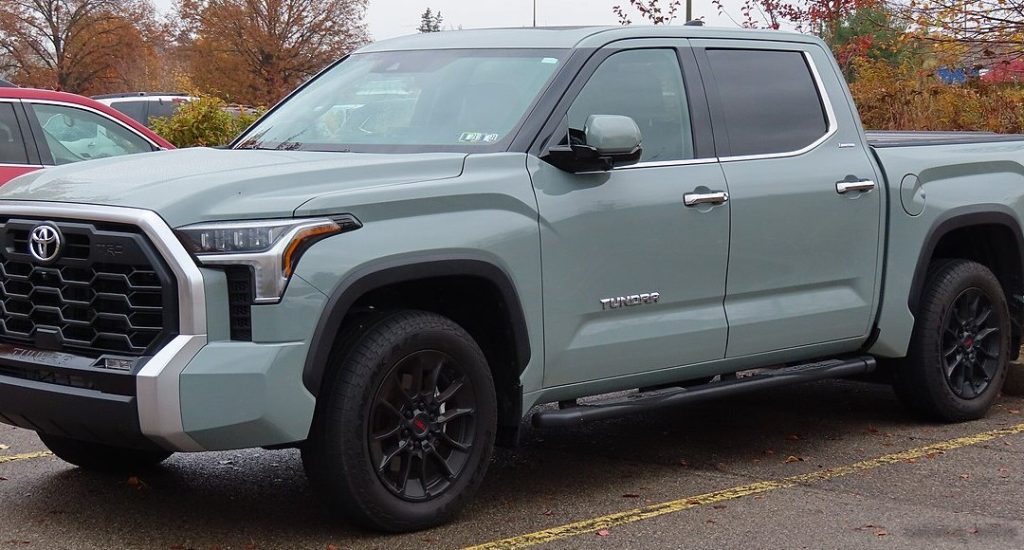
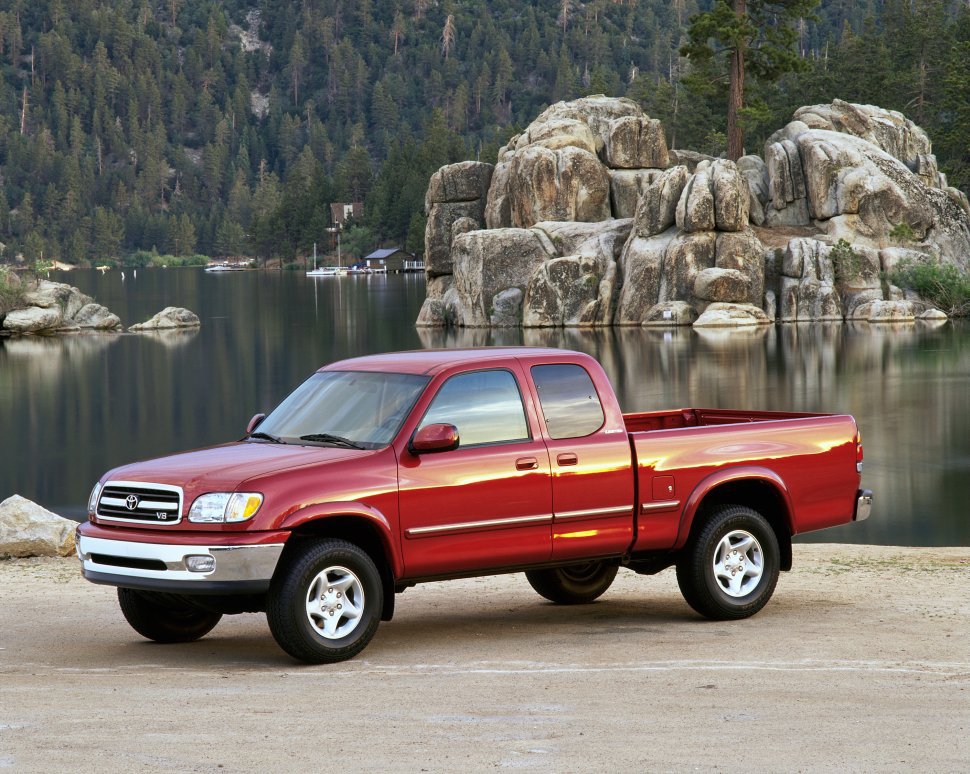
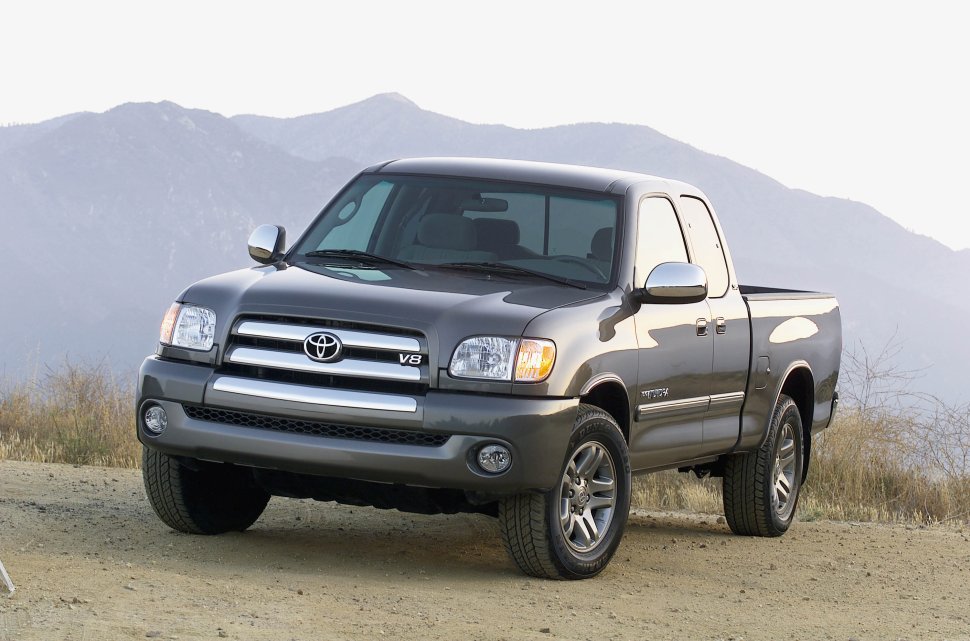
The Toyota Tundra II CrewMax, specifically the facelifted version produced from 2010 to 2013, represents Toyota’s second-generation full-size pickup truck. Introduced initially in 2007, the Tundra was designed to directly compete with established American manufacturers like Ford, Chevrolet, and Dodge. The 2010 facelift brought cosmetic and minor mechanical updates, aiming to enhance the Tundra’s appeal in the highly competitive North American truck market. The CrewMax configuration, with its extended cab, prioritized rear passenger space, making it a popular choice for families and those needing a versatile work and personal vehicle. This model, equipped with the 4.6-liter V8 engine and four-wheel drive, offered a balance of power, capability, and comfort.
Toyota Tundra II CrewMax: A Detailed Overview
The Tundra II CrewMax was Toyota’s attempt to establish a significant foothold in the full-size pickup segment. Prior to the Tundra, Toyota’s trucks were often seen as smaller, more compact alternatives. The second-generation Tundra was larger, more powerful, and specifically engineered to meet the demands of American truck buyers. The CrewMax body style distinguished itself with a spacious rear cabin, offering legroom comparable to many full-size sedans. This made the Tundra a viable option for those who frequently transported passengers alongside work-related cargo. The 2010 facelift refined the exterior styling and addressed some minor customer feedback, solidifying the Tundra’s position as a serious contender.
Engine & Performance
The heart of the 2010-2013 Toyota Tundra II CrewMax, as configured here, is the 1UR-FE 4.6-liter V8 engine. This naturally aspirated powerplant produces 310 horsepower at 5600 rpm and 460 Nm (339.28 lb.-ft.) of torque at 3400 rpm. The engine features a double overhead camshaft (DOHC) valvetrain with Variable Valve Timing-intelligent (VVT-i) technology, optimizing performance and fuel efficiency. The 4.6L engine delivers 67.3 horsepower per liter. Power is delivered to all four wheels through a six-speed automatic transmission, providing smooth and responsive shifting. The weight-to-power ratio of 8.1 kg/Hp and a weight-to-torque ratio of 5.5 kg/Nm contribute to respectable acceleration and towing capabilities. Fuel economy is rated at 16.8 l/100 km (14 US mpg) in urban driving and 12.3 l/100 km (19.1 US mpg) in extra-urban conditions.
Design & Features
The Toyota Tundra II CrewMax is a four-door pickup truck designed with a focus on both utility and passenger comfort. The CrewMax configuration features an extended cab, providing ample space for up to six occupants. The exterior styling of the 2010 facelift included revised front fascia elements, such as the grille and headlights, giving the truck a more modern and aggressive appearance. The interior was designed with durability and functionality in mind, utilizing high-quality materials and a user-friendly layout. Standard features typically included air conditioning, power windows and locks, and a basic audio system. Higher trim levels offered amenities such as leather upholstery, a premium sound system, navigation, and advanced safety features. The truck’s robust construction and four-wheel-drive system made it capable of handling a variety of terrains and towing substantial loads. Safety features included ABS (Anti-lock Braking System) and ventilated disc brakes on all four wheels.
Technical Specifications
| Brand | Toyota |
| Model | Tundra |
| Generation | Tundra II CrewMax (facelift 2010) |
| Type (Engine) | 4.6 V8 32V (310 Hp) 4×4 Automatic |
| Start of production | 2010 |
| End of production | 2013 |
| Powertrain Architecture | Internal Combustion engine |
| Body type | Pick-up |
| Seats | 5-6 |
| Doors | 4 |
| Fuel consumption (urban) | 16.8 l/100 km (14 US mpg) |
| Fuel consumption (extra urban) | 12.3 l/100 km (19.1 US mpg) |
| Fuel Type | Petrol (Gasoline) |
| Weight-to-power ratio | 8.1 kg/Hp |
| Weight-to-torque ratio | 5.5 kg/Nm |
| Power | 310 Hp @ 5600 rpm |
| Power per litre | 67.3 Hp/l |
| Torque | 460 Nm @ 3400 rpm (339.28 lb.-ft. @ 3400 rpm) |
| Engine layout | Front, Longitudinal |
| Engine Model/Code | 1UR-FE |
| Engine displacement | 4608 cm3 (281.2 cu. in.) |
| Number of cylinders | 8 |
| Engine configuration | V-engine |
| Cylinder Bore | 94 mm (3.7 in.) |
| Piston Stroke | 83 mm (3.27 in.) |
| Compression ratio | 10.2:1 |
| Number of valves per cylinder | 4 |
| Fuel injection system | Multi-port manifold injection |
| Engine aspiration | Naturally aspirated engine |
| Valvetrain | DOHC, VVT-i |
| Engine oil capacity | 7.5 l (7.93 US qt | 6.6 UK qt) |
| Coolant capacity | 12.1 l (12.79 US qt | 10.65 UK qt) |
| Kerb Weight | 2517 kg (5549.04 lbs.) |
| Max. weight | 3175 kg (6999.68 lbs.) |
| Max load | 658 kg (1450.64 lbs.) |
| Fuel tank capacity | 100 l (26.42 US gal | 22 UK gal) |
| Permitted trailer load with brakes (12%) | 3039 kg (6699.85 lbs.) |
| Length | 5809 mm (228.7 in.) |
| Width | 2029 mm (79.88 in.) |
| Height | 1930 mm (75.98 in.) |
| Wheelbase | 3700 mm (145.67 in.) |
| Front track | 1725 mm (67.91 in.) |
| Rear track | 1725 mm (67.91 in.) |
| Ride height (ground clearance) | 264 mm (10.39 in.) |
| Minimum turning circle | 13.4 m (43.96 ft.) |
| Drive wheel | All wheel drive (4×4) |
| Number of gears | 6 |
| Gearbox type | Automatic transmission |
| Front suspension | Double wishbone |
| Rear suspension | Leaf spring |
| Front brakes | Ventilated discs |
| Rear brakes | Ventilated discs |
| Assisting systems | ABS (Anti-lock braking system) |
| Steering type | Steering rack and pinion |
| Power steering | Hydraulic Steering |
| Tires size | 255/70 R18 |
| Wheel rims size | 8.0J x 18 |