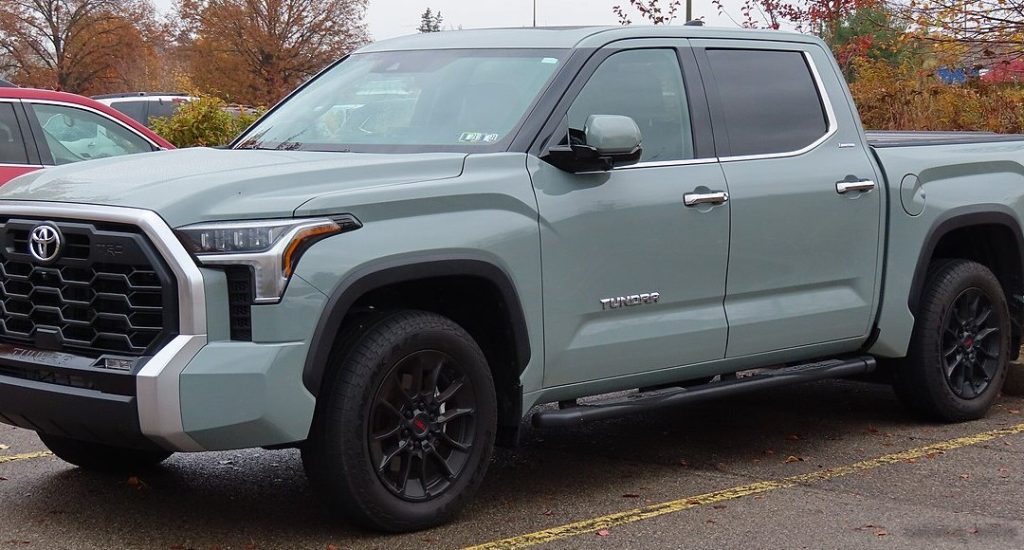
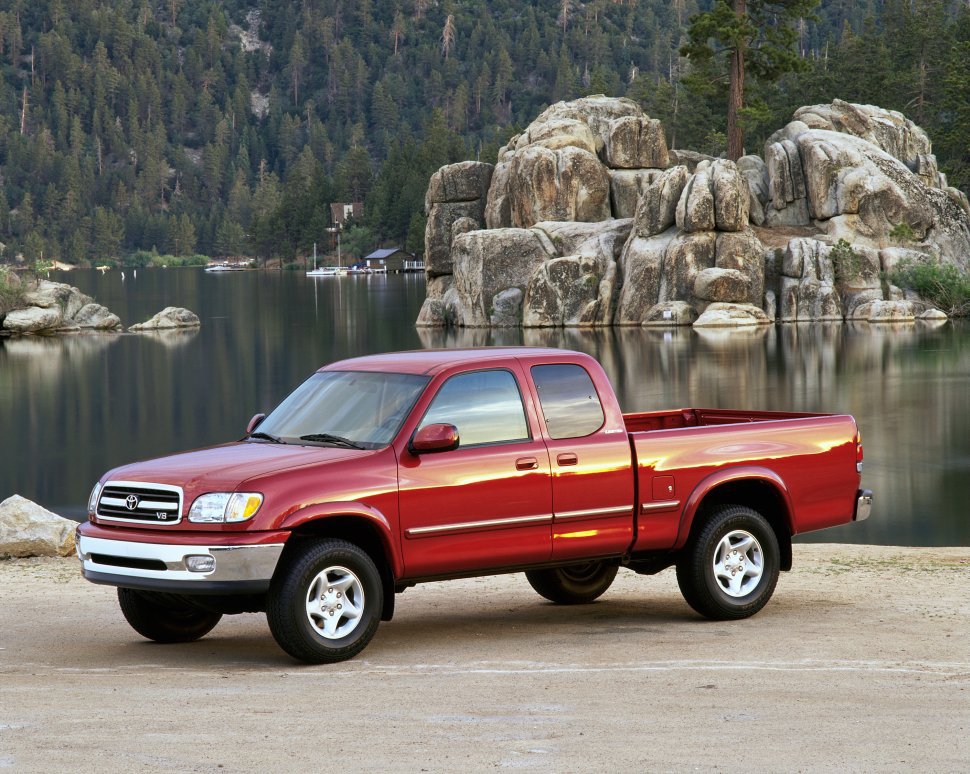
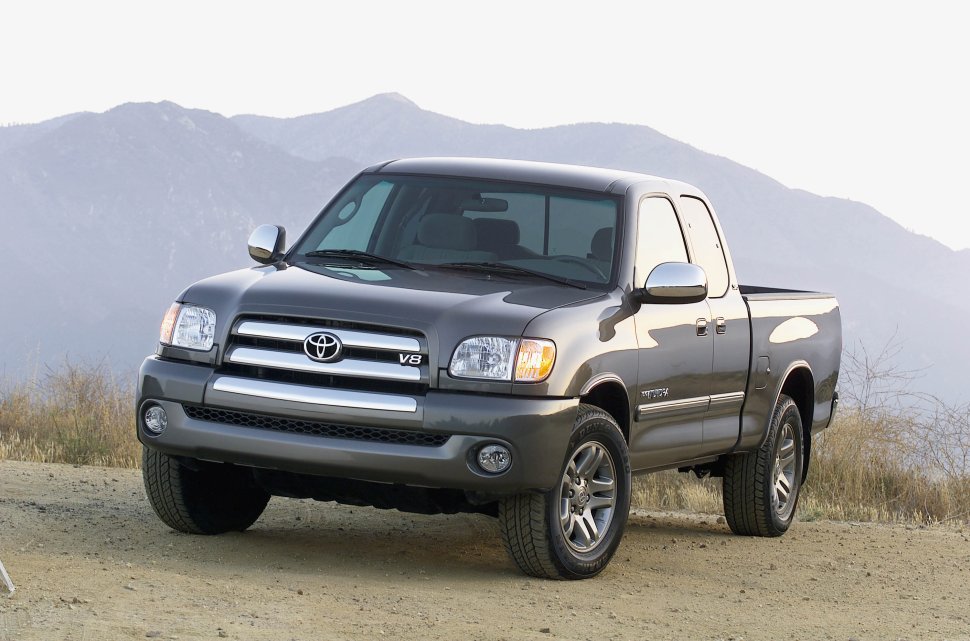
The Toyota Tundra II CrewMax, specifically the facelifted version produced from 2010 to 2013, represents Toyota’s significant entry into the full-size pickup truck market in North America. Designed to compete with established American manufacturers like Ford, Chevrolet, and Dodge (now Ram), the Tundra aimed to offer a blend of reliability, capability, and comfort. The CrewMax configuration, with its extended cab, prioritized rear passenger space, making it a popular choice for families and those needing to transport both passengers and cargo. This generation of Tundra marked a substantial increase in size and capability compared to its predecessor, solidifying Toyota’s commitment to the American truck buyer.
Toyota Tundra II CrewMax (2010-2013): A Detailed Overview
The 2010-2013 facelift brought subtle but important updates to the second-generation Tundra, enhancing its appeal and addressing some initial criticisms. These changes included revised front-end styling, interior refinements, and improvements to the available features. The Tundra II CrewMax continued to be offered with a range of engine options, but the 5.7-liter V8 became the flagship powertrain, delivering substantial power and towing capacity. Positioned as a premium full-size pickup, the Tundra CrewMax targeted buyers who desired a robust and dependable truck without sacrificing interior space or comfort.
Engine & Performance
The heart of the 2010-2013 Toyota Tundra II CrewMax, as featured here, is the 3UR-FE 5.7-liter V8 engine. This naturally aspirated powerplant produces 381 horsepower at 5,600 rpm and 401.23 lb-ft of torque at 3,600 rpm. The engine’s configuration is a 90-degree V8 with 32 valves (4 valves per cylinder) operated by a Double Overhead Camshaft (DOHC) system and Toyota’s Variable Valve Timing-intelligent (VVT-i) technology. This combination optimizes performance and efficiency across a broad range of engine speeds. The 5.7L engine is longitudinally mounted in the chassis. Power is delivered through a robust 6-speed automatic transmission to an all-wheel-drive (4×4) system. This drivetrain configuration provides excellent traction and capability in various driving conditions. The weight-to-power ratio of 6.7 kg/Hp and a weight-to-torque ratio of 4.7 kg/Nm demonstrate the engine’s ability to move the substantial weight of the CrewMax body style effectively. Fuel economy is rated at approximately 13.1 US mpg in urban driving and 17 US mpg on the highway, reflecting the inherent trade-offs associated with a large displacement V8 engine.
Design & Features
The Toyota Tundra II CrewMax is a four-door pickup truck designed with a focus on interior space and passenger comfort. The CrewMax configuration features an extended cab, providing ample legroom and headroom for rear passengers. The body-on-frame construction contributes to the truck’s durability and towing capacity. The 2010 facelift included styling updates to the front grille, headlights, and bumper, giving the Tundra a more modern and aggressive appearance. Inside, the CrewMax offered a range of features, including comfortable seating, a user-friendly infotainment system, and available amenities like leather upholstery, navigation, and a premium sound system. Safety features were also a priority, with standard equipment including Anti-lock Braking System (ABS) and a comprehensive airbag system. The truck’s dimensions – a length of 5809 mm (228.7 in), a width of 2029 mm (79.88 in), and a height of 1930 mm (75.98 in) – reflect its full-size stature. A key feature is its substantial towing capacity, rated at 3674 kg (8099.78 lbs) with brakes, making it suitable for hauling trailers, boats, and other heavy loads. The ride height (ground clearance) of 264 mm (10.39 in) provides good off-road capability.
Technical Specifications
| Brand | Toyota |
| Model | Tundra |
| Generation | Tundra II CrewMax (facelift 2010) |
| Type (Engine) | 5.7 V8 32V (381 Hp) 4×4 Automatic |
| Start of production | 2010 |
| End of production | 2013 |
| Powertrain Architecture | Internal Combustion engine |
| Body type | Pick-up |
| Seats | 5-6 |
| Doors | 4 |
| Fuel consumption (urban) | 18 l/100 km (13.1 US mpg) |
| Fuel consumption (extra urban) | 13.8 l/100 km (17 US mpg) |
| Fuel Type | Petrol (Gasoline) |
| Weight-to-power ratio | 6.7 kg/Hp |
| Weight-to-torque ratio | 4.7 kg/Nm |
| Power | 381 Hp @ 5600 rpm |
| Torque | 544 Nm @ 3600 rpm (401.23 lb.-ft. @ 3600 rpm) |
| Engine layout | Front, Longitudinal |
| Engine Model/Code | 3UR-FE |
| Engine displacement | 5663 cm3 (345.58 cu. in.) |
| Number of cylinders | 8 |
| Engine configuration | V-engine |
| Cylinder Bore | 94 mm (3.7 in.) |
| Piston Stroke | 102 mm (4.02 in.) |
| Compression ratio | 10.2:1 |
| Number of valves per cylinder | 4 |
| Fuel injection system | Multi-port manifold injection |
| Engine aspiration | Naturally aspirated engine |
| Valvetrain | DOHC, VVT-i |
| Kerb Weight | 2551 kg (5623.99 lbs.) |
| Max. weight | 3266 kg (7200.3 lbs.) |
| Max load | 715 kg (1576.31 lbs.) |
| Fuel tank capacity | 100 l (26.42 US gal) |
| Permitted trailer load with brakes (12%) | 3674 kg (8099.78 lbs.) |
| Length | 5809 mm (228.7 in.) |
| Width | 2029 mm (79.88 in.) |
| Height | 1930 mm (75.98 in.) |
| Wheelbase | 3700 mm (145.67 in.) |
| Front track | 1725 mm (67.91 in.) |
| Rear track | 1725 mm (67.91 in.) |
| Ride height (ground clearance) | 264 mm (10.39 in.) |
| Minimum turning circle | 13.4 m (43.96 ft.) |
| Drive wheel | All wheel drive (4×4) |
| Number of gears | 6 |
| Gearbox type | Automatic transmission |
| Front suspension | Double wishbone |
| Rear suspension | Leaf spring |
| Front brakes | Ventilated discs |
| Rear brakes | Ventilated discs |
| Assisting systems | ABS (Anti-lock braking system) |
| Steering type | Steering rack and pinion |
| Power steering | Hydraulic Steering |
| Tires size | 255/70 R18 |
| Wheel rims size | 8.0J x 18 |