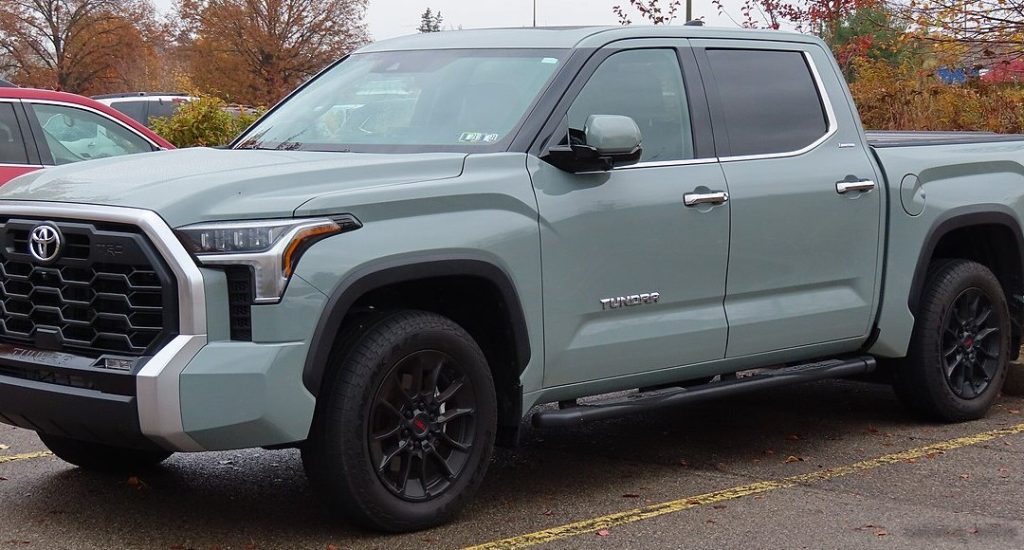
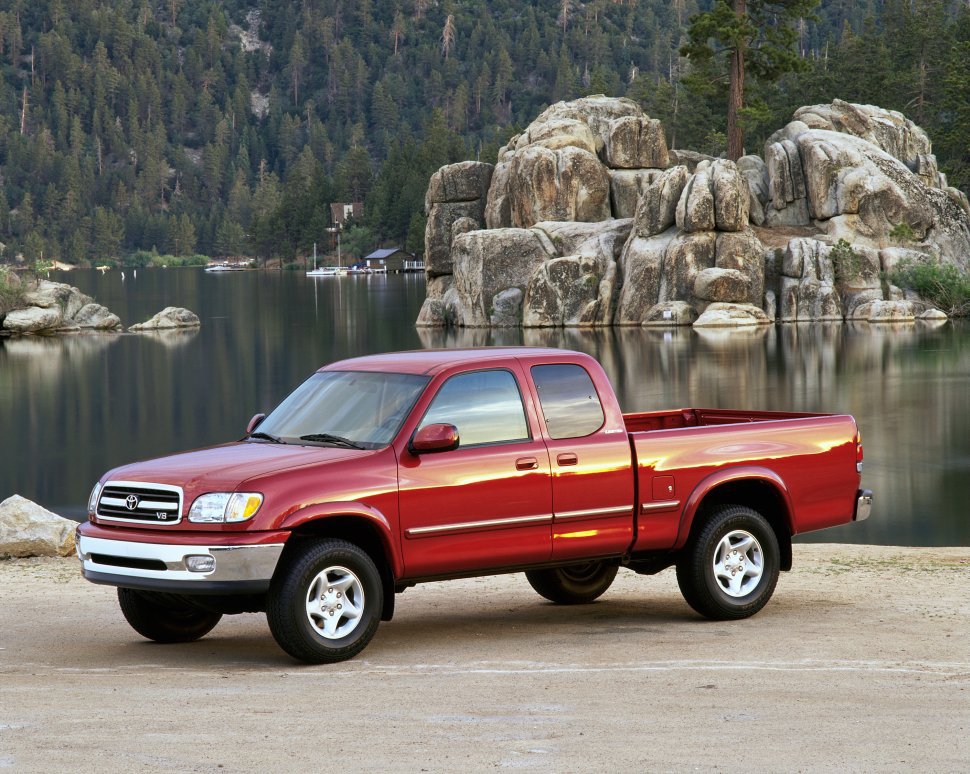
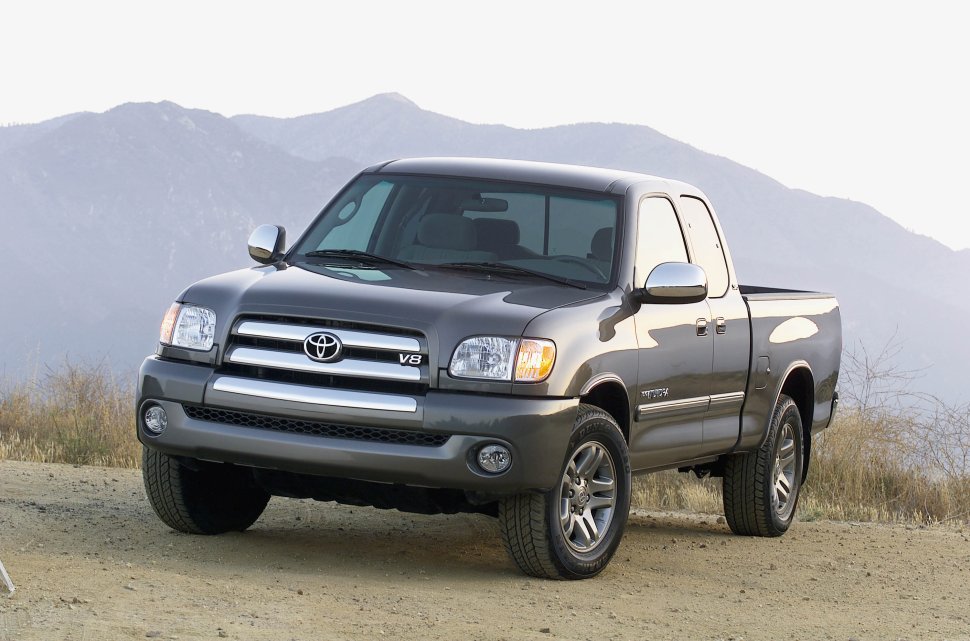
The Toyota Tundra II Double Cab, produced between 2006 and 2009, represents Toyota’s second-generation full-size pickup truck. Designed to compete directly with established American manufacturers like Ford, Chevrolet, and Dodge, the Tundra II aimed to offer a blend of reliability, capability, and comfort. The Double Cab configuration specifically catered to buyers needing more passenger space than a traditional regular cab pickup, offering a second row of seating. This model, equipped with the 4.7-liter V8 engine and four-wheel drive, was a significant offering in the North American truck market, known for its robust construction and dependable performance.
Toyota Tundra II Double Cab: A Detailed Overview
The Tundra II marked a substantial investment by Toyota in the full-size truck segment. It was larger and more powerful than its predecessor, and featured a fully boxed frame for increased rigidity and towing capacity. The Double Cab variant, in particular, addressed a growing demand for pickups that could comfortably accommodate families or work crews. While not achieving the sales volume of its domestic rivals, the Tundra II earned a reputation for quality and longevity, becoming a popular choice for those prioritizing reliability over brand loyalty.
Engine & Performance
The heart of this Tundra II Double Cab is the 2UZ-FE 4.7-liter V8 engine. This naturally aspirated powerplant produces 271 horsepower at 5400 rpm and 424 Nm (312.73 lb.-ft.) of torque at 3400 rpm. The engine features a double overhead camshaft (DOHC) design with Variable Valve Timing-intelligent (VVT-i) technology, optimizing performance and fuel efficiency. Power is delivered through a five-speed automatic transmission to all four wheels via a 4×4 drivetrain. The weight-to-power ratio of 9.1 kg/Hp and a weight-to-torque ratio of 5.8 kg/Nm demonstrate a respectable balance between power and mass. Fuel economy is rated at 15.6 l/100 km (15.1 US mpg) in urban conditions and 13 l/100 km (18.1 US mpg) on the highway. While these figures are not exceptional by modern standards, they were competitive for a full-size truck of this era.
Design & Features
The Toyota Tundra II Double Cab is a four-door pickup truck with seating for five to six passengers, depending on configuration. Its body-on-frame construction provides a solid foundation for hauling and towing. The Double Cab configuration offers significantly more rear passenger space compared to the standard cab models. Stylistically, the Tundra II adopted a more aggressive and modern appearance than its predecessor, with a bolder front grille and more sculpted body lines. Key features included a spacious interior, available leather upholstery, and a comprehensive audio system. Safety features, while not as advanced as contemporary vehicles, included Anti-lock Braking System (ABS) as standard equipment. The truck’s generous dimensions – a length of 5809 mm (228.7 in.), a width of 2030 mm (79.92 in.), and a height of 1925 mm (75.79 in.) – reflect its full-size status. A notable feature is the substantial ground clearance of 274 mm (10.79 in.), enhancing its off-road capability, along with approach and departure angles of 29° and 25° respectively.
Technical Specifications
| General Information | |
| Brand | Toyota |
| Model | Tundra |
| Generation | Tundra II Double Cab |
| Type (Engine) | 4.7 V8 32V (271 Hp) 4×4 Automatic |
| Start of production | 2006 |
| End of production | 2009 |
| Powertrain Architecture | Internal Combustion engine |
| Body type | Pick-up |
| Seats | 5-6 |
| Doors | 4 |
| Performance Specs | |
| Fuel consumption (urban) | 15.6 l/100 km (15.1 US mpg, 18.1 UK mpg) |
| Fuel consumption (extra urban) | 13 l/100 km (18.1 US mpg, 21.7 UK mpg) |
| Fuel Type | Petrol (Gasoline) |
| Weight-to-power ratio | 9.1 kg/Hp |
| Weight-to-torque ratio | 5.8 kg/Nm |
| Engine Specs | |
| Power | 271 Hp @ 5400 rpm |
| Torque | 424 Nm @ 3400 rpm (312.73 lb.-ft. @ 3400 rpm) |
| Engine layout | Front, Longitudinal |
| Engine Model/Code | 2UZ-FE |
| Engine displacement | 4664 cm3 (284.61 cu. in.) |
| Number of cylinders | 8 |
| Engine configuration | V-engine |
| Cylinder Bore | 94 mm (3.7 in.) |
| Piston Stroke | 84 mm (3.31 in.) |
| Number of valves per cylinder | 4 |
| Fuel injection system | Multi-port manifold injection |
| Engine aspiration | Naturally aspirated |
| Valvetrain | DOHC, VVT-i |
| Engine oil capacity | 6.2 l (6.55 US qt | 5.46 UK qt) |
| Coolant capacity | 9.7 l (10.25 US qt | 8.53 UK qt) |
| Space, Volume and Weights | |
| Kerb Weight | 2479 kg (5465.26 lbs.) |
| Max. weight | 3130 kg (6900.47 lbs.) |
| Max load | 651 kg (1435.21 lbs.) |
| Fuel tank capacity | 100 l (26.42 US gal | 22 UK gal) |
| Permitted trailer load (braked) | 3538 kg (7799.95 lbs.) |
| Dimensions | |
| Length | 5809 mm (228.7 in.) |
| Width | 2030 mm (79.92 in.) |
| Height | 1925 mm (75.79 in.) |
| Wheelbase | 3700 mm (145.67 in.) |
| Front track | 1725 mm (67.91 in.) |
| Rear track | 1725 mm (67.91 in.) |
| Ride height (ground clearance) | 274 mm (10.79 in.) |
| Drivetrain, Brakes & Suspension | |
| Drive wheel | All wheel drive (4×4) |
| Number of gears | 5 |
| Gearbox type | Automatic transmission |
| Front suspension | Double wishbone |
| Rear suspension | Leaf spring |
| Front brakes | Ventilated discs |
| Rear brakes | Drum |
| Assisting systems | ABS (Anti-lock braking system) |
| Steering type | Steering rack and pinion |
| Power steering | Hydraulic |
| Tires size | 255/70 R18; 275/65 R18; 275/55 R20 |
| Wheel rims size | 8.0J x 18; 8.0J x 20 |
The Toyota Tundra II Double Cab 4.7 V8 4×4 Automatic offered a compelling package for buyers seeking a reliable, capable, and comfortable full-size pickup truck. While it didn’t dominate the market, it established Toyota as a serious contender in the North American truck segment and cemented the Tundra’s reputation for long-term durability.