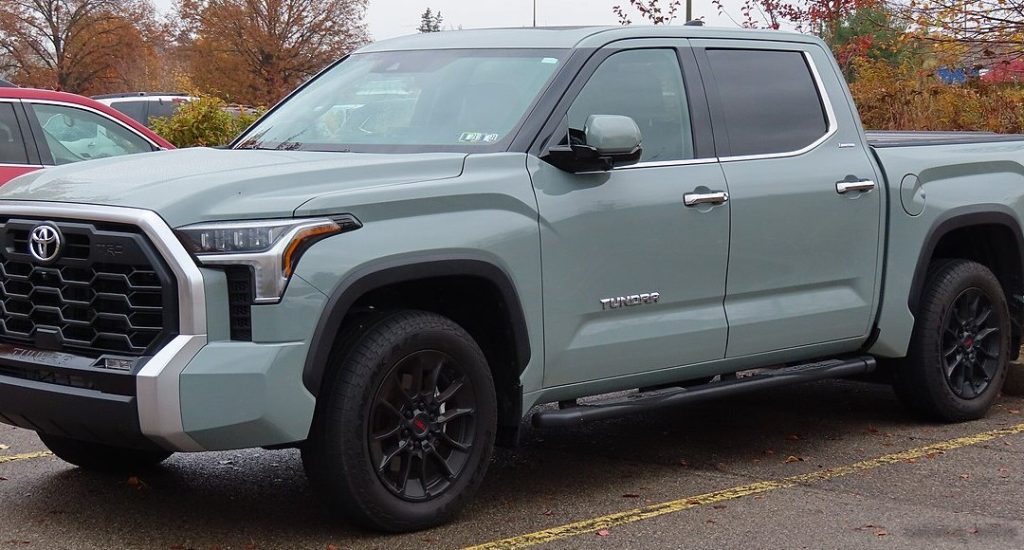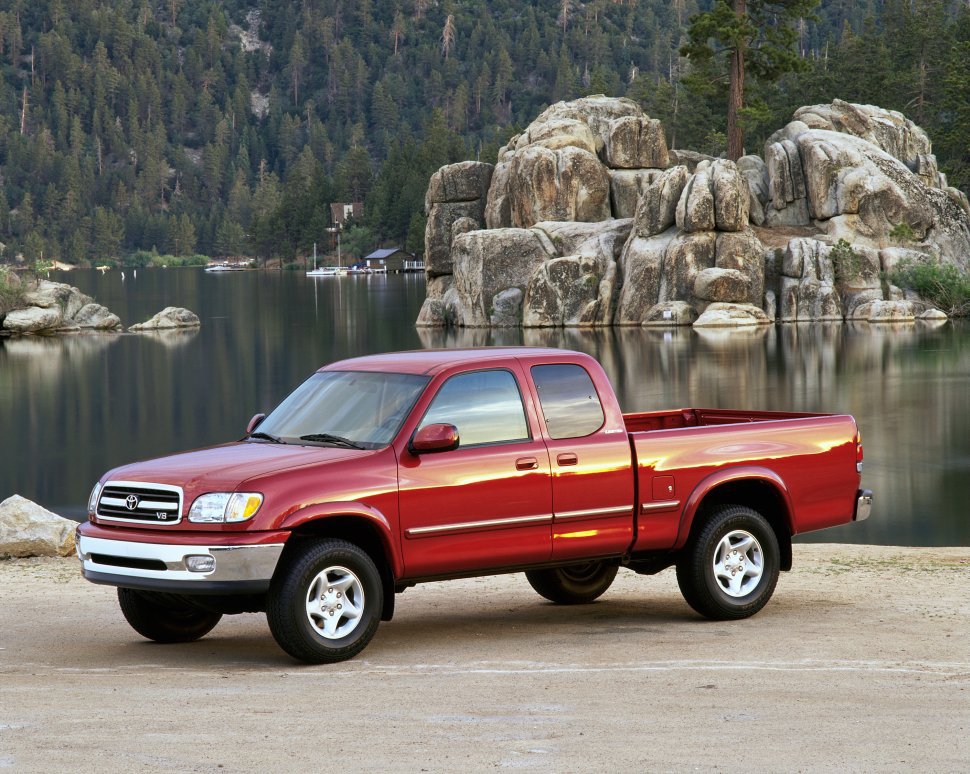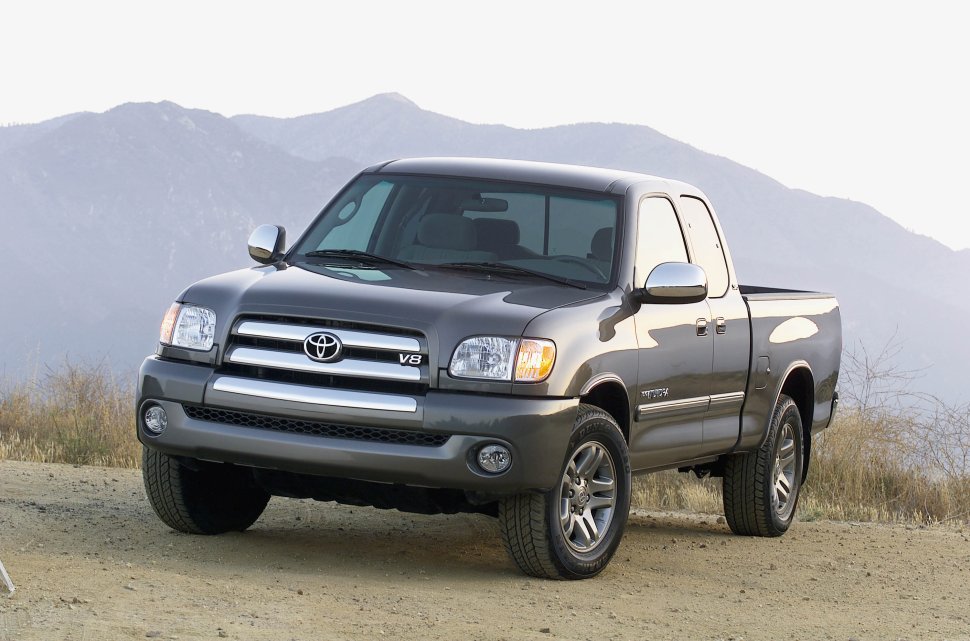
The Toyota Tundra II Double Cab Long Bed, specifically the facelifted version produced from 2013 to 2014, represents Toyota’s second-generation full-size pickup truck. Introduced initially for the 2007 model year, the Tundra was designed to compete directly with established American manufacturers like Ford, Chevrolet, and Dodge. The 2013-2014 facelift brought minor cosmetic updates and refinements to the already robust platform. This model, equipped with the 4.0-liter V6 engine and automatic transmission, aimed to provide a balance of capability, comfort, and reliability for the North American truck market. The Double Cab configuration, combined with the long bed, offered increased passenger space and cargo capacity, making it a versatile option for both work and family use.
Toyota Tundra II Double Cab Long Bed (2013-2014): An Overview
The Tundra II, and particularly the 2013-2014 iteration, was a significant effort by Toyota to establish a stronger foothold in the highly competitive full-size pickup truck segment. While not achieving the sales volume of its domestic rivals, the Tundra earned a reputation for dependability and retained a loyal customer base. The Double Cab Long Bed configuration specifically catered to buyers needing both passenger room and substantial cargo-carrying ability. The facelift for 2013 focused on enhancing the truck’s appearance and refining existing features, rather than a complete redesign. It continued to utilize a traditional body-on-frame construction, prioritizing durability and towing capacity.
Engine & Performance
The 2013-2014 Toyota Tundra Double Cab Long Bed with the 4.0-liter V6 engine delivers 270 horsepower at 5600 rpm and 377 Nm (278.06 lb.-ft.) of torque at 4400 rpm. This 3956 cm3 (241.41 cu. in.) engine, designated the 1GR-FE, features a naturally aspirated configuration with multi-port fuel injection and a double overhead camshaft (DOHC) valvetrain incorporating Variable Valve Timing with intelligence (VVT-i). The engine’s longitudinal front-mounted layout contributes to a balanced weight distribution. The five-speed automatic transmission efficiently transfers power to the rear wheels, providing smooth shifting and responsive acceleration. The weight-to-power ratio of 8.4 kg/Hp and a weight-to-torque ratio of 6 kg/Nm demonstrate a reasonable balance between engine output and vehicle mass. Fuel economy figures are rated at 13.8 l/100 km combined (17 US mpg, 20.5 UK mpg, 7.2 km/l), with 14.7 l/100 km (16 US mpg, 19.2 UK mpg, 6.8 km/l) in urban settings and 11.7 l/100 km (20.1 US mpg, 24.1 UK mpg, 8.5 km/l) on the highway.
Design & Features
The Toyota Tundra II Double Cab Long Bed is a four-door, five-seat pickup truck with a body-on-frame construction. The long bed provides ample cargo space, making it suitable for hauling materials or equipment. The 2013 facelift included subtle styling updates to the front fascia, grille, and headlights. Inside, the cabin focused on functionality and durability, with comfortable seating and user-friendly controls. Standard features typically included air conditioning, power windows and locks, and a basic audio system. Safety features, while not as extensive as in modern vehicles, included Anti-lock Braking System (ABS). The truck’s ride height of 264 mm (10.39 in) provides good ground clearance for off-road capability, while approach and departure angles of 26° and 21° respectively, further enhance its ability to navigate challenging terrain. The Tundra’s dimensions – 6294 mm (247.8 in) in length, 2029 mm (79.88 in) in width, and 1930 mm (75.98 in) in height – reflect its full-size pickup truck status.
Technical Specifications
| Brand | Toyota |
| Model | Tundra |
| Generation | Tundra II Double Cab Long Bed (facelift 2013) |
| Type (Engine) | 4.0 V6 24V (270 Hp) Automatic |
| Start of production | 2013 |
| End of production | 2014 |
| Powertrain Architecture | Internal Combustion engine |
| Body type | Pick-up |
| Seats | 5 |
| Doors | 4 |
| Fuel consumption (economy) – urban | 14.7 l/100 km (16 US mpg, 19.2 UK mpg) |
| Fuel consumption (economy) – extra urban | 11.7 l/100 km (20.1 US mpg, 24.1 UK mpg) |
| Fuel consumption (economy) – combined | 13.8 l/100 km (17 US mpg, 20.5 UK mpg) |
| Fuel Type | Petrol (Gasoline) |
| Weight-to-power ratio | 8.4 kg/Hp |
| Weight-to-torque ratio | 6 kg/Nm |
| Power | 270 Hp @ 5600 rpm |
| Torque | 377 Nm @ 4400 rpm (278.06 lb.-ft. @ 4400 rpm) |
| Engine layout | Front, Longitudinal |
| Engine Model/Code | 1GR-FE |
| Engine displacement | 3956 cm3 (241.41 cu. in.) |
| Number of cylinders | 6 |
| Engine configuration | V-engine |
| Cylinder Bore | 94 mm (3.7 in.) |
| Piston Stroke | 95 mm (3.74 in.) |
| Compression ratio | 10.4:1 |
| Number of valves per cylinder | 4 |
| Fuel injection system | Multi-port manifold injection |
| Engine aspiration | Naturally aspirated engine |
| Valvetrain | DOHC, VVT-i |
| Engine oil capacity | 5.2 l (5.49 US qt | 4.58 UK qt) |
| Coolant | 9.6 l (10.14 US qt | 8.45 UK qt) |
| Kerb Weight | 2272 kg (5008.9 lbs.) |
| Max. weight | 2903 kg (6400.02 lbs.) |
| Max load | 631 kg (1391.12 lbs.) |
| Fuel tank capacity | 100 l (26.42 US gal | 22 UK gal) |
| Permitted trailer load with brakes (12%) | 2041 kg (4499.63 lbs.) |
| Length | 6294 mm (247.8 in.) |
| Width | 2029 mm (79.88 in.) |
| Height | 1930 mm (75.98 in.) |
| Wheelbase | 4180 mm (164.57 in.) |
| Front track | 1725 mm (67.91 in.) |
| Rear (Back) track | 1725 mm (67.91 in.) |
| Ride height (ground clearance) | 264 mm (10.39 in.) |
| Minimum turning circle (turning diameter) | 14.9 m (48.88 ft.) |
| Front suspension | Double wishbone |
| Rear suspension | Leaf spring |
| Front brakes | Ventilated discs |
| Rear brakes | Ventilated discs |
| Assisting systems | ABS (Anti-lock braking system) |
| Steering type | Steering rack and pinion |
| Power steering | Hydraulic Steering |
| Tires size | 255/70 R18 |
| Wheel rims size | 8.0J x 18 |
| Number of gears and type of gearbox | 5 gears, automatic transmission |