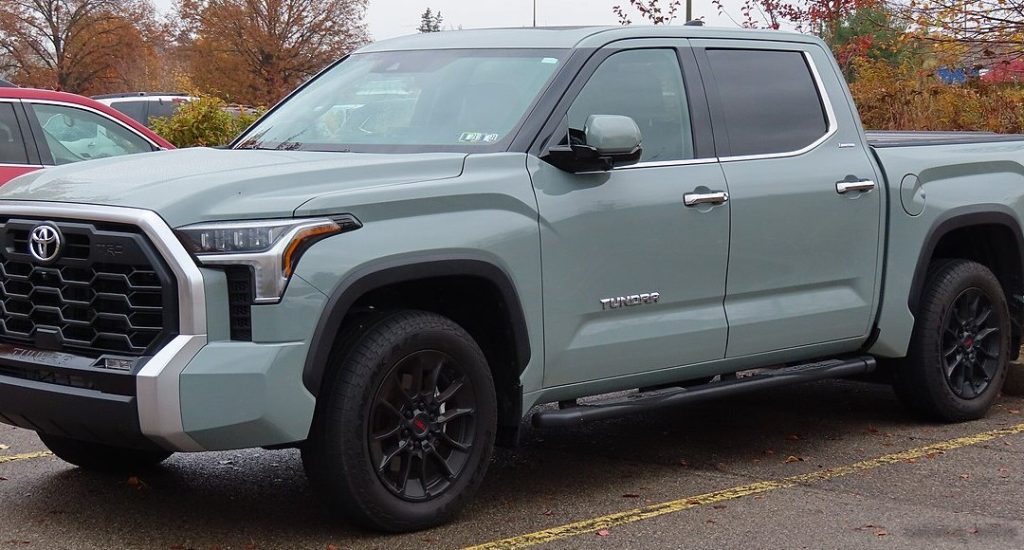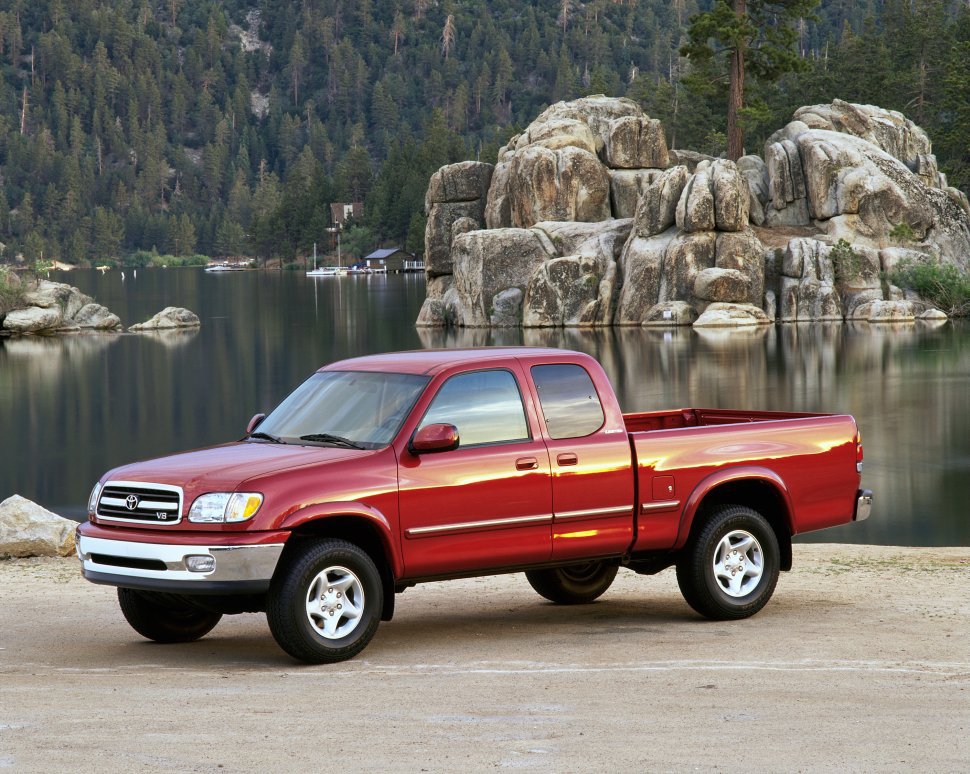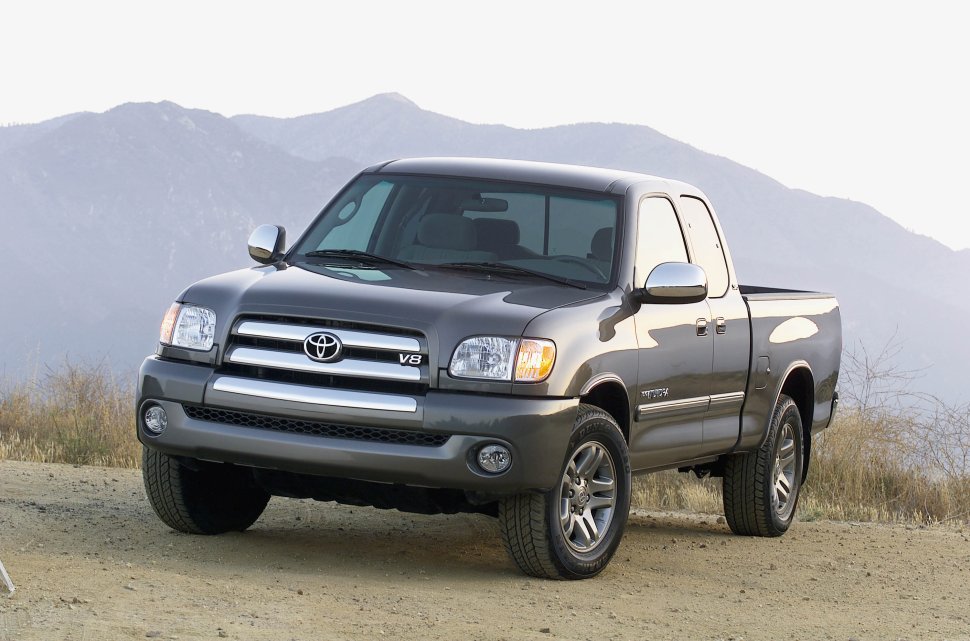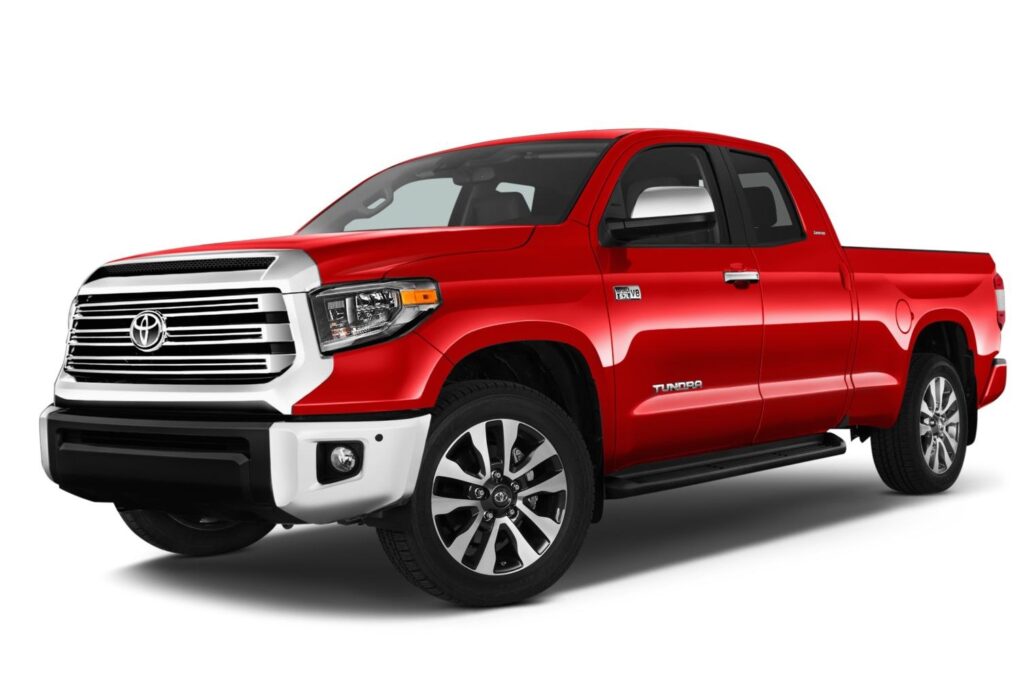
The Toyota Tundra II Double Cab Standard Bed, specifically the facelifted version produced from 2017 to 2019, represents Toyota’s second-generation full-size pickup truck. Designed primarily for the North American market, the Tundra aimed to compete directly with established American manufacturers like Ford, Chevrolet, and Ram. This iteration of the Tundra continued to emphasize reliability, durability, and a comfortable ride, while offering a range of configurations to suit diverse customer needs. The 4.6-liter V8 4×4 ECT-i model detailed here represents a key offering within the Tundra lineup, balancing power with reasonable fuel economy for a vehicle of its size and capability.
Toyota Tundra II: A Focus on the 4.6L V8
The Tundra II, launched initially in 2007, underwent a significant facelift in 2017, bringing updated styling, enhanced features, and refined powertrain options. The Double Cab Standard Bed configuration provides a versatile combination of passenger space and cargo capacity, making it suitable for both work and family use. The 4.6-liter V8 engine, producing 310 horsepower, was positioned as the entry-level V8 option, offering a more accessible price point compared to the larger 5.7-liter engine. The “ECT-i” designation refers to Toyota’s Electronically Controlled Transmission with intelligence, a six-speed automatic designed to optimize shift points for both performance and fuel efficiency. The 4×4 system provides enhanced traction and capability in various driving conditions, making it a popular choice for owners who frequently encounter inclement weather or require off-road performance.
Engine & Performance
At the heart of the 2017-2019 Toyota Tundra II Double Cab Standard Bed 4.6 V8 4×4 ECT-i lies the 1UR-FE 4.6-liter V8 engine. This naturally aspirated engine delivers 310 horsepower at 5600 rpm and 443 Nm (326.74 lb.-ft.) of torque at 3400 rpm. The engine utilizes a direct injection system and Toyota’s VVT-i (Variable Valve Timing with intelligence) technology to optimize performance and efficiency across the rev range. The engine’s longitudinal front-mounted layout contributes to a balanced weight distribution. The six-speed automatic transmission, coupled with the ECT-i system, provides smooth and responsive shifting. The weight-to-power ratio of 7.9 kg/Hp and a weight-to-torque ratio of 5.5 kg/Nm indicate a respectable power delivery for a full-size pickup. Fuel economy figures are rated at 14.7 l/100 km combined (16 US mpg, 19.2 UK mpg, 6.8 km/l), with urban consumption at 16.8 l/100 km (14 US mpg, 16.8 UK mpg, 6 km/l) and extra-urban consumption at 13.1 l/100 km (18 US mpg, 21.6 UK mpg, 7.6 km/l). The engine requires 8 liters (8.45 US qt, 7.04 UK qt) of engine oil and 11.9 liters (12.57 US qt, 10.47 UK qt) of coolant.
Design & Features
The 2017-2019 Tundra II Double Cab Standard Bed maintains the robust and functional design language of the second-generation Tundra. The body-on-frame construction provides a solid foundation for towing and hauling. The Double Cab configuration offers comfortable seating for five passengers across two doors, with a standard bed length providing ample cargo space. The facelifted model features updated front fascia styling, including a redesigned grille and headlights, giving it a more modern appearance. Safety features include ABS (Anti-lock Braking System) and ventilated disc brakes on all four wheels (353.06 mm front, 345.44 mm rear). The suspension system consists of a double wishbone setup with a transverse stabilizer at the front and a rigid axle suspension with leaf springs at the rear, prioritizing load-carrying capacity and durability. The Tundra II is equipped with a hydraulic power steering system and a steering rack and pinion for precise control. Standard tire sizes are 255/70 R18 112T or 275/65 R18 114T, mounted on 8J x 18 ET60 wheel rims.
Technical Specifications
| Brand | Toyota |
| Model | Tundra |
| Generation | Tundra II Double Cab Standard Bed (facelift 2017) |
| Type (Engine) | 4.6 V8 (310 Hp) 4×4 ECT-i |
| Start of production | 2017 |
| End of production | 2019 |
| Powertrain Architecture | Internal Combustion engine |
| Body type | Pick-up |
| Seats | 5 |
| Doors | 4 |
| Fuel consumption (economy) – urban | 16.8 l/100 km (14 US mpg, 16.8 UK mpg, 6 km/l) |
| Fuel consumption (economy) – extra urban | 13.1 l/100 km (18 US mpg, 21.6 UK mpg, 7.6 km/l) |
| Fuel consumption (economy) – combined | 14.7 l/100 km (16 US mpg, 19.2 UK mpg, 6.8 km/l) |
| Fuel Type | Petrol (Gasoline) |
| Emission standard | LEV-II; ULEV-II |
| Weight-to-power ratio | 7.9 kg/Hp, 126.3 Hp/tonne |
| Weight-to-torque ratio | 5.5 kg/Nm, 180.5 Nm/tonne |
| Power | 310 Hp @ 5600 rpm |
| Power per litre | 67.3 Hp/l |
| Torque | 443 Nm @ 3400 rpm (326.74 lb.-ft. @ 3400 rpm) |
| Engine layout | Front, Longitudinal |
| Engine Model/Code | 1UR-FE |
| Engine displacement | 4608 cm3 (281.2 cu. in.) |
| Number of cylinders | 8 |
| Engine configuration | V-engine |
| Number of valves per cylinder | 4 |
| Fuel injection system | Direct injection |
| Engine aspiration | Naturally aspirated engine |
| Valvetrain | DOHC, VVT-i |
| Engine oil capacity | 8 l (8.45 US qt | 7.04 UK qt) |
| Coolant | 11.9 l (12.57 US qt | 10.47 UK qt) |
| Kerb Weight | 2454 kg (5410.14 lbs.) |
| Max. weight | 3130 kg (6900.47 lbs.) |
| Max load | 676 kg (1490.32 lbs.) |
| Fuel tank capacity | 100 l (26.42 US gal | 22 UK gal) |
| Permitted trailer load with brakes (12%) | 2948 kg (6499.23 lbs.) |
| Length | 5814 mm (228.9 in.) |
| Width | 2029 mm (79.88 in.) |
| Height | 1941 mm (76.42 in.) |
| Wheelbase | 3701 mm (145.71 in.) |
| Front track | 1725 mm (67.91 in.) |
| Rear (Back) track | 1725 mm (67.91 in.) |
| Ride height (ground clearance) | 269 mm (10.59 in.) |
| Minimum turning circle (turning diameter) | 13.4 m (43.96 ft.) |
| Drivetrain Architecture | All wheel drive (4×4). ICE drives rear wheels, front wheels engaged via clutch. |
| Drive wheel | All wheel drive (4×4) |
| Number of gears and type of gearbox | 6 gears, automatic transmission ECT-i |
| Front suspension | Double wishbone, Transverse stabilizer |
| Rear suspension | Rigid axle suspension, Leaf spring |
| Front brakes | Ventilated discs, 353.06 mm |
| Rear brakes | Ventilated discs, 345.44 mm |
| Assisting systems | ABS (Anti-lock braking system) |
| Steering type | Steering rack and pinion |
| Power steering | Hydraulic Steering |
| Tires size | 255/70 R18 112T; 275/65 R18 114T |
| Wheel rims size | 8J x 18 ET60 |