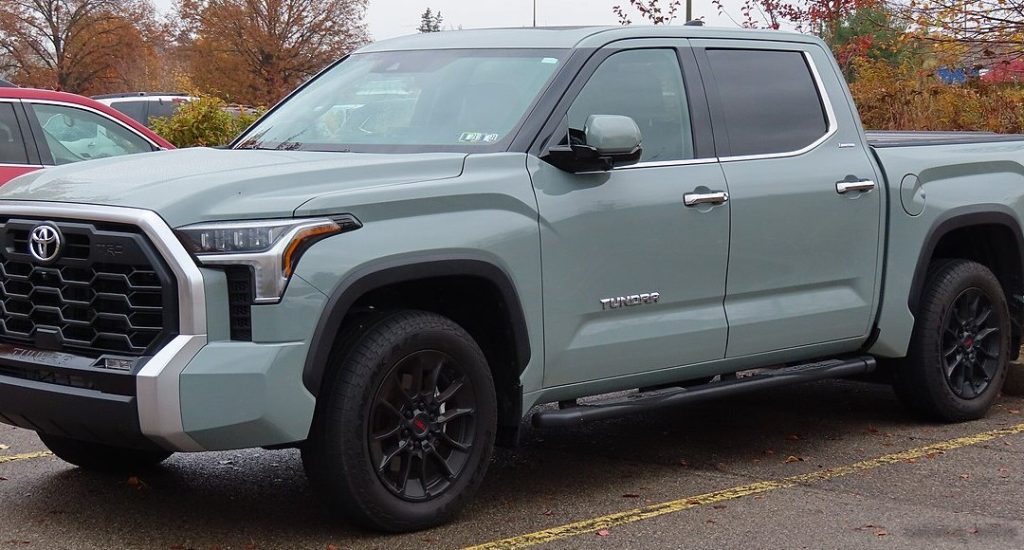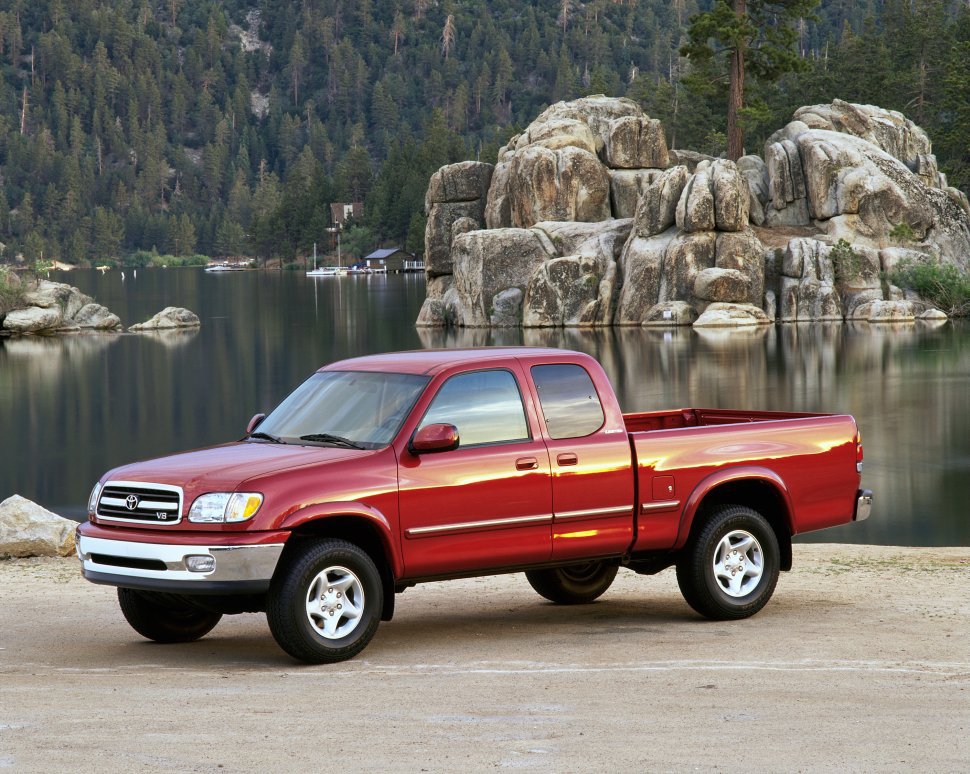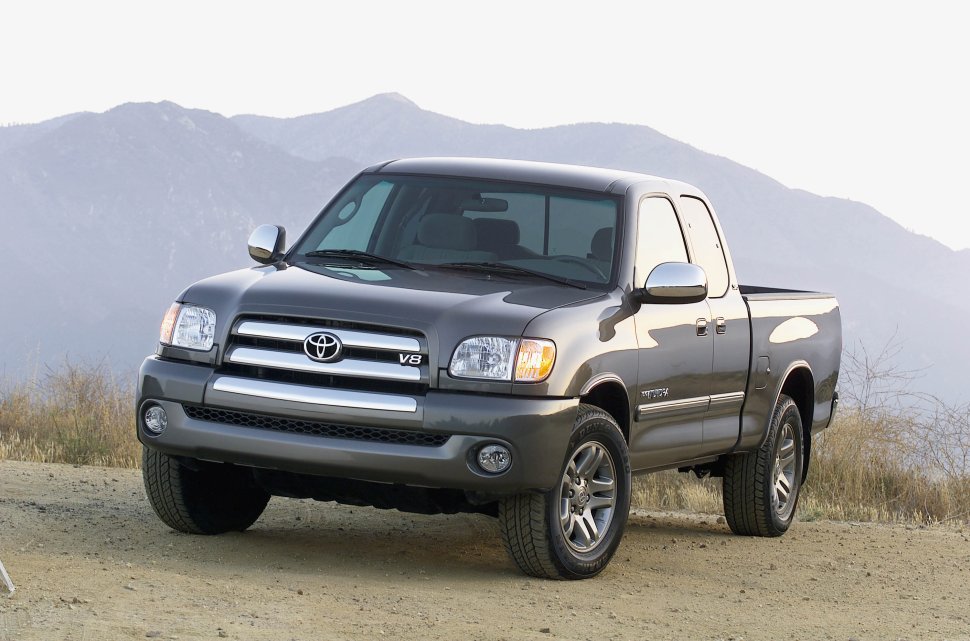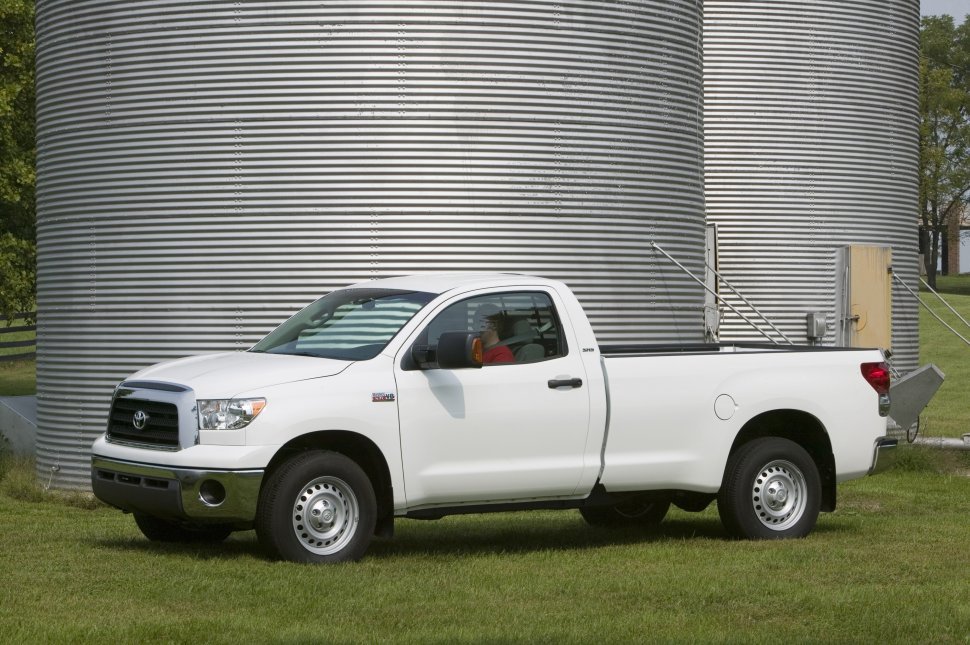
The Toyota Tundra II Regular Cab, produced between 2006 and 2009, represents the second generation of Toyota’s full-size pickup truck. Introduced to directly challenge established American manufacturers like Ford, Chevrolet, and Dodge, the Tundra II aimed to offer a compelling combination of reliability, capability, and value in the highly competitive North American truck market. This generation marked a significant increase in size and refinement over its predecessor, with a focus on providing a more comfortable and powerful experience for owners. The Regular Cab configuration, with its two doors and three-passenger seating, catered to buyers prioritizing functionality and work-oriented needs over passenger space.
Toyota Tundra II Regular Cab: A Detailed Overview
The Tundra II was a pivotal model for Toyota, demonstrating the manufacturer’s commitment to the American truck market. While Toyota had previously offered the Tundra, the second generation was designed specifically with North American preferences in mind. This included a larger footprint, more powerful engine options, and increased towing capacity. The Regular Cab model, while less popular than the extended cab and crew cab versions, provided a more affordable entry point into the Tundra lineup and remained a popular choice for commercial users and those needing a robust, no-frills work truck.
Engine & Performance
The 4.7-liter 2UZ-FE V8 engine was a cornerstone of the Tundra II Regular Cab’s appeal. This naturally aspirated engine produced 271 horsepower at 5400 rpm and 424 Nm (312.73 lb.-ft.) of torque at 3400 rpm. The engine featured a double overhead camshaft (DOHC) valvetrain with Variable Valve Timing-intelligent (VVT-i) technology, optimizing performance and fuel efficiency. Paired with a five-speed automatic transmission and a four-wheel-drive system, the Tundra II delivered solid performance for both on-road driving and off-road capability. The weight-to-power ratio of 8.6 kg/Hp and a weight-to-torque ratio of 5.5 kg/Nm contributed to its responsive feel. Fuel economy, however, was typical for a full-size truck of the era, averaging 15.6 l/100 km (15.1 US mpg) in urban conditions and 13 l/100 km (18.1 US mpg) on the highway.
Design & Features
The Tundra II Regular Cab adopted a bold and muscular exterior design, reflecting the ruggedness expected of a full-size pickup. The body-on-frame construction provided a robust foundation for hauling and towing. The Regular Cab configuration featured two doors and a three-person bench seat. Interior features, while not as luxurious as some competitors, were functional and durable. Standard equipment typically included air conditioning, power windows and locks, and an AM/FM radio. Safety features, while evolving during this period, included anti-lock brakes (ABS) as standard equipment. The truck’s substantial dimensions – a length of 5330 mm (209.84 in.) and a width of 2030 mm (79.92 in.) – provided ample cargo space in the bed. A high ride height of 259 mm (10.2 in.) and approach/departure angles of 27°/26° enhanced its off-road capability. The Tundra II’s design prioritized practicality and durability, making it a reliable workhorse for a variety of tasks.
Technical Specifications
| Brand | Toyota |
| Model | Tundra |
| Generation | Tundra II Regular Cab |
| Type (Engine) | 4.7 V8 32V (271 Hp) 4×4 Automatic |
| Start of production | 2006 |
| End of production | 2009 |
| Powertrain Architecture | Internal Combustion engine |
| Body type | Pick-up |
| Seats | 3 |
| Doors | 2 |
| Fuel consumption (urban) | 15.6 l/100 km (15.1 US mpg, 18.1 UK mpg) |
| Fuel consumption (extra urban) | 13 l/100 km (18.1 US mpg, 21.7 UK mpg) |
| Fuel Type | Petrol (Gasoline) |
| Weight-to-power ratio | 8.6 kg/Hp |
| Weight-to-torque ratio | 5.5 kg/Nm |
| Power | 271 Hp @ 5400 rpm |
| Torque | 424 Nm @ 3400 rpm (312.73 lb.-ft. @ 3400 rpm) |
| Engine layout | Front, Longitudinal |
| Engine Model/Code | 2UZ-FE |
| Engine displacement | 4664 cm3 (284.61 cu. in.) |
| Number of cylinders | 8 |
| Engine configuration | V-engine |
| Cylinder Bore | 94 mm (3.7 in.) |
| Piston Stroke | 84 mm (3.31 in.) |
| Number of valves per cylinder | 4 |
| Fuel injection system | Multi-port manifold injection |
| Engine aspiration | Naturally aspirated engine |
| Valvetrain | DOHC, VVT-i |
| Engine oil capacity | 6.2 l (6.55 US qt | 5.46 UK qt) |
| Coolant capacity | 9.7 l (10.25 US qt | 8.53 UK qt) |
| Kerb Weight | 2322 kg (5119.13 lbs.) |
| Max. weight | 2445 kg (5390.3 lbs.) |
| Max load | 123 kg (271.17 lbs.) |
| Fuel tank capacity | 100 l (26.42 US gal | 22 UK gal) |
| Permitted trailer load with brakes (12%) | 3175 kg (6999.68 lbs.) |
| Length | 5330 mm (209.84 in.) |
| Width | 2030 mm (79.92 in.) |
| Height | 1925-1930 mm (75.79 – 75.98 in.) |
| Wheelbase | 3220 mm (126.77 in.) |
| Front track | 1725 mm (67.91 in.) |
| Rear track | 1725 mm (67.91 in.) |
| Ride height (ground clearance) | 259 mm (10.2 in.) |
| Minimum turning circle | 13.6 m (44.62 ft.) |
| Approach angle | 27° |
| Departure angle | 26° |
| Drive wheel | All wheel drive (4×4) |
| Number of gears | 5 |
| Gearbox type | Automatic transmission |
| Front suspension | Double wishbone |
| Rear suspension | Leaf spring |
| Front brakes | Ventilated discs |
| Rear brakes | Drum |
| Assisting systems | ABS (Anti-lock braking system) |
| Steering type | Steering rack and pinion |
| Power steering | Hydraulic Steering |
| Tires size | 255/70 R18; 275/65 R18; 275/55 R20 |
| Wheel rims size | 8.0J x 18; 8.0J x 20 |
The Toyota Tundra II Regular Cab, particularly the 4.7 V8 4×4 Automatic model, remains a popular choice for those seeking a reliable and capable full-size pickup. Its robust construction, powerful engine, and proven durability have cemented its place as a significant contender in the American truck market.