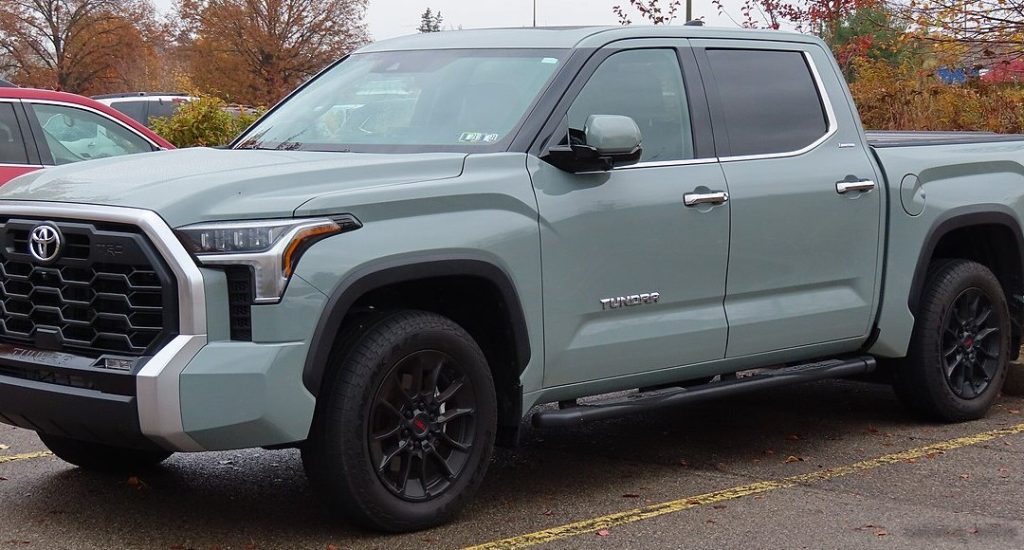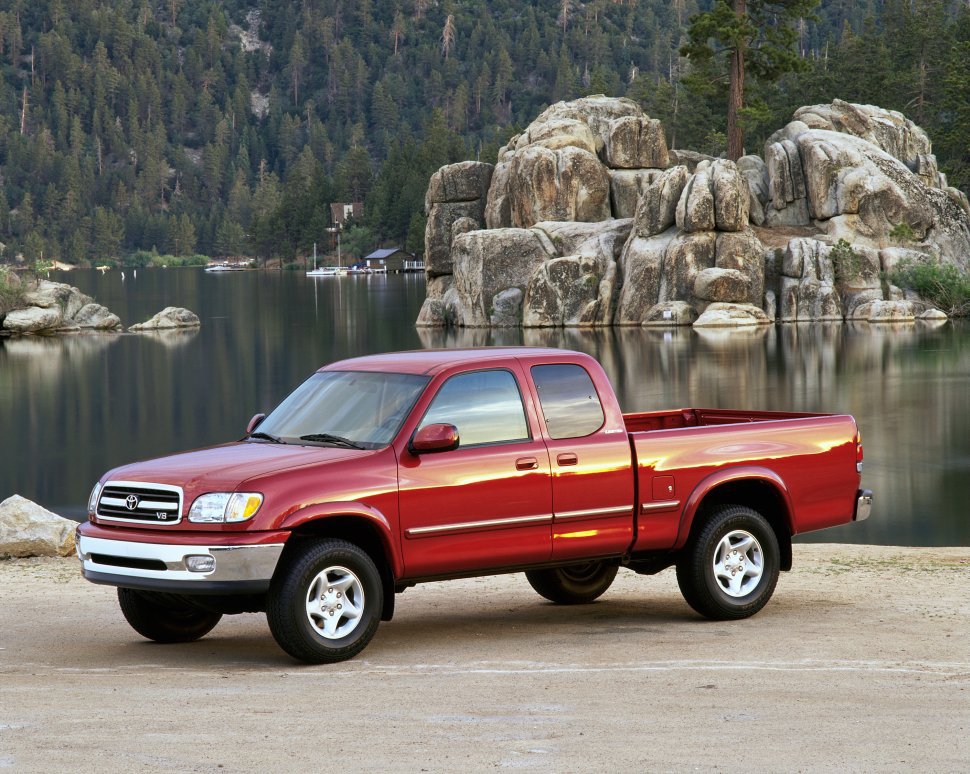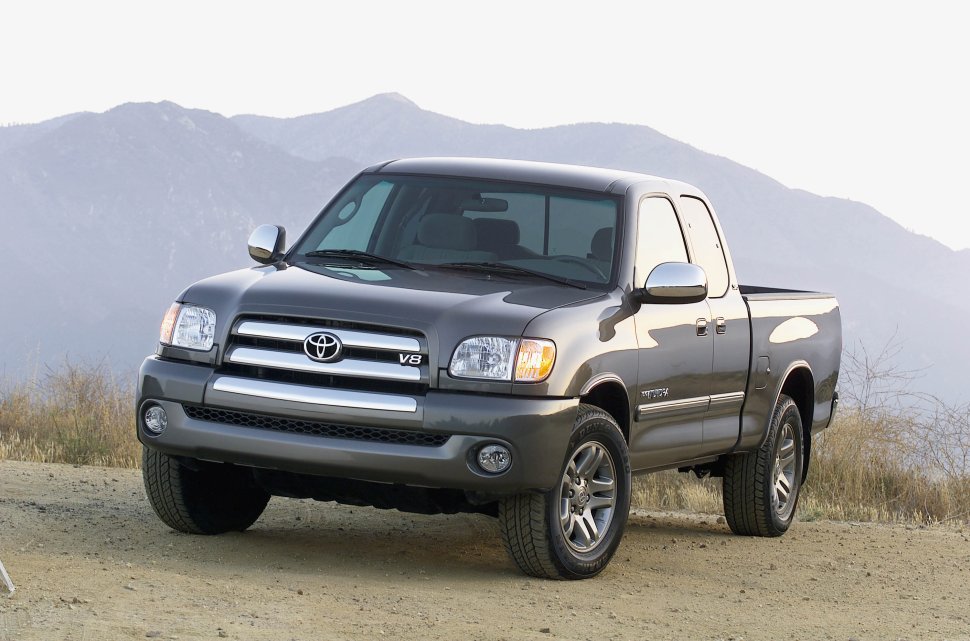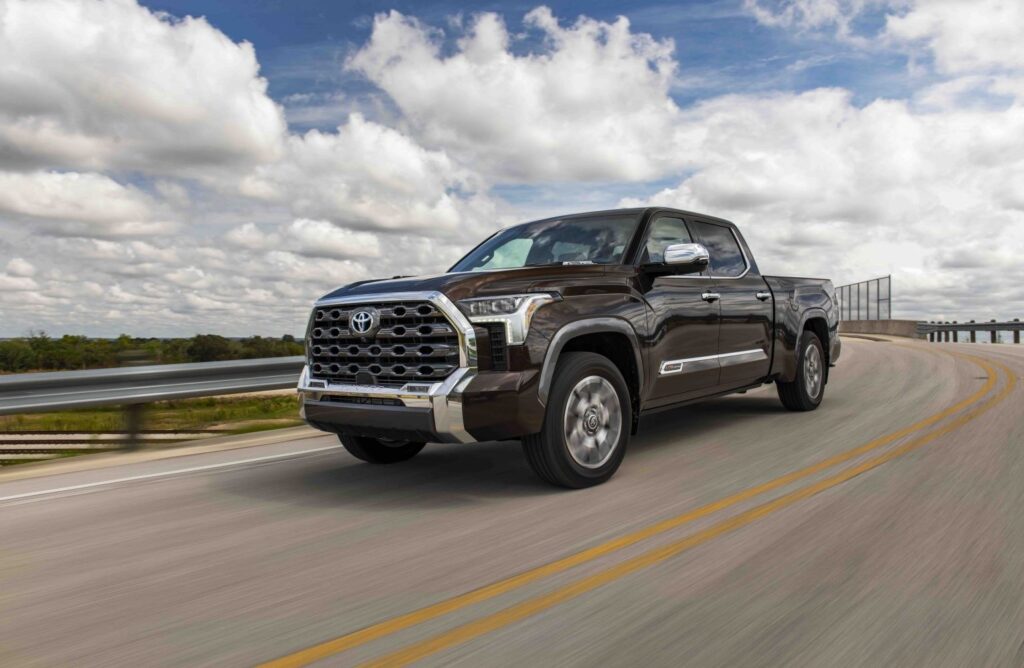
The third generation of Toyota’s venerable full-size pickup truck, the Tundra, made its highly anticipated debut in September 2021, marking a significant evolution for the model. Representing a comprehensive redesign from the ground up, this iteration, specifically the **Toyota Tundra III CrewMax Standard Bed 3.5 V6 i-FORCE (389 Hp) 4×4 ECT-i**, aimed to redefine its presence in the fiercely competitive North American truck market. Moving away from the long-standing naturally aspirated V8, the new Tundra embraced a modern, forced-induction powertrain, signaling a shift towards enhanced efficiency and performance. This particular configuration, featuring the spacious CrewMax cabin and a standard bed, is engineered to balance robust utility with passenger comfort, catering to a broad spectrum of buyers from demanding contractors to families seeking adventure.
Engineering and Performance of the Toyota Tundra III CrewMax Standard Bed 3.5 V6 i-FORCE (389 Hp) 4×4 ECT-i
At the heart of the 2021+ Toyota Tundra III CrewMax Standard Bed 3.5 V6 i-FORCE (389 Hp) 4×4 ECT-i lies a sophisticated V35A-FTS engine, a 3.5-liter (3445 cm3 or 210.23 cu. in.) twin-turbocharged V6 power plant. This i-FORCE engine represents a monumental leap in powertrain technology for the Tundra, delivering an impressive 389 horsepower at 5200 rpm. More critically for a truck of its caliber, it generates a robust 478.68 lb.-ft. (649 Nm) of torque, available from a low 2400 rpm. This broad torque band is crucial for towing, hauling, and off-road performance, ensuring responsive acceleration and effortless pulling power under various conditions.
The engine’s advanced design incorporates a DOHC (Dual Overhead Camshaft) valvetrain with Dual VVT-i (Variable Valve Timing with intelligence), optimizing combustion efficiency across the rev range. Fuel delivery is handled by a sophisticated system combining both direct injection and multi-port manifold injection, a strategy that maximizes power output while simultaneously improving fuel economy and reducing emissions. The twin-turbo setup, complemented by an intercooler, ensures dense, cool air delivery to the cylinders, further boosting power and efficiency. With a compression ratio of 10.4:1 and four valves per cylinder, this V6 engine is a testament to modern engineering precision, offering a power per liter of 112.9 Hp/l, a figure typically associated with high-performance vehicles.
Mated to this potent V6 is a state-of-the-art 10-speed automatic transmission with ECT-i (Electronically Controlled Transmission with intelligence). This gearbox is designed to provide seamless power delivery, optimizing gear ratios for both heavy-duty tasks and relaxed highway cruising. The larger number of gears allows the engine to operate within its most efficient power band more frequently, contributing to improved fuel economy. The drivetrain architecture is a robust all-wheel-drive (4×4) system, where the internal combustion engine primarily drives the rear wheels, with the front wheels engaging via an electrically or mechanically operated clutch when additional traction is needed. This part-time 4×4 system ensures versatility for both on-road efficiency and off-road capability.
Fuel Efficiency and Environmental Stewardship
Despite its formidable power and size, the Toyota Tundra III CrewMax Standard Bed 3.5 V6 i-FORCE (389 Hp) 4×4 ECT-i demonstrates commendable fuel efficiency for its class. The combined fuel economy is rated at 19 US mpg (12.4 l/100 km), with urban consumption at 17 US mpg (13.8 l/100 km) and extra-urban (highway) at 23.1 US mpg (10.2 l/100 km). These figures represent a significant improvement over the previous generation’s V8, a direct benefit of the twin-turbo V6 and the 10-speed transmission. The vehicle also adheres to the LEV-III emission standard, reflecting Toyota’s commitment to environmental responsibility. Its curb weight, ranging from 5619.58 to 5721 lbs. (2549-2595 kg), gives it a weight-to-power ratio of 6.6 kg/Hp (152.6 Hp/tonne) and a weight-to-torque ratio of 3.9 kg/Nm (254.6 Nm/tonne), indicating a well-balanced power-to-weight profile for a heavy-duty pickup.
Design and Features
The Toyota Tundra III CrewMax Standard Bed presents a bold and commanding aesthetic, characterized by its full-size pickup body type. With four doors and seating for five occupants, the CrewMax configuration prioritizes passenger comfort and interior space, making it an ideal choice for families or work crews. The exterior design features a prominent grille, muscular fenders, and modern LED lighting, projecting an image of strength and capability. Its substantial dimensions, including a length of 245.59 inches (6238 mm), a width of 80.2 inches (2037 mm), and a height of 77.99 inches (1981 mm), underscore its full-size segment positioning. A generous wheelbase of 157.72 inches (4006 mm) contributes to both ride stability and interior volume.
Beyond its visual appeal, the Tundra III is engineered for practicality and rugged use. A ground clearance of 9.29 inches (236 mm), coupled with an approach angle of 21° and a departure angle of 24°, ensures excellent off-road prowess, allowing it to tackle challenging terrains with confidence. The minimum turning circle of 49.87 ft (15.2 m) is respectable for a vehicle of its size, aiding maneuverability in tighter spaces. The drag coefficient (Cd) of 0.36 is a commendable figure for a large pickup truck, contributing to its highway fuel efficiency.
Safety and driving dynamics are enhanced by a robust chassis and sophisticated suspension system. The front suspension employs a double wishbone design with a transverse stabilizer, providing precise steering and excellent ride comfort. At the rear, a rigid axle suspension with coil springs replaces the leaf springs of the previous generation, significantly improving ride quality, especially when unladen, and offering better articulation for off-road conditions. Braking performance is handled by large ventilated discs on both the front (353 mm) and rear (345 mm) axles, complemented by an ABS (Anti-lock Braking System) for controlled stopping power. The steering system features an electric power steering rack and pinion setup, providing light effort at low speeds for parking and a firmer feel at higher speeds for stability.
The Tundra’s utility is further highlighted by its impressive cargo and towing capabilities. With a maximum load capacity ranging from 1609.37 to 2059.12 lbs. (730-934 kg) and a substantial permitted trailer load with brakes of 11009.89 lbs. (4994 kg), the truck is well-equipped for demanding tasks. A fuel tank capacity of 22.45 US gallons (85 liters) ensures a considerable range between fill-ups. The vehicle is fitted with tires sized 265/70 R18 or 265/60 R20, mounted on 8J x 18 or 8J x 20 wheel rims, providing a solid foundation for both on-road and off-road performance.
Technical Specifications
| Brand | Toyota |
| Model | Tundra |
| Generation | Tundra III CrewMax Standard Bed |
| Type (Engine) | 3.5 V6 i-FORCE (389 Hp) 4×4 ECT-i |
| Start of production | September, 2021 year |
| Powertrain Architecture | Internal Combustion engine |
| Body type | Pick-up |
| Seats | 5 |
| Doors | 4 |
| Fuel consumption (economy) – urban | 13.8 l/100 km (17 US mpg) |
| Fuel consumption (economy) – extra urban | 10.2 l/100 km (23.1 US mpg) |
| Fuel consumption (economy) – combined | 12.4 l/100 km (19 US mpg) |
| Fuel Type | Petrol (Gasoline) |
| Emission standard | LEV-III |
| Weight-to-power ratio | 6.6 kg/Hp (152.6 Hp/tonne) |
| Weight-to-torque ratio | 3.9 kg/Nm (254.6 Nm/tonne) |
| Power | 389 Hp @ 5200 rpm |
| Power per litre | 112.9 Hp/l |
| Torque | 649 Nm @ 2400 rpm (478.68 lb.-ft. @ 2400 rpm) |
| Engine layout | Front, Longitudinal |
| Engine Model/Code | V35A-FTS |
| Engine displacement | 3445 cm3 (210.23 cu. in.) |
| Number of cylinders | 6 |
| Engine configuration | V-engine |
| Cylinder Bore | 85.5 mm (3.37 in.) |
| Piston Stroke | 100 mm (3.94 in.) |
| Compression ratio | 10.4:1 |
| Number of valves per cylinder | 4 |
| Fuel injection system | Direct injection and Multi-port manifold injection |
| Engine aspiration | Twin-Turbo, Intercooler |
| Valvetrain | DOHC, Dual VVT-i |
| Engine oil capacity | 7.3 l (7.71 US qt) |
| Coolant | 12.4 l (13.1 US qt) |
| Kerb Weight | 2549-2595 kg (5619.58 – 5721 lbs.) |
| Max. weight | 3279-3529 kg (7228.96 – 7780.11 lbs.) |
| Max load | 730-934 kg (1609.37 – 2059.12 lbs.) |
| Fuel tank capacity | 85 l (22.45 US gal) |
| Permitted trailer load with brakes (12%) | 4994 kg (11009.89 lbs.) |
| Permitted towbar download | 507 kg (1117.74 lbs.) |
| Length | 6238 mm (245.59 in.) |
| Width | 2037 mm (80.2 in.) |
| Height | 1981 mm (77.99 in.) |
| Wheelbase | 4006 mm (157.72 in.) |
| Front track | 1737 mm (68.39 in.) |
| Rear (Back) track | 1737 mm (68.39 in.) |
| Ride height (ground clearance) | 236 mm (9.29 in.) |
| Drag coefficient (Cd) | 0.36 |
| Minimum turning circle (turning diameter) | 15.2 m (49.87 ft.) |
| Approach angle | 21° |
| Departure angle | 24° |
| Drivetrain Architecture | ICE drives rear wheels permanently, front wheels driven through electrically or mechanically operated clutch if necessary. |
| Drive wheel | All wheel drive (4×4) |
| Number of gears and type of gearbox | 10 gears, automatic transmission ECT-i |
| Front suspension | Double wishbone, Transverse stabilizer |
| Rear suspension | Rigid axle suspension, Coil spring |
| Front brakes | Ventilated discs, 353 mm |
| Rear brakes | Ventilated discs, 345 mm |
| Assisting systems | ABS (Anti-lock braking system) |
| Steering type | Steering rack and pinion |
| Power steering | Electric Steering |
| Tires size | 265/70 R18; 265/60 R20 |
| Wheel rims size | 8J x 18; 8J x 20 |