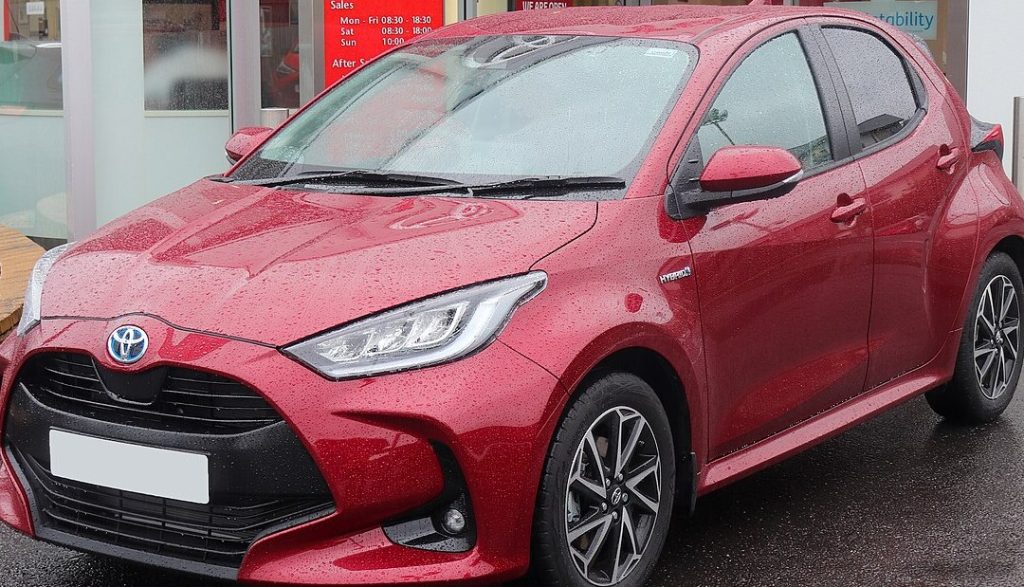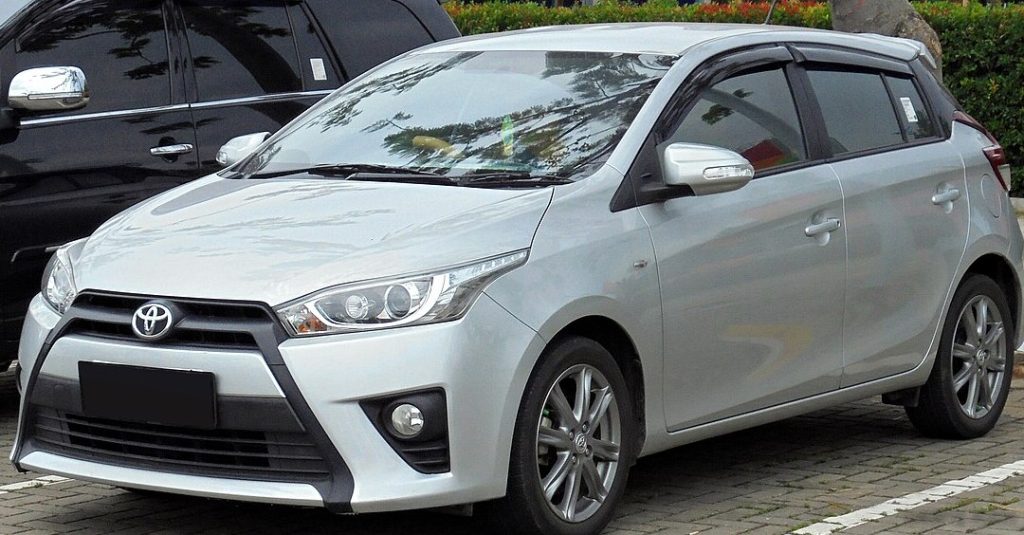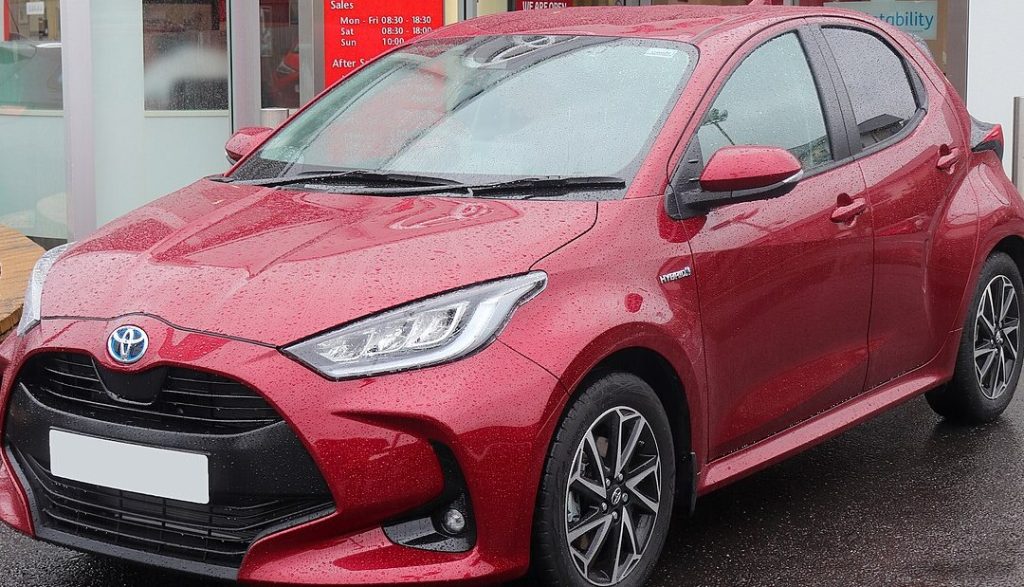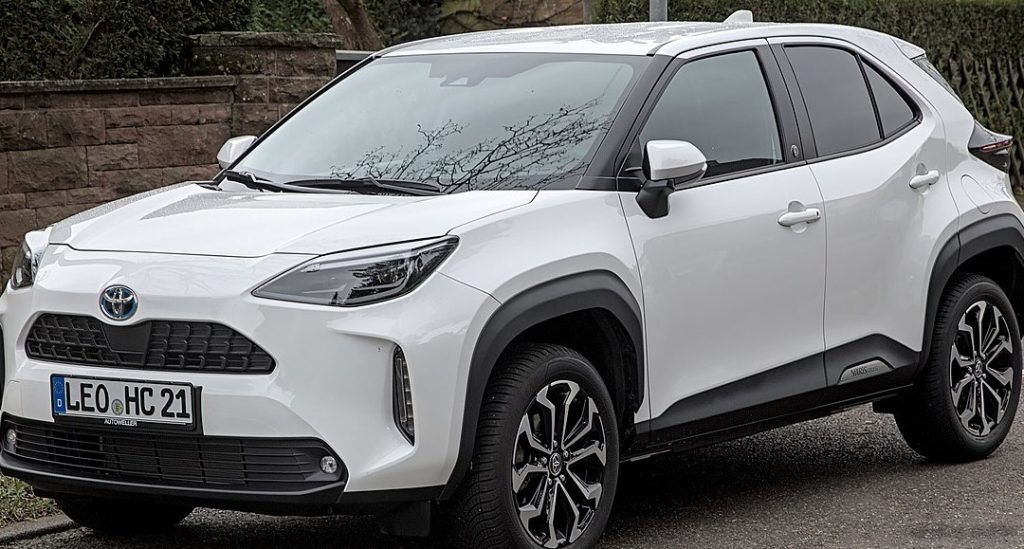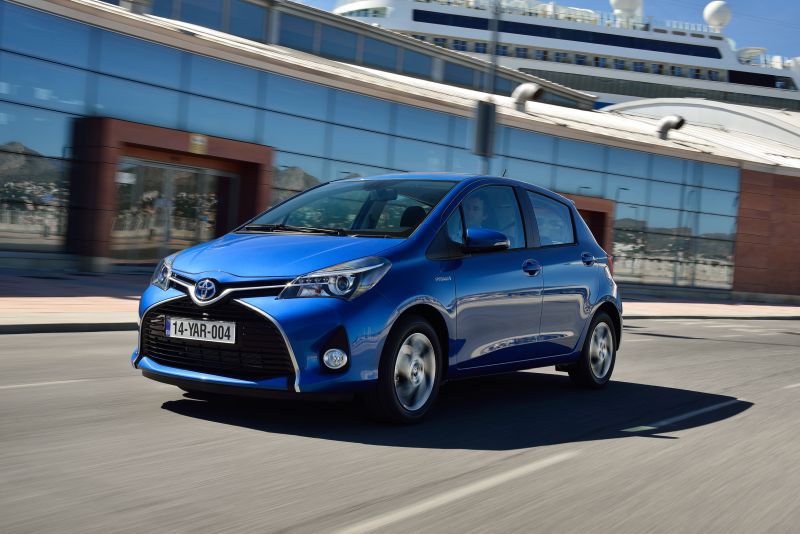
The Toyota Yaris III, particularly the facelifted version introduced in 2014, represents Toyota’s continued commitment to the supermini segment. Sold extensively throughout Europe and Asia, the Yaris III (XP130 chassis) offered a practical and fuel-efficient option for urban drivers. The 1.0 VVT-i variant, producing 69 horsepower, was a popular choice for its affordability and low running costs. While not officially sold in the United States, the Yaris’s design philosophy and engineering principles reflect Toyota’s global strategy for compact vehicles. This article details the specifications and characteristics of the 2014-2017 facelifted Toyota Yaris 1.0 VVT-i.
Toyota Yaris III (Facelift 2014) 1.0 VVT-i: An Overview
The Yaris III, launched in 2011, was a significant departure from its predecessors, offering a more modern design and improved interior space. The 2014 facelift brought subtle but important changes, including revised front styling, interior enhancements, and updated safety features. The 1.0 VVT-i engine was a mainstay of the Yaris lineup, known for its reliability and economy. This model primarily targeted buyers seeking a cost-effective and easy-to-drive city car, and it competed with vehicles like the Volkswagen Polo, Ford Fiesta, and Renault Clio in the European market.
Engine & Performance
The heart of the 2014-2017 Toyota Yaris 1.0 VVT-i is the 1KR-FE, a 998 cc inline-3 cylinder gasoline engine. This naturally aspirated engine produces 69 horsepower at 6000 rpm and 95 Nm (70.07 lb.-ft.) of torque at 4300 rpm. While not a performance-oriented engine, it provides adequate power for everyday driving, particularly in urban environments. The engine features a double overhead camshaft (DOHC) valvetrain and multi-port fuel injection. The Yaris 1.0 VVT-i achieves a combined fuel consumption of 4.3-4.7 liters per 100 kilometers (54.7-50 US mpg), and CO2 emissions of 99 g/km, making it a relatively environmentally friendly option. Acceleration from 0 to 100 km/h (0-62 mph) takes 15.3 seconds, while 0-60 mph is achieved in approximately 14.5 seconds. The vehicle has a top speed of 155 km/h (96.31 mph). The engine’s weight-to-power ratio is 14.2 kg/Hp, and its weight-to-torque ratio is 10.3 kg/Nm.
Design & Features
The Toyota Yaris III is a front-engine, front-wheel-drive hatchback available in both 3-door and 5-door configurations. The facelifted model features a more aggressive front grille and redesigned headlights, giving it a more contemporary appearance. Inside, the Yaris offers a functional and practical cabin with seating for five passengers. The interior materials are generally durable, reflecting the car’s focus on affordability. Standard features typically included power steering, ABS (Anti-lock Braking System), and basic audio system. Later models may have included optional features such as air conditioning, alloy wheels, and a touchscreen infotainment system. Safety features were improved with the facelift, including enhanced pedestrian detection and stability control systems. The trunk space is 286 liters (10.1 cu. ft.), which is competitive within the supermini segment. The Yaris’s compact dimensions – a length of 3950 mm (155.51 in.), a width of 1695 mm (66.73 in.), and a height of 1510 mm (59.45 in.) – make it easy to maneuver in tight city streets.
Technical Specifications
| Brand | Toyota |
| Model | Yaris |
| Generation | Yaris III (facelift 2014) |
| Type (Engine) | 1.0 VVT-i (69 Hp) |
| Start of production | 2014 |
| End of production | 2017 |
| Powertrain Architecture | Internal Combustion engine |
| Body type | Hatchback |
| Seats | 5 |
| Doors | 3/5 |
| Fuel consumption (urban) | 5.2-5.6 l/100 km (45.2 – 42 US mpg) |
| Fuel consumption (extra urban) | 3.8-4.2 l/100 km (61.9 – 56 US mpg) |
| Fuel consumption (combined) | 4.3-4.7 l/100 km (54.7 – 50 US mpg) |
| CO2 emissions | 99 g/km |
| Fuel Type | Petrol (Gasoline) |
| Acceleration 0 – 100 km/h | 15.3 sec |
| Acceleration 0 – 62 mph | 15.3 sec |
| Acceleration 0 – 60 mph | 14.5 sec |
| Maximum speed | 155 km/h (96.31 mph) |
| Emission standard | Euro 6 w |
| Weight-to-power ratio | 14.2 kg/Hp |
| Weight-to-torque ratio | 10.3 kg/Nm |
| Power | 69 Hp @ 6000 rpm |
| Torque | 95 Nm @ 4300 rpm (70.07 lb.-ft. @ 4300 rpm) |
| Engine layout | Front, Transverse |
| Engine Model/Code | 1KR-FE |
| Engine displacement | 998 cm3 (60.9 cu. in.) |
| Number of cylinders | 3 |
| Engine configuration | Inline |
| Compression ratio | 11.5:1 |
| Number of valves per cylinder | 4 |
| Fuel injection system | Multi-port manifold injection |
| Engine aspiration | Naturally aspirated engine |
| Valvetrain | DOHC |
| Engine oil capacity | 3.1 l (3.28 US qt | 2.73 UK qt) |
| Coolant capacity | 4.7 l (4.97 US qt | 4.14 UK qt) |
| Kerb Weight | 980-1040/1045-1110 kg (2160.53 – 2292.81 lbs.) |
| Max. weight | 1450/1490 kg (3196.7 lbs.) |
| Max load | 450-470 kg (992.08 – 1036.17 lbs.) |
| Trunk (boot) space – minimum | 286 l (10.1 cu. ft.) |
| Fuel tank capacity | 42 l (11.1 US gal | 9.24 UK gal) |
| Max. roof load | 50 kg (110.23 lbs.) |
| Permitted trailer load with brakes (12%) | 730/750 kg (1609.37 lbs.) |
| Permitted trailer load without brakes | 550 kg (1212.54 lbs.) |
| Permitted towbar download | 50 kg (110.23 lbs.) |
| Length | 3950 mm (155.51 in.) |
| Width | 1695 mm (66.73 in.) |
| Height | 1510 mm (59.45 in.) |
| Wheelbase | 2510 mm (98.82 in.) |
| Front track | 1460-1485 mm (57.48 – 58.46 in.) |
| Rear track | 1445-1470 mm (56.89 – 57.87 in.) |
| Drag coefficient (Cd) | 0.287 |
| Minimum turning circle | 9.6 m (31.5 ft.) |
| Drivetrain | Front wheel drive |
| Number of gears | 5 |
| Gearbox type | Manual transmission |
| Front suspension | Independent, type McPherson with coil spring and anti-roll bar |
| Rear suspension | Independent coil spring |
| Front brakes | Ventilated discs |
| Rear brakes | Drum |
| Steering type | Steering rack and pinion |
| Power steering | Electric |
The Toyota Yaris III 1.0 VVT-i (2014-2017) remains a popular choice in the used car market, particularly for those seeking a reliable, economical, and easy-to-drive city car. Its compact size, fuel efficiency, and proven Toyota reliability make it a practical option for a variety of drivers.