
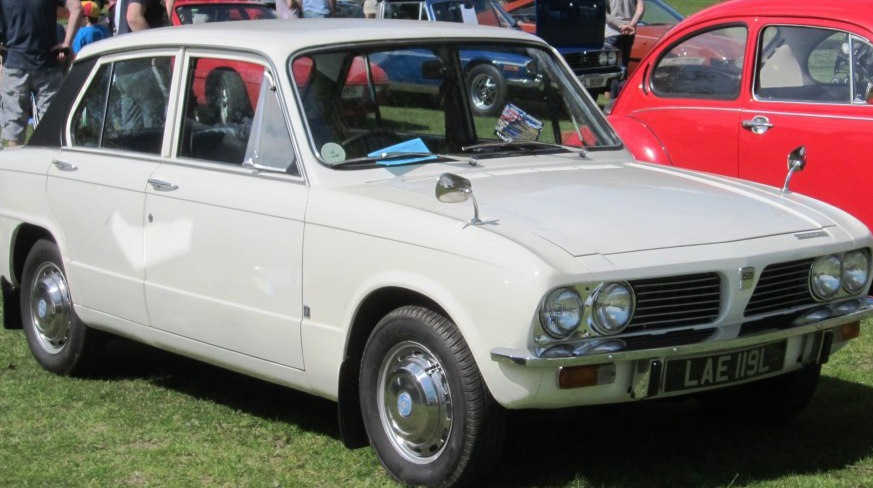
The Triumph 1500, produced between 1970 and 1974, represented a significant step in the modernization of the Triumph sedan lineup. Positioned as a replacement for the Triumph Vitesse, the 1500 aimed to offer a more refined and accessible entry point into the Triumph range, particularly appealing to buyers seeking a comfortable and reliable family saloon. It was part of the broader effort by British Leyland to streamline and update its offerings following the merger of Triumph and other British automakers. The 1500, while not a high-performance model, was crucial in maintaining Triumph’s presence in the competitive mid-size car market. This variant, equipped with the 1.5-liter engine producing 62 horsepower, served as the base model, offering a balance between affordability and the traditional Triumph driving experience.
Technical Specifications
| Brand | Triumph |
| Model | 1500 |
| Generation | 1500 |
| Type (Engine) | 1.5 (62 Hp) |
| Start of Production | 1970 |
| End of Production | 1974 |
| Powertrain Architecture | Internal Combustion Engine |
| Body Type | Sedan |
| Fuel Type | Petrol (Gasoline) |
| Power | 62 Hp |
| Engine Aspiration | Naturally Aspirated |
Powertrain & Engine Architecture
The heart of the Triumph 1500 was its 1,493 cc (91.0 cu in) inline-four cylinder engine. This engine, designated as the SAH, was a relatively simple design, featuring a cast iron block and cylinder head. It utilized a single Zenith-Stromberg carburetor for fuel delivery, a common setup for British cars of the era. The engine’s valvetrain employed a single overhead camshaft (SOHC), operating two valves per cylinder. While not particularly powerful by modern standards, the engine was known for its smooth operation and reasonable torque delivery. The 62 horsepower output was achieved at 5,400 rpm, and peak torque of approximately 88 lb-ft was available at 3,400 rpm. The engine was paired exclusively with a four-speed manual transmission in the base 1500 model. Later models did offer an optional three-speed automatic transmission, though this was less common and impacted performance. The engine’s design prioritized reliability and ease of maintenance over outright performance, reflecting the intended market positioning of the car.
Driving Characteristics
The Triumph 1500 with the 1.5-liter engine and manual transmission offered a comfortable, if not exhilarating, driving experience. Acceleration was adequate for everyday driving, with a 0-60 mph time estimated around 16-18 seconds. The four-speed manual gearbox provided a reasonable spread of ratios, allowing the engine to operate efficiently at cruising speeds. The car’s suspension, featuring independent front suspension with coil springs and a live axle rear suspension with leaf springs, provided a comfortable ride, absorbing bumps and imperfections in the road surface effectively. However, the handling was not particularly sporty, with noticeable body roll in corners. Compared to the higher-performance Triumph Vitesse, the 1500 felt noticeably slower and less engaging. The automatic transmission version further diminished performance, resulting in slower acceleration and a less responsive driving experience. The automatic, while offering convenience, significantly reduced the car’s overall drivability.
Equipment & Trim Levels
The Triumph 1500 was relatively well-equipped for its price point, offering a good level of comfort and convenience. Standard features included reclining front seats, a heater, and a comprehensive instrument panel with gauges for speed, fuel level, coolant temperature, and oil pressure. The interior trim was typically cloth upholstery, available in a range of colors. The dashboard was constructed from wood veneer, adding a touch of elegance to the cabin. Optional extras included a radio, a vinyl roof, and upgraded interior trim materials. The 1500 was offered in a limited range of exterior colors, typically consisting of solid colors and a few metallic options. The trim level was fairly basic, focusing on providing essential features without excessive luxury. It was positioned as a practical and affordable family car, and the equipment reflected this.
Chassis & Braking
The Triumph 1500 utilized a traditional body-on-frame construction, providing a robust and durable chassis. The front suspension featured independent double wishbones with coil springs and an anti-roll bar, while the rear suspension employed a live axle with leaf springs. The braking system consisted of disc brakes on the front wheels and drum brakes on the rear wheels. The brakes were hydraulically operated and provided adequate stopping power for the car’s weight and performance. Steering was by a conventional steering rack and pinion system, offering reasonable precision and feedback. The chassis and braking system were designed to provide a safe and reliable driving experience, prioritizing stability and control over outright performance. The rear drum brakes, while adequate, were a point of criticism compared to the all-disc setups found on some of its competitors.
Market Reception & Comparison
The Triumph 1500 was generally well-received by critics and buyers alike. It was praised for its comfortable ride, spacious interior, and reasonable price. However, it was also criticized for its relatively low power output and somewhat dated styling. Compared to its rivals, such as the Ford Cortina and Vauxhall Victor, the Triumph 1500 offered a more refined and sophisticated driving experience, but lacked the outright performance of some of its competitors. Fuel economy was reasonable for the time, averaging around 28-32 mpg. Reliability was generally good, although the car was prone to some of the common issues associated with British cars of the era, such as electrical problems and oil leaks. The 1500’s automatic transmission variant was often criticized for its sluggish performance and reduced fuel economy.
Legacy
The Triumph 1500, while not a groundbreaking model, played an important role in the history of Triumph. It provided a much-needed entry-level model in the Triumph range, attracting a wider range of buyers. The 1.5-liter engine proved to be a reliable and durable unit, and many examples of the Triumph 1500 are still on the road today. In the used car market, the 1500 is appreciated by enthusiasts for its classic styling, comfortable ride, and relatively simple mechanicals. Parts availability is generally good, although some components can be difficult to find. The manual transmission versions are generally more desirable than the automatic models, due to their superior performance and driving experience. The Triumph 1500 remains a popular choice for classic car enthusiasts seeking a stylish and affordable British saloon.
