
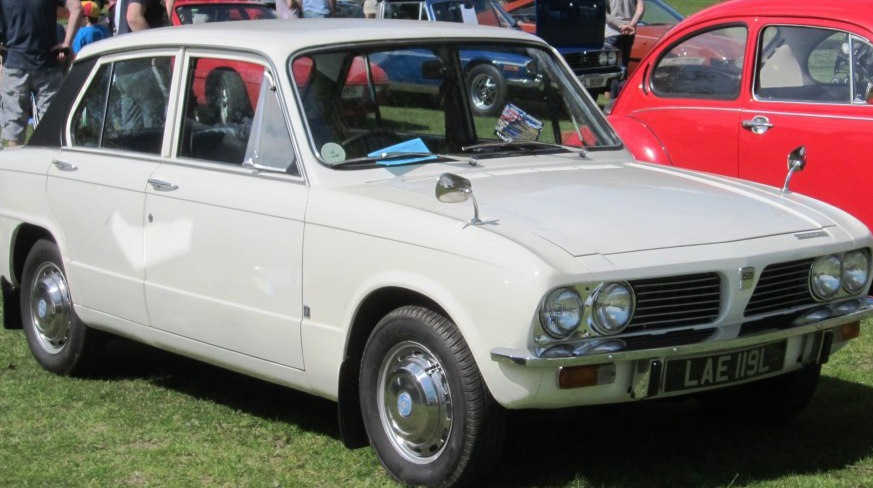
The Triumph 1500 1.5 TC, produced between 1975 and 1977, represents a crucial mid-life update to the Triumph Dolomite range. Positioned as a more accessible entry point into the Dolomite family, the 1.5 TC offered a blend of British motoring tradition with a focus on fuel efficiency and comfortable everyday driving. It occupied a space below the more powerful 1850 models, appealing to buyers seeking a practical and reliable sedan without the higher running costs associated with larger engines. This variant was a key component in Triumph’s attempt to maintain market share in a rapidly changing automotive landscape, facing increasing competition from Japanese imports.
Technical Specifications
| Brand | Triumph |
| Model | 1500 |
| Generation | 1500 |
| Type (Engine) | 1.5 TC (72 Hp) |
| Start of Production | 1975 |
| End of Production | 1977 |
| Powertrain Architecture | Internal Combustion Engine |
| Body Type | Sedan |
| Fuel Type | Petrol (Gasoline) |
| Power | 72 Hp |
| Engine Aspiration | Naturally Aspirated |
Powertrain & Engine Architecture
The heart of the Triumph 1500 1.5 TC is its 1493cc inline-four cylinder engine, designated the SAH engine code. This engine, derived from the larger Dolomite 1850 unit, was detuned to prioritize fuel economy and provide a smoother, more tractable driving experience. It features a single overhead camshaft (SOHC) operating a two-valve per cylinder configuration. The engine utilizes a Zenith-Stromberg 175CD carburetor for fuel delivery, a common setup for British cars of this era. While not as sophisticated as fuel injection, the carburetor provided reliable performance and was relatively easy to maintain. The engine’s compression ratio is 8.5:1, contributing to its ability to run on lower octane fuel.
The 1.5 TC was exclusively offered with a four-speed manual transmission with overdrive on the third and fourth gears. This transmission was known for its smooth operation and helped to improve fuel efficiency on longer journeys. The overdrive feature, activated by a steering column-mounted switch, allowed the engine to cruise at highway speeds with reduced engine revolutions, further enhancing fuel economy and reducing wear. The engine’s power output of 72 horsepower at 5,500 rpm and 88 lb-ft of torque at 3,500 rpm, while modest, was sufficient for comfortable cruising and everyday driving.
Driving Characteristics
The Triumph 1500 1.5 TC offered a distinctly British driving experience. The 1.5-liter engine, while not particularly powerful, provided adequate performance for typical 1970s motoring. Acceleration was respectable, but not sporty, with a 0-60 mph time of around 14 seconds. The four-speed manual transmission with overdrive was well-suited to the engine’s characteristics, providing smooth gear changes and allowing for relaxed cruising. The overdrive function was particularly useful for highway driving, reducing engine noise and improving fuel economy.
Compared to the more powerful Dolomite 1850, the 1500 TC felt less urgent in its acceleration, but it offered a more refined and fuel-efficient driving experience. The suspension, while comfortable, was not as sporty as some of its competitors, resulting in a slightly softer and more forgiving ride. The steering was light and precise, making the car easy to maneuver in urban environments. Overall, the 1500 TC was a pleasant and practical car to drive, offering a good balance of comfort, economy, and reliability.
Equipment & Trim Levels
The Triumph 1500 1.5 TC was generally well-equipped for its price point. Standard features included reclining front seats, a heater, and a comprehensive instrument panel with gauges for speed, fuel level, coolant temperature, and oil pressure. The interior trim was typically cloth upholstery in a variety of colors, with options for vinyl upholstery available. The dashboard was constructed from wood veneer, adding a touch of British elegance to the cabin.
Optional extras included a sunroof, a radio, and upgraded interior trim. The 1.5 TC was positioned as a mid-range model within the Dolomite lineup, offering a good balance of features and affordability. It lacked some of the luxury appointments found in the higher-spec 1850 models, but it provided a comfortable and well-equipped interior for everyday use.
Chassis & Braking
The Triumph 1500 1.5 TC utilized a traditional body-on-frame construction, providing a robust and durable chassis. The suspension consisted of independent front suspension with coil springs and a live axle rear suspension with leaf springs. This setup provided a comfortable ride, but it was not as sophisticated as the fully independent suspension found on some of its competitors. The car’s weight was approximately 2,300 lbs, contributing to its relatively nimble handling.
The braking system consisted of disc brakes on the front wheels and drum brakes on the rear wheels. While adequate for normal driving conditions, the braking system was not particularly powerful by modern standards. The car’s steering was a rack-and-pinion system, providing precise and responsive steering feel. The 1500 TC rode on 175/70R14 tires, which provided a good balance of grip and ride comfort.
Market Reception & Comparison
The Triumph 1500 1.5 TC was generally well-received by automotive critics. It was praised for its fuel efficiency, comfortable ride, and reliable engine. However, some critics noted that its performance was somewhat lackluster compared to its competitors. Compared to the Dolomite 1850, the 1500 TC offered better fuel economy but less power. Compared to Japanese imports like the Datsun 1600, the Triumph offered a more refined driving experience but was generally more expensive to maintain.
Fuel economy was a key selling point for the 1500 TC, averaging around 28 mpg in mixed driving conditions. Reliability was generally good, although the car’s British Leyland heritage meant that it was prone to some electrical and mechanical issues. Despite these issues, the 1500 TC remained a popular choice for buyers seeking a practical and affordable sedan.
Legacy
The Triumph 1500 1.5 TC, while a relatively short-lived model, holds a significant place in British automotive history. It represents a transitional period for Triumph, as the company struggled to adapt to changing market conditions. The SAH engine, while not a powerhouse, proved to be a reliable and durable unit, and many examples are still on the road today.
In the used car market, the 1500 TC is valued by enthusiasts for its classic British styling and its relatively simple mechanical design. Parts availability can be a challenge, but a dedicated network of Triumph owners and suppliers ensures that spares are still obtainable. The 1500 TC remains a charming and affordable classic car, offering a glimpse into a bygone era of British motoring. Its enduring appeal lies in its blend of practicality, reliability, and understated elegance.
