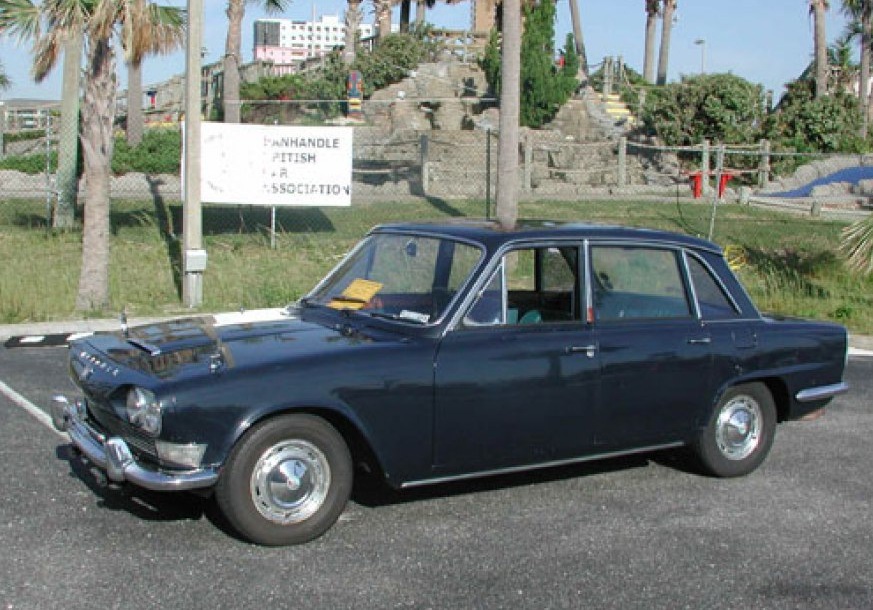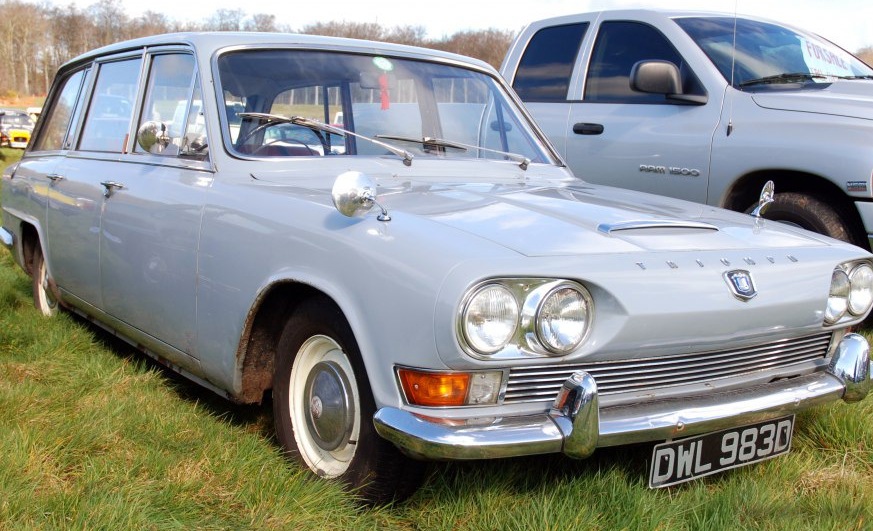
The Triumph 2.5 PI MK I Estate, produced between 1969 and 1974, represents a sophisticated and relatively rare iteration of Triumph’s 2.5 PI model line. Positioned as a practical, yet luxurious, station wagon (estate) variant, it offered a blend of performance and usability that appealed to a niche market seeking a more refined alternative to mainstream family cars. The “PI” designation stands for “Fuel Injection,” highlighting a key technological feature for its time. This model occupied a unique space within Triumph’s lineup, offering the advanced fuel injection system typically found on the saloon models, but packaged in a more versatile estate body style. It was built upon the existing 2.5 PI platform, sharing its core mechanical components but distinguished by its extended rear bodywork.
Technical Specifications
| Brand | Triumph |
| Model | 2.5 PI MK I Estate |
| Generation | 2.5 PI MK I |
| Type (Engine) | 2.5 (122 Hp) |
| Start of Production | 1969 |
| End of Production | 1974 |
| Powertrain Architecture | Internal Combustion Engine |
| Body Type | Station Wagon (Estate) |
| Fuel Type | Petrol (Gasoline) |
| Power | 122 Hp |
| Engine Aspiration | Naturally Aspirated |
Powertrain & Engine Architecture
The heart of the Triumph 2.5 PI MK I Estate is its 2.5-liter inline-six cylinder engine. This engine, designated as the 2.5 PI, was a significant advancement for Triumph, primarily due to its adoption of Bosch mechanical fuel injection. This system, a complex setup for the era, replaced the traditional carburetor, offering improved fuel efficiency, smoother power delivery, and increased power output compared to carbureted counterparts. The engine boasts a displacement of 2,498 cc (152.3 cubic inches) and produces 122 horsepower. The engine block is cast iron, while the cylinder head is aluminum alloy. It features a single overhead camshaft operating two valves per cylinder. The Bosch fuel injection system utilizes a distributor-type pump, metering fuel based on engine speed and manifold vacuum. The engine is mated to a three-speed automatic transmission, a Borg-Warner unit, which was standard equipment for the Estate model. A four-speed manual transmission was available as an option, but the automatic was far more common, catering to the comfort-oriented nature of the estate car.
Driving Characteristics
The 2.5 PI MK I Estate, equipped with the automatic transmission, offered a relaxed and refined driving experience. While not overtly sporty, the 122 hp engine provided adequate power for comfortable cruising and overtaking. The automatic transmission, while smooth, did impact acceleration compared to the manual version. Gear ratios were optimized for comfortable highway driving, with a focus on minimizing engine revs at cruising speeds. The Estate’s increased weight, compared to the saloon, further diminished its outright performance. However, the fuel injection system ensured a responsive throttle and a relatively flat torque curve, making it easy to drive in various conditions. The steering was power-assisted, contributing to the ease of maneuverability, and the suspension, while somewhat firm by modern standards, provided a good balance between ride comfort and handling.
Equipment & Trim Levels
The 2.5 PI MK I Estate was positioned as a premium vehicle, and its standard equipment reflected this. Interior appointments included comfortable seating upholstered in Ambla vinyl and woven fabric, wood veneer trim on the dashboard and door panels, and a comprehensive instrument panel featuring gauges for speed, temperature, fuel level, and oil pressure. Electric windows were standard on the Estate, a feature not always found on contemporary vehicles. Other standard features included a heated rear window, a radio, and a comprehensive toolkit. Optional extras included a sunroof, air conditioning (a rare option), and a more luxurious interior trim package. The Estate typically featured a larger cargo area than the saloon, making it a practical choice for families and those requiring additional carrying capacity.
Chassis & Braking
The Triumph 2.5 PI MK I Estate utilized a traditional body-on-frame construction, providing a robust and durable chassis. The suspension system consisted of independent front suspension with coil springs and wishbones, and a live axle rear suspension with leaf springs. The Estate’s suspension was tuned to provide a comfortable ride, but the increased weight of the bodywork did necessitate slightly firmer spring rates compared to the saloon. Braking was accomplished via Dunlop disc brakes on all four wheels, offering excellent stopping power for the era. Power steering was standard, making the car easier to maneuver, particularly at low speeds. The Estate’s wheelbase was slightly longer than the saloon to accommodate the extended bodywork, contributing to improved stability.
Market Reception & Comparison
The Triumph 2.5 PI MK I Estate received generally positive reviews from automotive critics. It was praised for its refined engine, comfortable ride, and practical body style. However, the car’s relatively high price and the complexity of the fuel injection system were often cited as drawbacks. Compared to other estate cars of the time, such as the Volvo 145 and the Vauxhall Cresta Estate, the Triumph offered a more sophisticated and luxurious experience, but at a higher cost. The automatic transmission, while convenient, was seen as detracting from the car’s performance potential. Fuel economy, while improved by the fuel injection system, was still relatively modest by modern standards. Reliability of the fuel injection system could be a concern, requiring skilled maintenance to ensure optimal performance.
Legacy
The Triumph 2.5 PI MK I Estate remains a desirable classic car today, appreciated for its rarity, elegant styling, and advanced engineering. The fuel injection system, while complex, is considered a landmark achievement in automotive technology for its time. The Estate’s practicality and comfortable ride make it a suitable choice for classic car rallies and touring events. However, maintaining a 2.5 PI requires a dedicated owner with access to specialist knowledge and parts. The fuel injection system requires regular servicing, and finding replacement parts can be challenging. Despite these challenges, the Triumph 2.5 PI MK I Estate continues to hold its value in the used car market, appealing to enthusiasts who appreciate its unique blend of performance, luxury, and practicality. The automatic transmission variant, while less sought after by some performance enthusiasts, remains a popular choice for those seeking a comfortable and refined classic motoring experience.