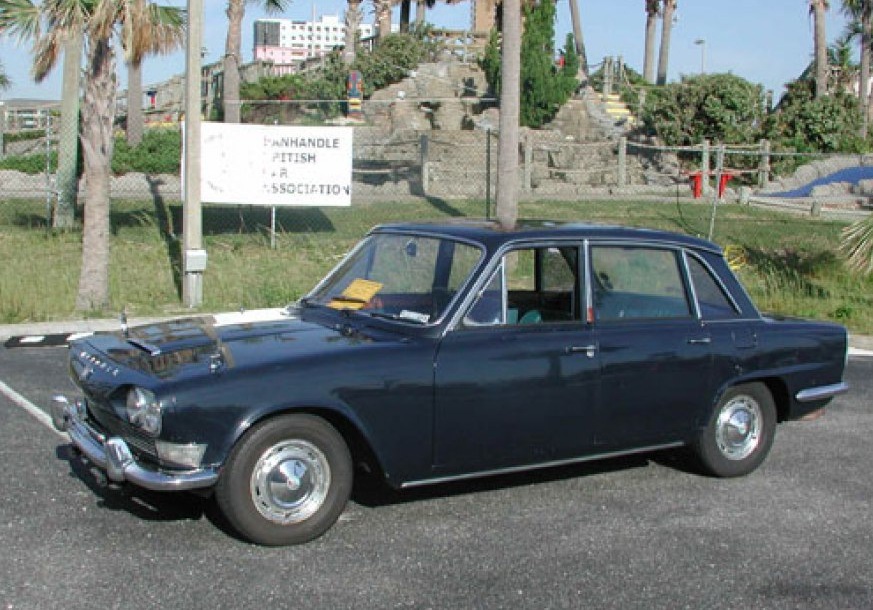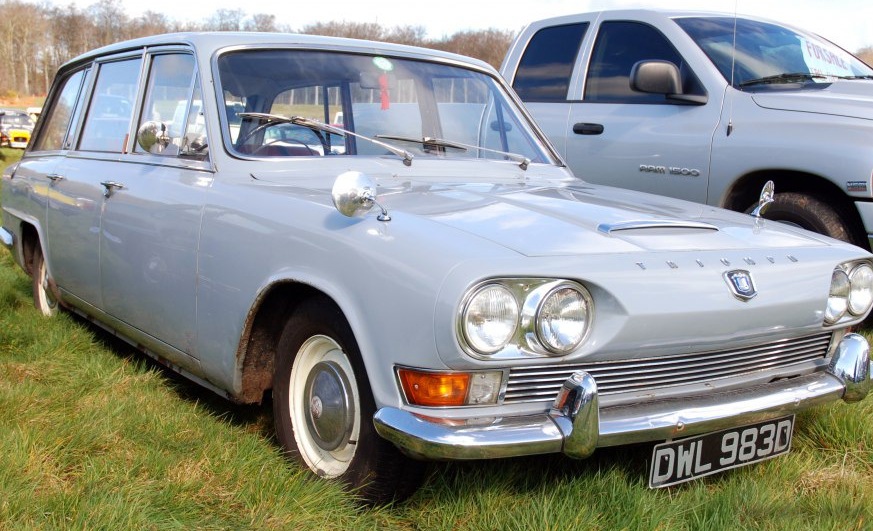
The Triumph 2.5 PI MK I Estate, produced between 1969 and 1975, represents a sophisticated and relatively rare iteration of the Triumph 2.5 PI model range. Positioned as the practical, family-oriented variant, the Estate (station wagon) body style combined the performance and luxury of the 2.5 PI saloon with increased cargo capacity. This model occupied a unique niche, appealing to buyers who desired a blend of British motoring refinement and everyday usability. It was a product of the British Leyland era, and while mechanically similar to its saloon counterpart, the Estate offered a distinct visual presence and a slightly altered driving experience due to its increased weight and altered weight distribution. The “PI” designation stands for “Fuel Injection,” highlighting a key technological feature for its time.
Technical Specifications
| Brand | Triumph |
| Model | 2.5 PI MK I Estate |
| Generation | 2.5 PI MK I |
| Type (Engine) | 2.5 (134 Hp) |
| Start of Production | 1969 |
| End of Production | 1975 |
| Powertrain Architecture | Internal Combustion Engine |
| Body Type | Station Wagon (Estate) |
| Fuel Type | Petrol (Gasoline) |
| Power | 134 Hp |
| Engine Aspiration | Naturally Aspirated |
Powertrain & Engine Architecture
The heart of the Triumph 2.5 PI MK I Estate is its 2.5-liter inline-six cylinder engine. This engine, designated as the 2.5 PI, is notable for its Lucas mechanical fuel injection system – a relatively advanced feature for a production car of the late 1960s and early 1970s. The Lucas system, while offering improved performance and fuel efficiency compared to carbureted engines, was also known for its complexity and potential maintenance requirements. The engine boasts a displacement of 2,498 cc (152.3 cubic inches) and produces 134 horsepower at 5,500 rpm. Torque figures are approximately 164 lb-ft at 4,000 rpm. The engine features a single overhead camshaft operating two valves per cylinder. The cylinder head is made of aluminum alloy, contributing to weight reduction. The Estate variant utilized the same engine and transmission options as the saloon, but the added weight of the bodywork did impact overall performance. The transmission offered was either a four-speed manual with overdrive or a three-speed automatic. The automatic transmission, a Borg-Warner unit, was a popular choice for buyers prioritizing comfort and ease of driving.
Driving Characteristics
The Triumph 2.5 PI MK I Estate, even with the automatic transmission, offered a surprisingly spirited driving experience for a vehicle of its size and era. The inline-six engine provided smooth and refined power delivery, and the fuel injection system ensured responsive acceleration. However, the automatic transmission, while convenient, did detract somewhat from the overall performance compared to the manual gearbox. Gear ratios were optimized for cruising comfort rather than outright acceleration. The Estate’s increased weight (approximately 3,300 lbs) meant that acceleration was slightly slower than the saloon, and handling was a bit less nimble. The suspension, featuring independent front suspension with coil springs and a live axle with semi-elliptic leaf springs in the rear, provided a comfortable ride, but body roll was noticeable during cornering. Steering was by rack and pinion, offering precise control, although it required a reasonable amount of effort.
Equipment & Trim Levels
The 2.5 PI MK I Estate was positioned as a premium vehicle, and as such, it came equipped with a generous array of standard features. Interior appointments included comfortable seating upholstered in Ambla vinyl (a durable and attractive material), wood veneer trim on the dashboard and door panels, and a comprehensive instrument panel with gauges for speed, temperature, fuel level, and oil pressure. Electric windows were often included, and a push-button radio was a common option. The Estate’s rear cargo area was spacious and practical, with a folding rear seat to increase carrying capacity. Optional extras included a sunroof, air conditioning (rare), and a more luxurious interior trim package. The trim levels were relatively simple, with most variations coming down to optional equipment choices rather than distinct trim designations.
Chassis & Braking
The chassis of the Triumph 2.5 PI MK I Estate was based on a separate chassis and body construction. The front suspension utilized independent double wishbones with coil springs and an anti-roll bar. The rear suspension employed a live axle with semi-elliptic leaf springs. Braking was initially provided by Dunlop disc brakes on the front wheels and drum brakes on the rear wheels. Later models saw the introduction of disc brakes all around, improving stopping performance. The steering system was a rack and pinion setup, providing responsive and accurate steering. The Estate’s wheelbase was slightly longer than the saloon to accommodate the extended bodywork, contributing to a more stable ride. Stabilizer bars were fitted to both the front and rear suspension to reduce body roll during cornering.
Market Reception & Comparison
The Triumph 2.5 PI MK I Estate received generally positive reviews from automotive critics. It was praised for its stylish design, comfortable ride, and refined engine. However, the Lucas fuel injection system was often criticized for its complexity and potential reliability issues. Compared to other estate cars of the era, such as the Volvo 145 and the Vauxhall Cresta Estate, the Triumph offered a more sporting driving experience and a more luxurious interior. Fuel economy was reasonable for the time, averaging around 18-22 mpg. The Estate was more expensive than the saloon, reflecting its increased practicality and exclusivity. Compared to the manual transmission versions, the automatic Estate was seen as slightly less engaging to drive, but it appealed to a wider range of buyers who prioritized convenience.
Legacy
The Triumph 2.5 PI MK I Estate remains a desirable classic car today, appreciated for its elegant styling, refined engineering, and relative rarity. The Lucas fuel injection system continues to be a source of maintenance challenges for owners, requiring specialized knowledge and parts. However, a dedicated community of Triumph enthusiasts exists, providing support and resources for keeping these cars on the road. The Estate variant is particularly sought after by collectors and enthusiasts who appreciate its practicality and unique character. While not as numerous as the saloon, the Estate has secured its place as a significant and charming example of British automotive design and engineering from the 1970s. Good examples command strong prices in the classic car market, and the car continues to be enjoyed by enthusiasts around the world.