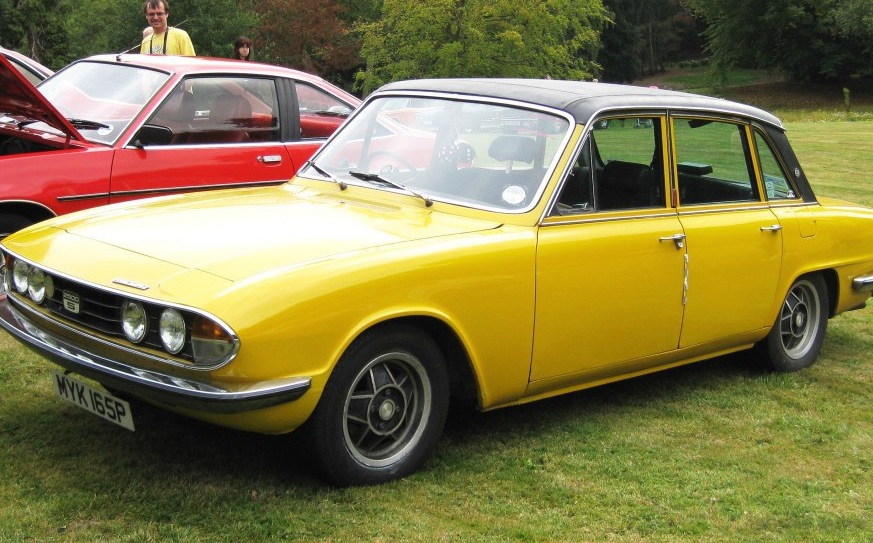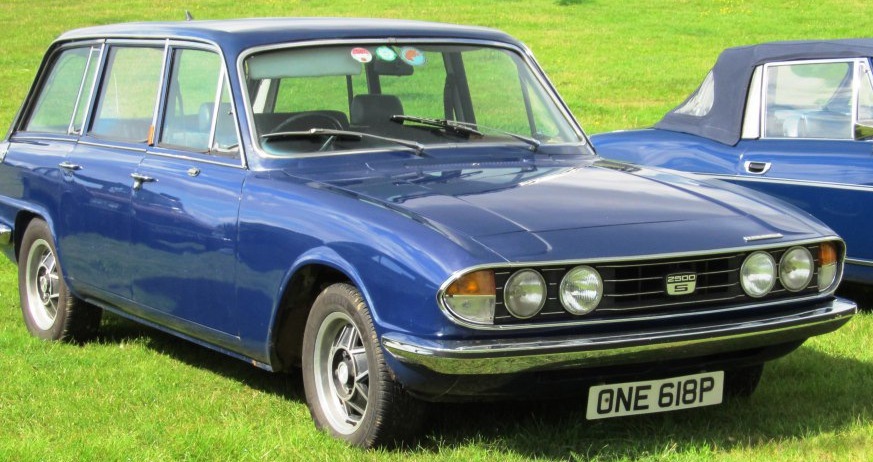
The Triumph 2500 Estate TC, produced between 1974 and 1975, represents a relatively rare and often overlooked variant of the Triumph 2500 saloon. Positioned as the practical, family-oriented version of Triumph’s flagship model, the Estate TC (Touring Car) offered a blend of British luxury and load-carrying capability. It was built upon the existing 2500 platform, sharing its mechanical components but distinguished by its extended bodywork and increased versatility. Production numbers were significantly lower than the saloon, making it a sought-after vehicle among Triumph enthusiasts today. The 2500 range, including the Estate, was Triumph’s final attempt to create a large, upmarket saloon and estate before the firm’s eventual demise in 1984.
Technical Specifications
| Brand | Triumph |
| Model | 2500 |
| Generation | 2500 Estate |
| Type (Engine) | TC (100 Hp) |
| Start of Production | 1974 |
| End of Production | 1975 |
| Powertrain Architecture | Internal Combustion Engine |
| Body Type | Station Wagon (Estate) |
| Fuel Type | Petrol (Gasoline) |
| Power | 100 Hp |
| Engine Aspiration | Naturally Aspirated |
Powertrain & Engine Architecture
The Triumph 2500 Estate TC was powered by the Triumph 2.5-liter inline six-cylinder engine, designated the TC variant. This engine, also found in the saloon, produced 100 horsepower at 5000 rpm and 148 lb-ft of torque at 3000 rpm. It featured a single overhead camshaft, operating two valves per cylinder. The engine utilized a Zenith-Stromberg 175CD carburetor for fuel delivery, a system known for its relative simplicity but requiring periodic adjustment to maintain optimal performance. The TC engine was a development of the earlier 2.5-liter unit, incorporating minor refinements to improve reliability and driveability.
The Estate TC was exclusively offered with a Borg-Warner Type 35 automatic transmission. This three-speed automatic was a common choice for luxury cars of the era, providing smooth, effortless shifting. The transmission was known for its durability but could feel somewhat sluggish compared to the available four-speed manual gearbox found in other 2500 models. The automatic transmission’s torque converter multiplied engine torque, aiding in low-speed acceleration, but also resulted in some power loss compared to the manual transmission.
Driving Characteristics
The 100 hp output and automatic transmission combination resulted in a driving experience geared towards comfortable cruising rather than spirited performance. Acceleration was adequate for the time, with a 0-60 mph time estimated around 13-14 seconds. The automatic transmission, while convenient, did detract from the overall responsiveness of the car. Downshifts were not particularly quick, and the transmission sometimes hunted for the correct gear on inclines. However, the smooth operation of the engine and transmission made for a relaxed and refined driving experience, particularly on long journeys. The Estate’s increased weight compared to the saloon, due to the extended bodywork, further impacted performance, making it feel slightly less nimble. The steering, while unassisted, was relatively light and precise, providing a good connection to the road.
Equipment & Trim Levels
The Triumph 2500 Estate TC was generally well-equipped for its time, reflecting its positioning as a premium vehicle. Standard features included reclining front seats, a wood-rimmed steering wheel, and a comprehensive instrument panel with gauges for oil pressure, coolant temperature, and fuel level. The interior was typically trimmed in Ambla vinyl upholstery, available in a range of colors. The Estate TC also featured a rear window wiper, a necessity for a station wagon, and a large cargo area with a folding rear seat for increased versatility. Optional extras included a sunroof, a radio, and power-assisted steering (though this was rare). The trim level was largely consistent across the Estate TC models, with few options for significant upgrades beyond the accessories mentioned.
Chassis & Braking
The Triumph 2500 Estate TC utilized a separate chassis construction, with a robust ladder frame supporting the body. The front suspension featured independent double wishbones with coil springs and anti-roll bar, while the rear suspension employed a live axle with leaf springs. The braking system consisted of Dunlop disc brakes on the front wheels and drum brakes on the rear. The drum brakes on the rear were a cost-saving measure and a point of criticism, as they offered less stopping power than disc brakes. The Estate TC’s suspension was tuned for comfort, providing a relatively smooth ride, but it could exhibit some body roll in corners. The steering was a traditional recirculating ball system, offering good feel but requiring a reasonable amount of effort.
Market Reception & Comparison
The Triumph 2500 Estate TC received generally positive reviews from contemporary motoring publications. Critics praised its spacious interior, comfortable ride, and refined engine. However, the automatic transmission was often criticized for its lack of responsiveness, and the drum brakes on the rear were considered inadequate for a car of its size and weight. Compared to other 2500 variants, the Estate TC was seen as a more practical and family-friendly option, but it sacrificed some of the sporting character of the saloon. The manual transmission versions of the 2500 were favored by enthusiasts for their greater driver involvement. Fuel economy was typical for a large saloon of the era, averaging around 18-22 mpg. Reliability was generally good, although the Zenith-Stromberg carburetor required regular maintenance to prevent issues.
Legacy
Today, the Triumph 2500 Estate TC is a relatively rare and collectible classic car. Its low production numbers and unique body style have made it a favorite among Triumph enthusiasts. The 2.5-liter engine and Borg-Warner automatic transmission, while not the most exciting combination, are generally reliable and relatively easy to maintain. Parts availability can be a challenge, but a dedicated network of Triumph specialists and suppliers exists to support owners. The Estate TC’s value has been steadily increasing in recent years, reflecting its growing popularity and rarity. While it may not offer the performance of some of its contemporaries, the Triumph 2500 Estate TC remains a charming and distinctive example of British automotive engineering, offering a unique blend of luxury, practicality, and classic style.