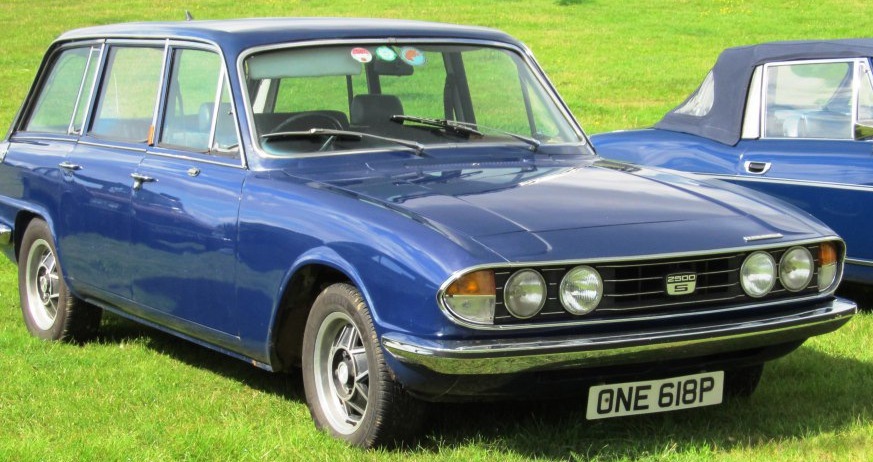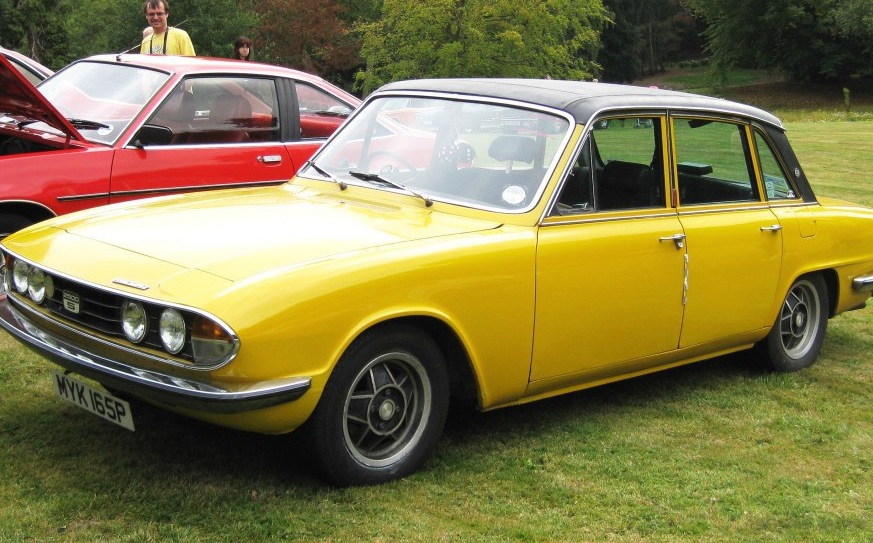
The Triumph 2500 S, produced between 1975 and 1977, represented a refined iteration of the Triumph 2500 saloon. Positioned as the sporting variant within the 2500 range, it aimed to offer a more engaging driving experience while retaining the comfort and practicality expected of a large British sedan. The 2500 series, and specifically the ‘S’ model, was a late attempt by the British Leyland Motor Corporation to revitalize the Triumph brand, building upon the foundation laid by the earlier Dolomite range and utilizing a newly developed inline-six engine. It was a key model in a period of significant upheaval for British Leyland, and its relatively short production run reflects the challenges faced by the company at the time.
Technical Specifications
| Brand | Triumph |
| Model | 2500 |
| Generation | 2500 |
| Type (Engine) | S (106 Hp) |
| Start of production | 1975 |
| End of production | 1977 |
| Powertrain Architecture | Internal Combustion engine |
| Body type | Sedan |
| Seats | 5 |
| Doors | 4 |
| Fuel consumption (extra urban) | 8.3 l/100 km (28.3 US mpg) |
| Fuel Type | Petrol (Gasoline) |
| Acceleration 0 – 60 mph | 11.1 sec |
| Maximum speed | 169 km/h (105.01 mph) |
| Weight-to-power ratio | 11.5 kg/Hp |
| Weight-to-torque ratio | 6.5 kg/Nm |
| Power | 106 Hp @ 4700 rpm |
| Power per litre | 42.4 Hp/l |
| Torque | 188 Nm @ 2750 rpm (138.66 lb.-ft. @ 2750 rpm) |
| Engine layout | Front, Longitudinal |
| Engine displacement | 2498 cm3 (152.44 cu. in.) |
| Number of cylinders | 6 |
| Engine configuration | Inline |
| Cylinder Bore | 74.7 mm (2.94 in.) |
| Piston Stroke | 95 mm (3.74 in.) |
| Compression ratio | 8.5:1 |
| Number of valves per cylinder | 2 |
| Fuel injection system | Multi-port manifold injection |
| Engine aspiration | Naturally aspirated engine |
| Valvetrain | OHV |
| Engine oil capacity | 5.1 l (5.39 US qt | 4.49 UK qt) |
| Coolant | 7.66 l (8.09 US qt | 6.74 UK qt) |
| Kerb Weight | 1223 kg (2696.25 lbs.) |
| Length | 4655 mm (183.27 in.) |
| Width | 1712 mm (67.4 in.) |
| Height | 1435 mm (56.5 in.) |
| Wheelbase | 2690 mm (105.91 in.) |
| Front track | 1346 mm (52.99 in.) |
| Rear track | 1332 mm (52.44 in.) |
| Minimum turning circle | 10.4 m (34.12 ft.) |
| Drivetrain Architecture | Rear wheel drive |
| Number of gears and type of gearbox | 4 gears, manual transmission |
| Front suspension | Independent coil spring |
| Rear suspension | Independent coil spring |
| Front brakes | Disc, 247.65 mm |
| Rear brakes | Drum, 228.6×44.45 mm |
| Steering type | Steering rack and pinion |
| Wheel rims size | Front/Rear: 5.5J x 14 |
Powertrain & Engine Architecture
The heart of the Triumph 2500 S was its 2.5-liter inline-six engine, designated as the OHC engine. This engine, a significant departure from Triumph’s earlier designs, featured a single overhead camshaft operating two valves per cylinder. The ‘S’ variant produced 106 horsepower at 4700 rpm and 188 Nm (138.66 lb-ft) of torque at 2750 rpm. Fuel delivery was managed by a Bosch multi-port fuel injection system, a relatively sophisticated feature for the time, contributing to improved fuel efficiency and smoother power delivery compared to carbureted engines. The engine’s robust bottom end and well-designed cylinder head allowed for a relatively high compression ratio of 8.5:1. The engine was mounted longitudinally in the front of the car, driving the rear wheels. The 2500 S was equipped with a four-speed manual transmission, offering a direct and engaging driving experience. An optional three-speed automatic transmission was also available, though it was less common and generally considered to diminish the car’s sporting character.
Driving Characteristics
The Triumph 2500 S, with its 106 hp and manual transmission, offered a respectable, if not exhilarating, driving experience. Acceleration to 60 mph took approximately 11.1 seconds, and the car could reach a top speed of around 105 mph. The engine’s torque peak at 2750 rpm meant that it provided ample power for everyday driving, with strong acceleration in the mid-range. Compared to the standard 2500, the ‘S’ model benefited from a slightly more responsive throttle and a generally more eager feel. The manual gearbox was well-matched to the engine’s characteristics, providing precise shifts and allowing the driver to fully exploit the engine’s power. While not a true sports car, the 2500 S offered a good balance of performance, comfort, and refinement.
Equipment & Trim Levels
The Triumph 2500 S was generally well-equipped for its time. Standard features included reclining front seats, a wood-trimmed dashboard, and a comprehensive instrument panel. The interior was typically upholstered in cloth, although leather was available as an optional extra. The ‘S’ model also featured a sports steering wheel and a more supportive seat design compared to the base 2500. Optional extras included a sunroof, power-assisted steering, and a stereo system. The exterior of the 2500 S was distinguished by its chrome trim, sporty wheels, and often, a contrasting roof color.
Chassis & Braking
The Triumph 2500 S utilized a robust chassis with independent coil spring suspension at both the front and rear. This suspension setup provided a comfortable ride while maintaining good handling characteristics. The front brakes were disc brakes, providing ample stopping power, while the rear brakes were drums. The steering was a rack and pinion system, offering precise and responsive control. The car’s weight distribution was reasonably well-balanced, contributing to its neutral handling characteristics. The 2500 S rode on 5.5J x 14 inch wheels, fitted with radial tires.
Market Reception & Comparison
The Triumph 2500 S was generally well-received by automotive critics, who praised its comfortable ride, refined engine, and good handling. However, some critics noted that the car lacked the outright performance of some of its rivals, such as the BMW 5 Series and the Mercedes-Benz W114. Compared to the standard 2500, the ‘S’ model was seen as a more engaging and enjoyable car to drive. The automatic transmission version, while offering convenience, was often criticized for dulling the car’s performance. Fuel economy was reasonable for the time, averaging around 28.3 US mpg on the extra-urban cycle.
Legacy
The Triumph 2500 S, despite its short production run, has become a sought-after classic car. The inline-six engine is known for its reliability and smooth operation, and the car’s overall build quality is generally good. However, like many British cars of this era, the 2500 S is susceptible to rust, and finding well-maintained examples can be challenging. Today, the 2500 S represents a stylish and refined alternative to more common classic saloons, offering a unique blend of British charm and engineering. Parts availability can be an issue, but a dedicated network of Triumph enthusiasts and specialist suppliers helps to keep these cars on the road.