
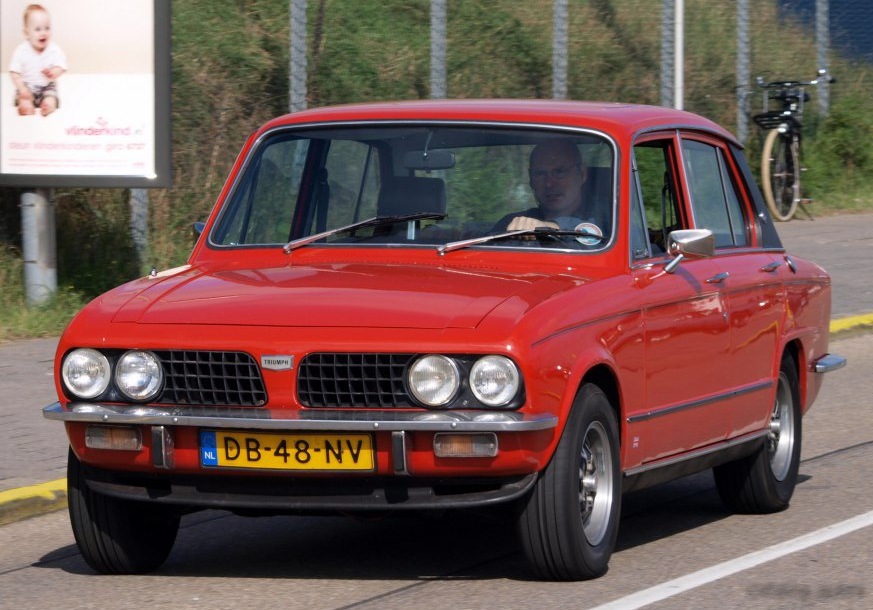
The Triumph Dolomite 1850 HL, produced between 1977 and 1981, represented a refined and relatively luxurious iteration of the Dolomite saloon. Positioned as a mid-range offering within the Dolomite lineup, it aimed to bridge the gap between the more basic models and the high-performance Sprint variant. The 1850 HL distinguished itself with a larger engine displacement and increased power output compared to the earlier 1500 models, while offering a more comfortable and well-equipped interior than its lower-spec siblings. It was a key part of Triumph’s attempt to offer a competitive family saloon in the British and export markets during a period of significant automotive change.
Technical Specifications
| Brand | Triumph |
| Model | Dolomite |
| Generation | Dolomite |
| Type (Engine) | 1850 HL (92 Hp) |
| Start of Production | 1977 |
| End of Production | 1981 |
| Powertrain Architecture | Internal Combustion Engine |
| Body Type | Sedan |
| Fuel Type | Petrol (Gasoline) |
| Power | 92 Hp |
| Engine Aspiration | Naturally Aspirated |
| Engine Oil Capacity | 4.5 l (4.76 US qt | 3.96 UK qt) |
Powertrain & Engine Architecture
The heart of the Dolomite 1850 HL was its 1854cc inline-four cylinder engine. This engine, internally designated as the ‘SAH’ unit, was an evolution of the earlier Dolomite 1500 engine, featuring a larger bore and stroke to increase displacement. It utilized a single overhead camshaft (SOHC) design, operating two valves per cylinder. The engine employed a Zenith-Stromberg 175CD carburetor for fuel delivery, a common setup for British cars of the era. The SAH engine was known for its relatively smooth operation and decent torque delivery, making it suitable for both town driving and longer journeys. The engine’s compression ratio was 8.5:1. Lubrication was achieved through a conventional wet sump system. The 1850 HL was exclusively offered with a four-speed manual transmission with overdrive, or a Borg-Warner three-speed automatic transmission. The automatic transmission, while providing convenience, did impact performance compared to the manual version.
Driving Characteristics
The Dolomite 1850 HL, equipped with the automatic transmission, offered a comfortable, if not particularly sporty, driving experience. Acceleration was adequate for the time, with a 0-60 mph time of around 13-14 seconds. The automatic gearbox featured relatively widely spaced gear ratios, prioritizing fuel economy and smooth cruising over rapid acceleration. The overdrive function, available on the manual transmission models, allowed for relaxed high-speed motorway driving. The steering was light and precise, although it lacked the feedback of more modern systems. The suspension, featuring independent front suspension and a live axle rear end, provided a reasonably comfortable ride, absorbing most road imperfections effectively. However, the car could exhibit some body roll during cornering. Compared to the manual version, the automatic 1850 HL felt noticeably slower, particularly when overtaking. The manual transmission allowed the engine to rev more freely, extracting more performance from the 92 horsepower.
Equipment & Trim Levels
The ‘HL’ designation in the Dolomite 1850 HL stood for ‘High Line,’ indicating a higher level of equipment compared to the base models. Standard features included reclining front seats, a wood-rimmed steering wheel, and a comprehensive instrument panel with gauges for oil pressure, coolant temperature, and fuel level. The interior trim was typically cloth upholstery, available in a range of colors. The dashboard featured wood veneer trim, adding to the car’s perceived luxury. Optional extras included a sunroof, a radio/cassette player, and upgraded upholstery materials. The 1850 HL also featured improved sound insulation compared to lower-spec models, contributing to a quieter cabin environment. Exterior features included chrome bumpers, brightwork around the windows, and distinctive wheel trims.
Chassis & Braking
The Dolomite 1850 HL utilized a traditional body-on-frame construction, providing a robust and durable chassis. The front suspension employed independent wishbones and coil springs, while the rear suspension featured a live axle with leaf springs. Braking was initially provided by Dunlop disc brakes on the front wheels and drum brakes on the rear. Later models saw the introduction of rear disc brakes as standard equipment, improving braking performance. The steering was a cam-and-pebble type, offering light and precise control. The car’s overall weight, around 2,500 lbs, contributed to its relatively nimble handling. Stabilizer bars were fitted to both the front and rear axles to reduce body roll during cornering.
Market Reception & Comparison
The Triumph Dolomite 1850 HL was generally well-received by automotive critics. It was praised for its comfortable ride, refined interior, and decent performance. However, it faced stiff competition from other British saloons, such as the Ford Cortina and Vauxhall Victor, as well as imports from Germany and Japan. Compared to the Dolomite 1500, the 1850 HL offered a noticeable improvement in performance and refinement. However, the automatic transmission version was often criticized for its sluggishness. The higher-performance Dolomite Sprint, with its fuel-injected engine and five-speed gearbox, offered a significantly more engaging driving experience, but at a higher price point. Fuel economy for the 1850 HL automatic was around 20-25 mpg, which was typical for a car of its size and era. Reliability was generally good, although the Zenith-Stromberg carburetor could sometimes require adjustment.
Legacy
The Triumph Dolomite 1850 HL, while not a groundbreaking vehicle, remains a fondly remembered classic British saloon. Its combination of comfort, style, and reasonable performance made it a popular choice for family motoring in the late 1970s and early 1980s. Today, well-maintained examples are sought after by classic car enthusiasts. The SAH engine, while not particularly high-tech, proved to be relatively durable and is still supported by a network of specialist parts suppliers. The automatic transmission, while not as desirable as the manual version, is generally reliable if properly maintained. Rust remains the biggest enemy of surviving Dolomite 1850 HLs, and finding a car in good condition can be challenging. However, for those seeking a stylish and comfortable classic British car, the Dolomite 1850 HL offers a compelling proposition.
