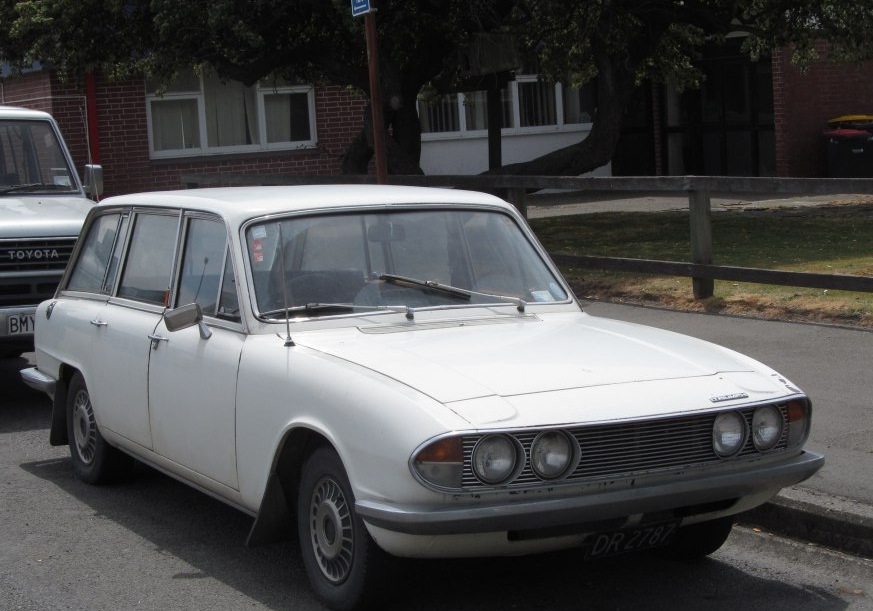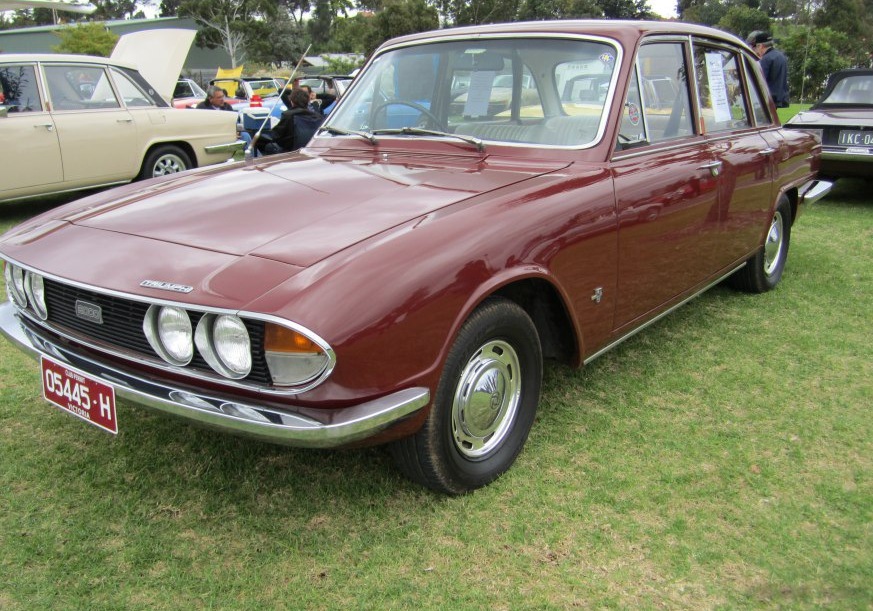
The Triumph 2000 MkII 2.0, produced between 1972 and 1975, represented a significant refinement of the 2000 saloon, aiming to address criticisms leveled at the original model while maintaining the core appeal of a comfortable, stylish, and relatively affordable six-cylinder British sedan. Positioned as the mainstream variant within the 2000 MkII range, the 2.0-liter, 90 horsepower engine offered a balance between performance and economy, making it a popular choice for both domestic and export markets. It built upon the foundation laid by the earlier MkI, incorporating numerous improvements to enhance reliability and driveability. The MkII series, and specifically this 2.0 variant, was a crucial part of Triumph’s attempt to remain competitive in a rapidly changing automotive landscape.
Technical Specifications
| Brand | Triumph |
| Model | 2000 MkII |
| Generation | 2000 MkII |
| Type (Engine) | 2.0 (90 Hp) |
| Start of Production | 1972 |
| End of Production | 1975 |
| Powertrain Architecture | Internal Combustion Engine |
| Body Type | Sedan |
| Fuel Type | Petrol (Gasoline) |
| Power | 90 Hp |
| Engine Aspiration | Naturally Aspirated |
Powertrain & Engine Architecture
The heart of the Triumph 2000 MkII 2.0 was the inline six-cylinder engine, displacing 1,998 cc (121.8 cubic inches). This engine, internally designated as the ‘T2000’, was a development of the earlier Triumph sixes, known for their smoothness and relatively high output for their size. The 90 horsepower figure was achieved through a mild increase in compression ratio and revised carburetor tuning compared to the earlier 2000 MkI. The engine featured a cast iron block and cylinder head, with a single overhead camshaft operating the valves via pushrods and rockers. Fuel delivery was handled by a Zenith-Stromberg carburetor, a common setup for British cars of the era. The MkII benefitted from improvements to the cooling system, addressing a common complaint with the MkI, and a revised exhaust system aimed at reducing emissions and improving exhaust flow.
The 2000 MkII 2.0 was typically paired with a Borg-Warner Type 35 automatic transmission, a three-speed unit known for its durability and smooth operation. This transmission was a key feature of this particular variant, targeting buyers who preferred the convenience of an automatic over a manual gearbox. The automatic transmission contributed to the car’s overall comfort and ease of driving, but at the expense of some performance and fuel economy compared to the manual transmission equipped models. The automatic’s torque converter provided multiplication of engine torque, aiding in acceleration from a standstill, but also introduced some inherent efficiency losses.
Driving Characteristics
The Triumph 2000 MkII 2.0 with the automatic transmission offered a relaxed and comfortable driving experience. While not a sports car, the 90 horsepower engine provided adequate performance for typical motoring conditions. Acceleration was respectable, though not particularly brisk, and the automatic transmission shifted smoothly, contributing to a refined ride. The gear ratios were optimized for cruising, making the car well-suited for long highway journeys. Compared to the manual transmission version, the automatic suffered a slight performance penalty, with 0-60 mph times typically around 12-13 seconds, versus around 10-11 seconds for the manual. The automatic also reduced fuel economy, averaging around 18-22 mpg in real-world driving, compared to 22-26 mpg for the manual. The steering was light and precise, and the suspension provided a good balance between comfort and handling. However, the car’s relatively soft suspension setup meant it wasn’t as agile as some of its more sporting rivals.
Equipment & Trim Levels
The Triumph 2000 MkII 2.0 automatic typically came well-equipped for its time. Standard features included reclining front seats, a wood-trimmed dashboard, and a comprehensive instrument panel. Interior upholstery was typically cloth, available in a range of colors, with vinyl options also available. The MkII also featured improved ventilation and heating systems compared to the MkI. Optional extras included a sunroof, overdrive (though less common with the automatic transmission), and a radio. The trim level was generally consistent across the 2.0 automatic models, with minor variations in upholstery and exterior paint colors. The car aimed for a comfortable and refined interior, reflecting its positioning as a mid-range executive saloon.
Chassis & Braking
The Triumph 2000 MkII utilized a traditional body-on-frame construction, providing a robust and durable chassis. The front suspension featured independent wishbones and coil springs, while the rear suspension employed a live axle with leaf springs. The braking system consisted of Dunlop disc brakes on the front wheels and drum brakes on the rear. The MkII benefitted from improvements to the braking system compared to the MkI, with larger diameter discs and improved brake linings. Steering was provided by a Camsteer rack and pinion system, offering precise and responsive handling. Stabilizer bars were fitted to both the front and rear axles, helping to reduce body roll during cornering. The chassis and braking system were designed to provide a safe and comfortable driving experience, prioritizing stability and control over outright sporting performance.
Market Reception & Comparison
The Triumph 2000 MkII 2.0 automatic was generally well-received by critics, who praised its comfortable ride, spacious interior, and smooth engine. However, some reviewers noted that the automatic transmission dulled the car’s performance and reduced fuel economy. Compared to its rivals, such as the Rover P6 and the Ford Zephyr, the Triumph offered a good balance of price, performance, and features. The Rover P6 was generally considered more refined and luxurious, but also more expensive. The Ford Zephyr offered similar performance and practicality at a lower price point, but lacked the Triumph’s distinctive styling and six-cylinder smoothness. The 2.0 automatic variant was positioned as a practical and comfortable choice for family motoring, appealing to buyers who prioritized convenience and ease of driving over outright performance.
Legacy
The Triumph 2000 MkII 2.0 automatic, while not the most sought-after variant of the 2000 range, remains a popular classic car today. The inline six-cylinder engine is known for its reliability and relatively simple maintenance requirements. However, like all British cars of this era, it is susceptible to rust, and finding well-maintained examples can be challenging. The Borg-Warner automatic transmission is generally durable, but can require periodic servicing. Parts availability is reasonable, with many components still available from specialist suppliers. The 2000 MkII 2.0 automatic represents a charming and affordable entry point into the world of classic British motoring, offering a comfortable and stylish driving experience that evokes a bygone era. Its enduring appeal lies in its blend of practicality, refinement, and distinctive British character.