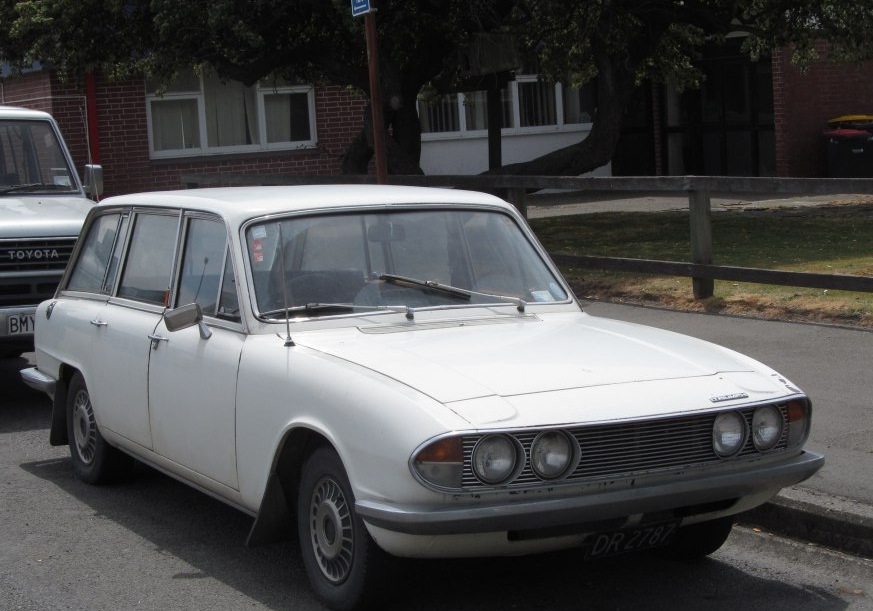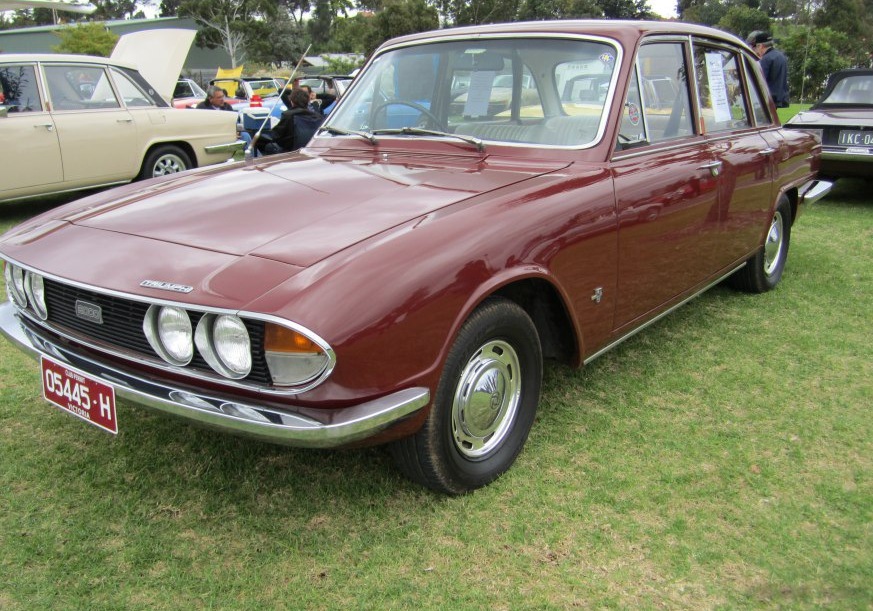
The Triumph 2000 MkII 2.0 TC, produced between 1975 and 1977, represents a refinement of the earlier 2000 MkI, aiming to address some of the criticisms leveled at its predecessor while maintaining the classic British roadster aesthetic in a practical four-door sedan package. This variant, equipped with the 2.0-liter inline-six engine producing 93 horsepower, occupied a middle ground in the 2000 MkII lineup, offering a balance between performance and affordability. It was positioned as a more accessible alternative to the higher-performance PI (Fuel Injection) models, and a step up from the base carbureted versions. The 2000 MkII, and specifically the 2.0 TC, was Triumph’s attempt to compete in the increasingly crowded mid-size sedan market, particularly against European and emerging Japanese rivals.
Technical Specifications
| Brand | Triumph |
| Model | 2000 MkII |
| Generation | 2000 MkII |
| Type (Engine) | 2.0 TC (93 Hp) |
| Start of Production | 1975 |
| End of Production | 1977 |
| Powertrain Architecture | Internal Combustion Engine |
| Body Type | Sedan |
| Fuel Type | Petrol (Gasoline) |
| Power | 93 Hp |
| Engine Aspiration | Naturally Aspirated |
| Engine Displacement | 1998 cc (2.0 Liters) |
| Cylinders | Inline-Six |
| Valves per Cylinder | 2 |
| Fuel System | Zenith-Stromberg Carburetor |
| Transmission | 3-Speed Automatic (Borg Warner) |
| Drive Type | Rear-Wheel Drive |
| Weight (approx.) | 2,840 lbs (1,290 kg) |
| Top Speed (approx.) | 105 mph (169 km/h) |
| 0-60 mph (approx.) | 11.5 seconds |
Powertrain & Engine Architecture
The heart of the 2000 MkII 2.0 TC is Triumph’s renowned 2.0-liter inline-six engine. This engine, a descendant of the earlier six-cylinder units used in Triumph’s sports cars, is characterized by its smooth operation and relatively high-revving nature. The “TC” designation indicates the use of a Zenith-Stromberg 175CD carburetor, a twin-choke downdraft unit. This carburetor, while simpler than the fuel injection systems found on the PI models, provided adequate fuel delivery for the 93 horsepower output. The engine features a cast iron block and an aluminum cylinder head, contributing to its durability. The valvetrain utilizes a single overhead camshaft (SOHC) operating two valves per cylinder. The 3-speed Borg Warner automatic transmission was a common choice for buyers prioritizing comfort and ease of driving over outright performance. This transmission, while reliable, wasn’t known for its particularly quick shifts or wide gear ratio spread.
Driving Characteristics
The 2000 MkII 2.0 TC with the automatic transmission delivers a comfortable, if not particularly exhilarating, driving experience. The automatic gearbox, while smooth, does sap some of the engine’s potential. Acceleration is adequate for everyday driving, but passing maneuvers require careful planning. The gear ratios are spaced to prioritize fuel economy and cruising comfort rather than rapid acceleration. Compared to the manual transmission versions of the 2.0 TC, the automatic is noticeably slower. The PI models, with their fuel injection and higher compression ratios, offered significantly more power and a more responsive driving experience. However, the automatic 2.0 TC provides a more relaxed driving experience, particularly in urban environments. The steering is light and precise, typical of British cars of the era, and the suspension provides a comfortable ride, absorbing bumps and imperfections in the road surface reasonably well.
Equipment & Trim Levels
The 2000 MkII 2.0 TC came reasonably well-equipped for its time. Standard features included reclining front seats, a wood-trimmed dashboard, and a comprehensive instrument panel. Interior upholstery was typically cloth, available in a range of colors. Optional extras included a vinyl roof, a radio, and air conditioning (though air conditioning was relatively rare in these cars). The trim level was generally consistent across the 2.0 TC models, with the primary differences being the transmission choice (manual or automatic) and the addition of optional extras. The automatic transmission models often attracted buyers who were willing to pay extra for comfort features like power steering, which was not standard on all trims.
Chassis & Braking
The 2000 MkII utilizes a traditional body-on-frame construction, providing a robust and durable chassis. The front suspension is independent, utilizing double wishbones and coil springs, while the rear suspension is a live axle with leaf springs. This setup provides a good balance between ride comfort and handling. Braking is accomplished via disc brakes on the front wheels and drum brakes on the rear wheels. While adequate for the car’s weight and performance, the drum brakes on the rear can lack the stopping power of a fully disc-braked system. A stabilizer bar is fitted to the front suspension to reduce body roll during cornering.
Market Reception & Comparison
The Triumph 2000 MkII 2.0 TC received mixed reviews from automotive critics. While the engine was praised for its smoothness and refinement, the automatic transmission was often criticized for its lack of responsiveness. Compared to its rivals, such as the Ford Cortina and Vauxhall Victor, the Triumph offered a more sophisticated driving experience and a more stylish interior. However, it was generally more expensive than these competitors. The PI models were favored by enthusiasts for their superior performance, but the 2.0 TC appealed to a broader audience seeking a comfortable and reliable family sedan. Fuel economy was reasonable for the era, averaging around 20-25 mpg. Reliability was generally good, although the Zenith-Stromberg carburetor could require occasional adjustment.
Legacy
Today, the Triumph 2000 MkII 2.0 TC is a popular classic car, appreciated for its classic British styling and relatively straightforward mechanicals. The automatic transmission models, while not as sought after as the manual or PI versions, offer a more accessible entry point into Triumph ownership. The inline-six engine is known for its durability, but regular maintenance is essential to keep it running smoothly. Parts availability is generally good, with a thriving aftermarket supporting these cars. The 2.0 TC represents a significant chapter in Triumph’s history, showcasing the company’s commitment to building stylish and well-engineered sedans. While Triumph ultimately ceased production in 1981, the 2000 MkII continues to be enjoyed by enthusiasts around the world, a testament to its enduring appeal.