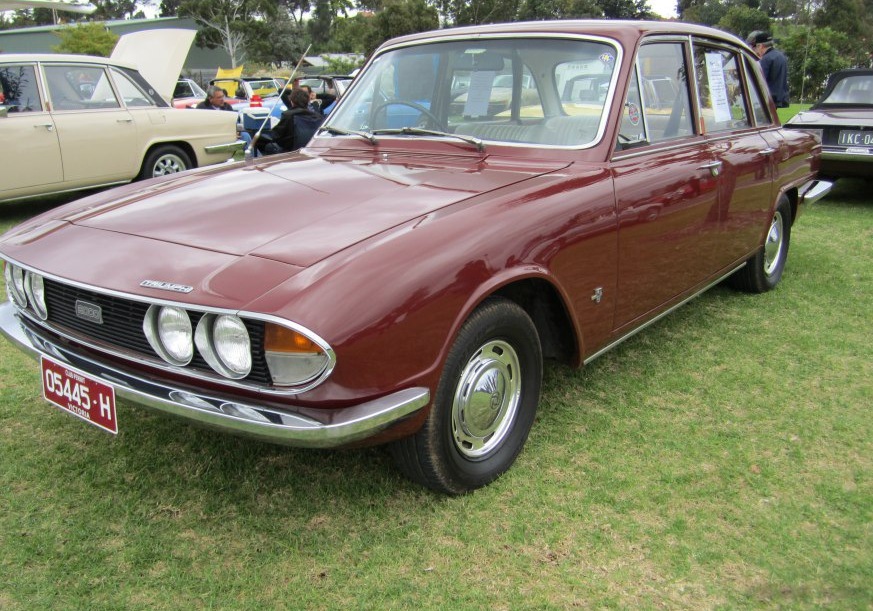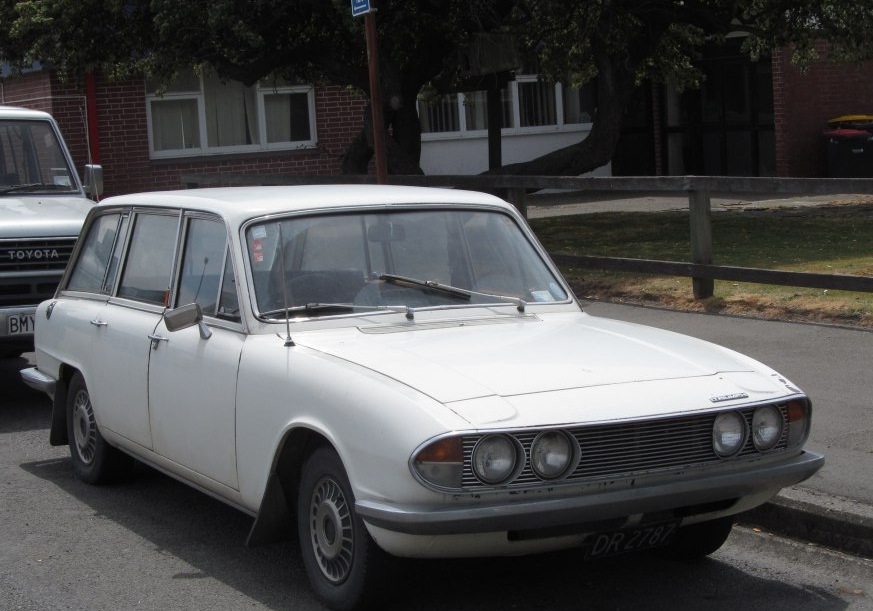
The Triumph 2000 MkII Estate, produced between 1972 and 1975, represents a practical and stylish evolution of the Triumph 2000 saloon. Positioned as the estate (station wagon) variant of the MkII series, it offered increased cargo capacity without sacrificing the comfortable ride and relatively modern features that characterized the 2000 range. This particular version, equipped with the 2.0-liter engine producing 91 horsepower, served as a mid-range offering within the 2000 lineup, appealing to families and those requiring a versatile vehicle. It was a key part of Triumph’s attempt to compete in a growing market segment, offering a British alternative to European estates.
Technical Specifications
| Brand | Triumph |
| Model | 2000 MkII |
| Generation | 2000 MkII Estate |
| Type (Engine) | 2.0 (91 Hp) |
| Start of Production | 1972 |
| End of Production | 1975 |
| Powertrain Architecture | Internal Combustion Engine |
| Body Type | Station Wagon (Estate) |
| Fuel Type | Petrol (Gasoline) |
| Power | 91 Hp |
| Engine Aspiration | Naturally Aspirated |
Powertrain & Engine Architecture
The heart of the Triumph 2000 MkII Estate 2.0 (91 Hp) is its inline-six cylinder engine, displacing 1,998 cc (approximately 2.0 liters). This engine, a hallmark of Triumph’s engineering, featured a cast iron block and an aluminum cylinder head. It utilized a single overhead camshaft (SOHC) design, operating two valves per cylinder. Fuel delivery was managed by a Zenith-Stromberg carburetor, a common setup for British cars of the era. While not the most technologically advanced fuel system, it provided adequate performance and reliability for the intended market. The engine produced 91 horsepower at 5,000 rpm and approximately 128 lb-ft of torque at 3,000 rpm. The engine code is generally identified as the ‘CP’ engine, a continuation of the 2.0-liter unit used in earlier 2000 models. The transmission paired with this engine was typically a Borg-Warner three-speed automatic, chosen for its ease of use and suitability for the estate’s intended role as a comfortable family vehicle. This automatic transmission, while providing convenience, did impact overall performance compared to the available four-speed manual gearbox.
Driving Characteristics
The 2000 MkII Estate with the 91 hp engine and automatic transmission offered a comfortable, if not particularly sporty, driving experience. Acceleration was adequate for the time, with a 0-60 mph time estimated around 14-16 seconds. The automatic transmission, while smooth, had relatively widely spaced gear ratios, which meant the engine could feel strained during quick acceleration or when climbing hills. The torque converter provided a good level of low-end grunt, making it suitable for everyday driving, but it also contributed to some power loss compared to a manual transmission. The estate body added weight compared to the saloon, further impacting performance. Handling was typical of British cars of the period – comfortable and predictable, but not particularly sharp. The suspension, featuring independent front suspension with coil springs and a live axle rear suspension with leaf springs, prioritized ride comfort over outright handling prowess. The steering was power-assisted, making it relatively light and easy to maneuver, especially at low speeds.
Equipment & Trim Levels
The Triumph 2000 MkII Estate 2.0 (91 Hp) was generally well-equipped for its time, though it wasn’t considered a luxury vehicle. Standard features included reclining front seats, a wood-rimmed steering wheel, and a comprehensive instrument panel with gauges for speed, temperature, fuel level, and oil pressure. The interior trim typically consisted of cloth upholstery, available in a range of colors. The estate body offered a significantly larger cargo area than the saloon, making it ideal for families or those needing to transport bulky items. Optional extras included a vinyl roof, a radio, and heated rear window. The trim level for this 91 hp automatic variant generally fell in the mid-range of the 2000 lineup. It offered more comfort and convenience features than the base models but lacked some of the more luxurious appointments found on the higher-specification trims.
Chassis & Braking
The Triumph 2000 MkII Estate utilized a body-on-frame construction, a common practice for British cars of the era. The chassis provided a solid foundation for the vehicle, but also contributed to its relatively heavy weight. The front suspension featured independent double wishbones with coil springs and an anti-roll bar, while the rear suspension employed a live axle with leaf springs. Braking was accomplished via Dunlop disc brakes on the front wheels and drum brakes on the rear wheels. The braking system was hydraulic, providing adequate stopping power for the vehicle’s weight and performance. Steering was rack and pinion, providing precise and responsive control. The tires were typically 185R14 radial tires, offering a good balance of grip and ride comfort.
Market Reception & Comparison
The Triumph 2000 MkII Estate was generally well-received by automotive critics, who praised its practicality, comfortable ride, and stylish design. However, some critics noted its relatively modest performance, particularly with the automatic transmission. Compared to its siblings, the 2000 MkII Estate 2.0 (91 Hp) offered a more practical alternative to the saloon. The higher-powered 2.5-liter versions of the 2000 offered significantly improved performance, but at a higher price point. The 1.8-liter models were more economical but lacked the refinement and power of the 2.0-liter engine. In terms of fuel economy, the 2.0-liter automatic typically achieved around 18-22 mpg, which was reasonable for a car of its size and era. Reliability was generally good, though British cars of the 1970s were often prone to electrical issues and corrosion.
Legacy
The Triumph 2000 MkII Estate, while not a high-volume seller, remains a popular classic car today. The 2.0-liter engine with automatic transmission is considered a reliable and relatively easy-to-maintain powertrain. Parts availability is generally good, though some components can be difficult to find. The estate body style adds to its appeal, offering a unique and practical alternative to the more common saloon. The car’s enduring popularity is a testament to its well-rounded design, comfortable ride, and classic British charm. In the used car market, well-maintained examples of the 2000 MkII Estate 2.0 (91 Hp) command a respectable price, reflecting its status as a desirable classic vehicle. It represents a significant piece of British automotive history, embodying the engineering and design sensibilities of the era.