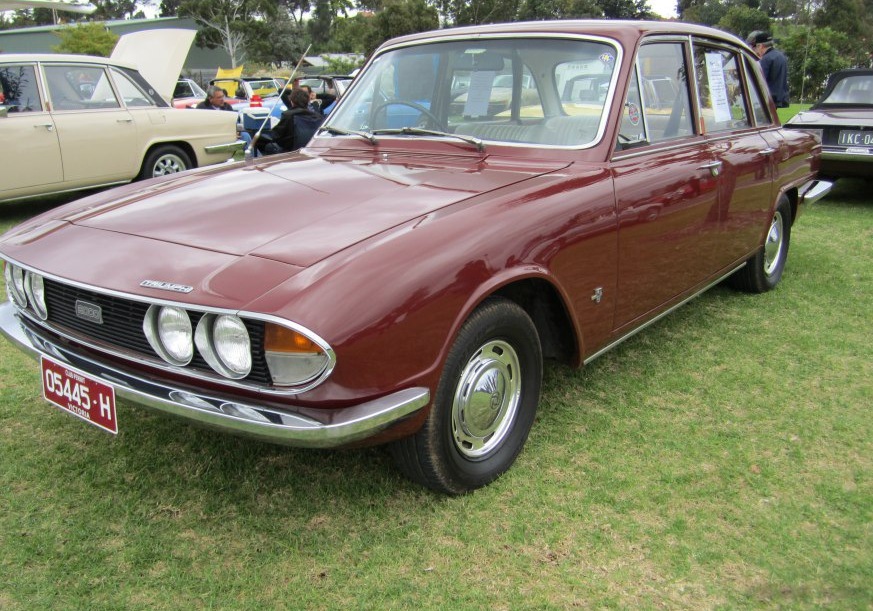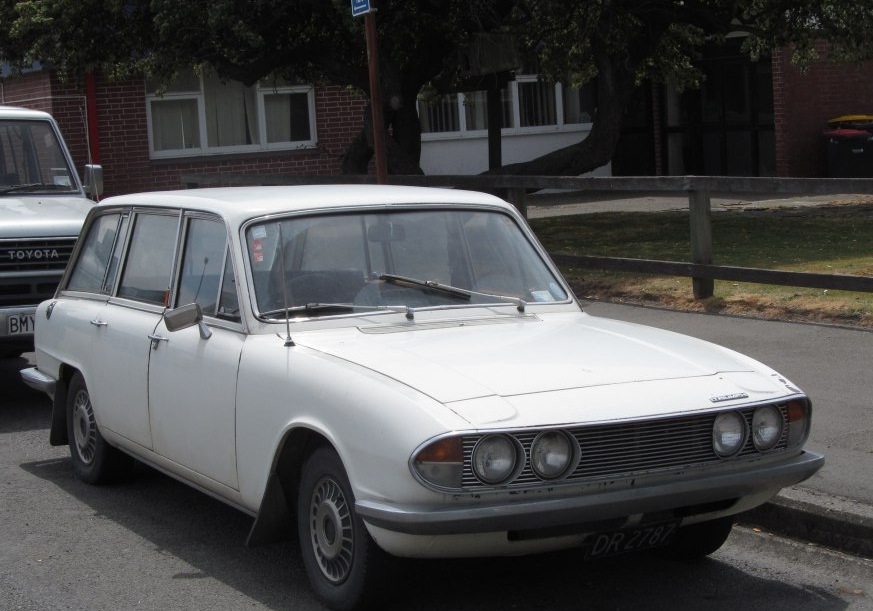
The Triumph 2000 MkII Estate 2.0 TC, produced between 1972 and 1975, represents a refined iteration of Triumph’s popular 2000 saloon, adapted for the growing market demand for practical, yet stylish, estate cars. This variant, powered by the 2.0-liter inline-six engine producing 92 horsepower, occupied a middle ground within the 2000 MkII range, offering a balance between performance and affordability. It was part of the broader MkII update which included styling changes and mechanical improvements over the original 2000, aiming to address criticisms of the earlier model and compete more effectively with rivals like the Volvo 145 and Hillman Estate. The 2000 MkII Estate was a key part of Triumph’s attempt to modernize its image and appeal to a wider customer base.
Technical Specifications
| Brand | Triumph |
| Model | 2000 MkII |
| Generation | 2000 MkII Estate |
| Type (Engine) | 2.0 TC (92 Hp) |
| Start of Production | 1972 |
| End of Production | 1975 |
| Powertrain Architecture | Internal Combustion Engine |
| Body Type | Station Wagon (Estate) |
| Fuel Type | Petrol (Gasoline) |
| Power | 92 Hp |
| Engine Aspiration | Naturally Aspirated |
| Engine Displacement | 1998 cc (2.0 Liters) |
| Transmission | Automatic (Borg Warner Type 35) |
| Curb Weight (approx.) | 3,150 lbs (1,430 kg) |
| Top Speed (approx.) | 95 mph (153 km/h) |
| 0-60 mph (approx.) | 13.5 seconds |
Powertrain & Engine Architecture
The heart of the 2000 MkII Estate 2.0 TC is Triumph’s renowned 2.0-liter inline-six engine. This engine, designated as the ‘TC’ variant, featured a cast iron block and an aluminum cylinder head. It utilized a single Zenith-Stromberg carburetor for fuel delivery, a relatively simple system for the time, but one that provided adequate performance for the intended market. The engine’s valvetrain employed a single overhead camshaft (SOHC) operating two valves per cylinder. This configuration contributed to the engine’s smooth operation and relatively high-revving nature, even if it didn’t produce the outright power of some contemporary V6 or V8 engines. The 92 horsepower output was achieved at 5,250 rpm, with peak torque of approximately 128 lb-ft at 3,500 rpm.
Crucially, this specific estate variant was typically paired with a Borg Warner Type 35 three-speed automatic transmission. This transmission, while offering convenience, was not known for its particularly quick shifts or efficiency. It was a common automatic of the era, providing smooth, if somewhat leisurely, gear changes. The automatic transmission contributed to a slightly lower overall performance compared to the manual transmission equipped models.
Driving Characteristics
The driving experience in the 2000 MkII Estate 2.0 TC with the automatic transmission was characterized by relaxed cruising rather than spirited performance. The automatic gearbox, while convenient, dulled the engine’s responsiveness. Acceleration was adequate for everyday driving, but overtaking required careful planning. The gear ratios were optimized for comfortable highway speeds, but at the expense of quick acceleration from a standstill. Compared to the manual transmission versions, the automatic lost approximately a second or more in the 0-60 mph sprint. The steering was light and precise, typical of Triumph steering systems of the period, and the suspension provided a comfortable ride, absorbing bumps and imperfections in the road surface effectively. However, the added weight of the estate body, combined with the torque converter losses of the automatic transmission, meant that the handling wasn’t as sharp as that of the lighter saloon models.
Equipment & Trim Levels
The 2000 MkII Estate 2.0 TC was generally positioned as a mid-range offering within the Triumph lineup. Standard equipment included reclining front seats, a wood-trimmed dashboard, and a comprehensive instrument panel featuring gauges for speed, temperature, fuel level, and oil pressure. The interior trim typically consisted of cloth upholstery, available in a range of colors. The estate body itself offered a generous cargo capacity, making it a practical choice for families and those requiring ample space for luggage or equipment. Optional extras included a vinyl roof, a radio, and heated rear window. The level of trim was generally consistent across the 2.0 TC Estate models, with variations primarily relating to exterior color and optional equipment choices.
Chassis & Braking
The 2000 MkII Estate utilized a conventional chassis design, with independent front suspension employing coil springs and wishbones, and a live axle rear suspension with leaf springs. The steering was a rack and pinion system, providing precise control. Braking was initially provided by Dunlop disc brakes on the front wheels and drum brakes on the rear. Later models saw the introduction of rear disc brakes as standard, improving stopping performance. The braking system was hydraulically operated, offering adequate stopping power for the vehicle’s weight and performance. Stabilizer bars were fitted to both the front and rear axles, helping to reduce body roll during cornering. The suspension setup was tuned for comfort, prioritizing a smooth ride over outright handling prowess.
Market Reception & Comparison
The Triumph 2000 MkII Estate 2.0 TC received generally positive reviews from automotive journalists of the time. It was praised for its stylish design, comfortable ride, and practical estate body. However, the automatic transmission was often criticized for its lack of responsiveness and its impact on fuel economy. Compared to the manual transmission versions, the automatic offered less engaging driving experience. Against rivals like the Volvo 145, the Triumph offered a more sporting feel, but the Volvo was generally considered more durable and reliable. Fuel economy was typical for the era, averaging around 18-22 mpg. Reliability was generally good, although the Zenith-Stromberg carburetor could sometimes require adjustment to maintain optimal performance.
Legacy
Today, the Triumph 2000 MkII Estate 2.0 TC is a sought-after classic car, appreciated for its distinctive styling and classic British charm. The automatic transmission variant, while not the most desirable among enthusiasts, remains a viable option for those seeking a comfortable and practical classic estate. The 2.0-liter engine, while not overly powerful, is generally considered reliable and relatively easy to maintain. Parts availability can be a challenge, but a dedicated network of Triumph specialists and suppliers exists to support owners. Well-maintained examples command reasonable prices in the classic car market, reflecting the enduring appeal of the Triumph marque and the practicality of the estate body style. The combination of classic British engineering and the convenience of an automatic transmission makes this variant a unique and enjoyable piece of automotive history.