
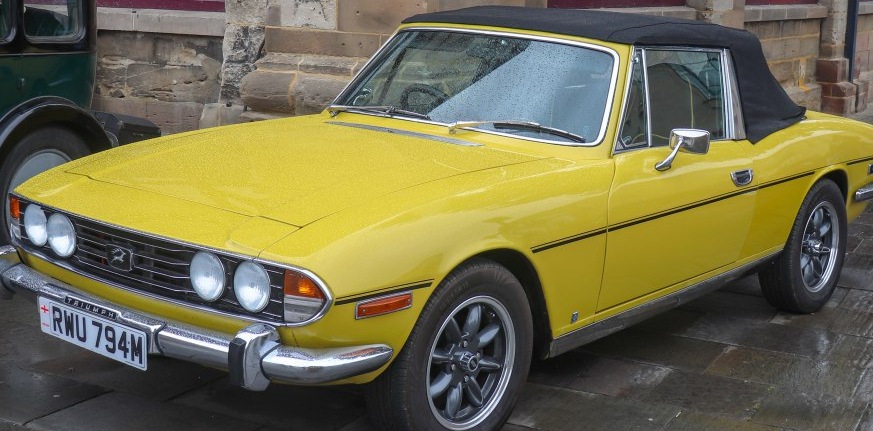
The Triumph Stag 3.0, produced between 1970 and 1977, represents a unique and often troubled chapter in British automotive history. Designed as a stylish grand tourer to compete with the Mercedes-Benz SL-Class, the Stag was notable for its Michelotti-designed Targa top and ambitious engineering. However, it quickly gained a reputation for mechanical unreliability, particularly concerning its engine and cooling system. The 3.0-liter variant, producing 145 horsepower, was the primary engine offered throughout the Stag’s production run, and while intended to provide a refined driving experience, it became the focal point of many of the car’s woes. Despite its issues, the Stag remains a desirable classic car, appreciated for its distinctive design and the ongoing efforts of enthusiasts to overcome its inherent flaws.
Technical Specifications
| Brand | Triumph |
| Model | Stag |
| Generation | Stag |
| Type (Engine) | 3.0 (145 Hp) |
| Start of Production | 1970 |
| End of Production | 1977 |
| Powertrain Architecture | Internal Combustion Engine |
| Body Type | Targa |
| Fuel Type | Petrol (Gasoline) |
| Power | 145 Hp |
| Engine Aspiration | Naturally Aspirated |
Powertrain & Engine Architecture
The heart of the Triumph Stag 3.0 is its 2,997 cc (183 cubic inches) inline-six cylinder engine. This engine, designated as the Triumph 2.5 PI engine but stroked to 3.0 liters, was a significant departure for Triumph, being one of the first British engines to utilize a belt-driven overhead camshaft. The original 2.5-liter version had been designed with fuel injection in mind, and the 3.0-liter retained this capability, though early models used Zenith-Stromberg carburetors. Later models (1973-1977) were equipped with Lucas fuel injection, intended to improve performance and emissions. The engine featured a cast iron block and an aluminum cylinder head. A key issue contributing to the Stag’s reputation for overheating stemmed from the engine’s design and the limited space within the engine bay. The cooling system, relying on a single radiator and a viscous fan coupling, proved inadequate for demanding conditions, particularly in warmer climates or during prolonged high-speed driving.
The Stag was initially offered with a four-speed manual transmission, but the vast majority were equipped with a three-speed automatic transmission sourced from Borg-Warner. This automatic, while providing a comfortable driving experience, was often criticized for its sluggish shifts and tendency to hunt for gears. The automatic transmission also contributed to the engine’s workload, exacerbating the cooling issues. The engine produced 145 horsepower at 5,500 rpm and 190 lb-ft of torque at 3,500 rpm. The engine’s timing chain, while intended to be a long-lasting component, was prone to stretching, leading to timing issues and reduced performance.
Driving Characteristics
The Triumph Stag 3.0, in automatic guise, offered a relaxed and comfortable grand touring experience. Acceleration was adequate, with a 0-60 mph time of around 9.5 seconds, but it wasn’t particularly sporty. The automatic transmission, while smooth in normal driving, lacked the responsiveness of a manual gearbox. The Stag’s suspension, featuring independent coil springs all around, provided a reasonably comfortable ride, but the car’s relatively heavy weight (around 2,700 lbs) and somewhat vague steering made it less engaging to drive than some of its competitors. The Targa top, while visually appealing, did introduce some structural flex into the chassis. The power delivery was relatively smooth, with a broad torque curve, but the engine felt strained when pushed hard, particularly in hot weather. The automatic transmission’s gear ratios were optimized for cruising rather than spirited acceleration.
Equipment & Trim Levels
The Triumph Stag was positioned as a relatively luxurious vehicle, and even the base models were well-equipped for their time. Standard features included leather upholstery, a wood-rimmed steering wheel, and a comprehensive instrument panel. Power steering and a radio were often included. Later models received additional refinements, such as improved interior trim and optional air conditioning. The Stag’s interior was generally well-appointed, with comfortable seats and a stylish dashboard layout. However, the quality of some of the interior materials was criticized, and some components proved prone to wear and tear. Optional extras included overdrive for the manual transmission, a limited-slip differential, and various trim upgrades.
Chassis & Braking
The Triumph Stag utilized a monocoque chassis construction, providing a relatively rigid platform for the Targa body. The suspension consisted of independent coil springs and wishbones at the front and a De Dion axle with coil springs at the rear. Braking was initially provided by Dunlop disc brakes all around, but later models switched to rear drum brakes to reduce costs. The braking system, while adequate for normal driving, lacked the stopping power of some contemporary sports cars. The Stag’s steering was a rack-and-pinion system, but it was criticized for being somewhat vague and lacking in feel. Stabilizer bars were fitted to both the front and rear axles to reduce body roll.
Market Reception & Comparison
The Triumph Stag received mixed reviews upon its launch. While its styling was widely praised, its mechanical unreliability quickly became a major concern. Critics highlighted the engine’s tendency to overheat and the automatic transmission’s sluggish performance. Compared to its rivals, such as the Mercedes-Benz SL-Class and the Porsche 911, the Stag offered a more affordable entry point into the grand touring market, but it lacked the build quality and reliability of its German competitors. Fuel economy was also relatively poor, averaging around 18-22 mpg. The manual transmission versions were generally considered more reliable and engaging to drive, but they represented a small percentage of total production. The automatic version appealed to buyers seeking a comfortable and stylish cruiser, but they were often faced with ongoing maintenance issues.
Legacy
Despite its initial problems, the Triumph Stag has developed a devoted following among classic car enthusiasts. The car’s distinctive styling and relatively affordable price have made it a popular choice for restoration projects. Numerous specialist companies now offer upgraded cooling systems, improved engine components, and other modifications to address the Stag’s inherent weaknesses. The 3.0-liter engine, while still prone to issues, can be made reasonably reliable with proper maintenance and upgrades. The Stag’s legacy is a complex one – a beautiful and ambitious car that was ultimately let down by its engineering. However, the ongoing efforts of enthusiasts ensure that the Triumph Stag will continue to be enjoyed for years to come. In the used car market today, well-maintained Stags command respectable prices, reflecting their rarity and desirability. However, potential buyers should be aware of the car’s potential mechanical issues and be prepared to invest in ongoing maintenance and repairs.
