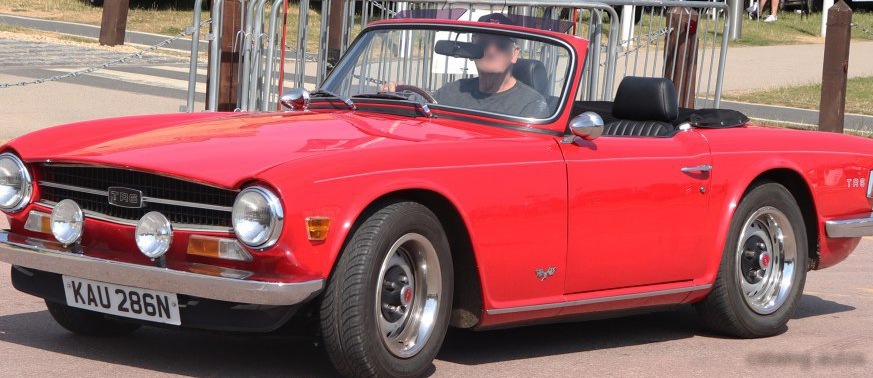
The Triumph TR6, produced between 1972 and 1976, represents the final iteration of the long-running TR series of British sports cars. The 2.5-liter variant, delivering 122 horsepower, was the definitive model, offering a blend of performance and style that cemented the TR6’s place as a classic roadster. It was a key player in Triumph’s attempt to maintain a foothold in the increasingly competitive sports car market, particularly in North America, which accounted for the vast majority of TR6 sales. The TR6 aimed to modernize the TR lineage, addressing criticisms leveled at earlier models regarding styling and mechanical refinement. It was built at Triumph’s factory in Speke, Liverpool, and later at Canley, Coventry.
Technical Specifications
| Brand | Triumph |
| Model | TR6 |
| Generation | TR6 |
| Type (Engine) | 2.5 (122 Hp) |
| Start of Production | 1972 |
| End of Production | 1976 |
| Powertrain Architecture | Internal Combustion Engine |
| Body Type | Cabriolet |
| Fuel Type | Petrol (Gasoline) |
| Power | 122 Hp |
| Engine Aspiration | Naturally Aspirated |
Powertrain & Engine Architecture
The heart of the TR6 is its 2.5-liter inline-six cylinder engine, designated the CP engine. This engine represented a significant upgrade over the 2.0-liter unit found in the TR5, providing increased displacement and improved torque. The engine block is cast iron, with an aluminum cylinder head featuring two valves per cylinder. It utilizes a single Zenith-Stromberg CD175 carburetor, a departure from the fuel injection systems experimented with on earlier TR models. The CP engine produces 122 horsepower at 5,500 rpm and 143 lb-ft of torque at 3,750 rpm. The engine’s robust construction and relatively simple design contribute to its reputation for reliability, although proper maintenance is crucial. The TR6 was exclusively offered with a four-speed manual transmission with optional overdrive, or a three-speed automatic transmission with overdrive. The automatic transmission, while offering convenience, was often criticized for slightly diminishing the car’s sporty character.
Driving Characteristics
The TR6 2.5 delivers a classic British roadster driving experience. The 122 hp engine provides adequate, though not overwhelming, performance. Acceleration from 0 to 60 mph takes around 8.3 seconds, and the car has a top speed of approximately 120 mph. The manual transmission version offers a more engaging driving experience, allowing the driver to fully utilize the engine’s power band. The automatic transmission, while smooth, results in some power loss and a less direct connection to the engine. The TR6’s handling is characterized by its relatively soft suspension, which provides a comfortable ride but can result in noticeable body roll during cornering. The steering is direct and communicative, offering good feedback to the driver. The car’s relatively light weight (around 2,250 lbs) contributes to its nimble feel.
Equipment & Trim Levels
The TR6 was relatively sparsely equipped by modern standards, reflecting its focus on providing a pure driving experience. Standard features included a wood-rimmed steering wheel, leather upholstery (optional cloth was available), and a heater. A vinyl folding soft top was standard, with a detachable hardtop available as an option. Optional extras included overdrive, wire wheels, a radio, and a limited-slip differential. Interior trim levels were fairly consistent throughout the production run, with minor variations in upholstery patterns and dashboard finishes. The dashboard layout is simple and functional, featuring a set of analog gauges providing information on speed, rpm, water temperature, oil pressure, and fuel level. Later models received minor cosmetic updates, such as a revised grille and interior trim.
Chassis & Braking
The TR6 utilizes a traditional body-on-frame construction, with a separate chassis providing structural rigidity. The suspension consists of independent front suspension with coil springs and wishbones, and a live axle rear suspension with leaf springs. The braking system features disc brakes on the front wheels and drum brakes on the rear wheels. The brakes are adequate for normal driving conditions, but can feel somewhat underpowered during hard braking. Steering is rack and pinion, providing precise control. The TR6’s chassis design, while robust, is relatively heavy, contributing to the car’s overall weight. Later models saw improvements to the braking system, including larger diameter discs and improved brake boosters.
Market Reception & Comparison
The TR6 was generally well-received by automotive critics, who praised its styling, engine performance, and overall driving experience. However, it also faced criticism for its build quality, which was sometimes inconsistent, and its relatively primitive features compared to more modern sports cars. Compared to its predecessor, the TR5, the TR6 offered a more refined and user-friendly experience. Compared to other British sports cars of the era, such as the MG B and the Austin-Healey 3000, the TR6 offered a more modern design and a more powerful engine. The TR6’s primary competitor in the North American market was the Chevrolet Corvette, which offered significantly more power and performance but at a higher price point. Fuel economy for the TR6 was around 17-20 mpg, which was typical for a sports car of its era.
Legacy
The Triumph TR6 remains a highly sought-after classic sports car, particularly in North America. Its robust engine and relatively simple mechanical design contribute to its long-term reliability, although regular maintenance is essential to prevent corrosion and ensure proper operation. The TR6’s iconic styling and engaging driving experience have earned it a devoted following among enthusiasts. The car’s value has steadily increased in recent years, reflecting its growing popularity and limited production numbers. Finding well-maintained examples can be challenging, as many TR6s have suffered from neglect or poor restoration work. However, a well-preserved TR6 2.5 offers a rewarding and enjoyable classic car ownership experience, embodying the spirit of British sports car design from the 1970s. Parts availability is generally good, with a thriving aftermarket supporting the TR6 community.