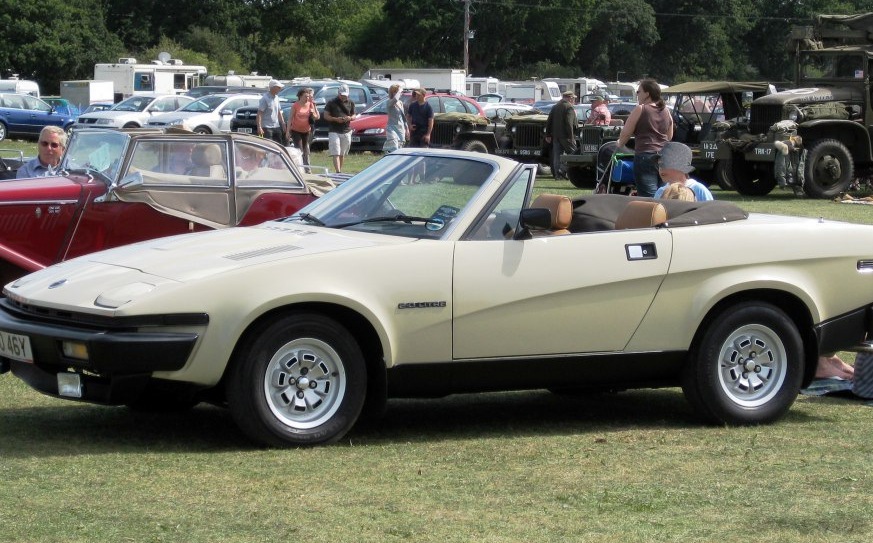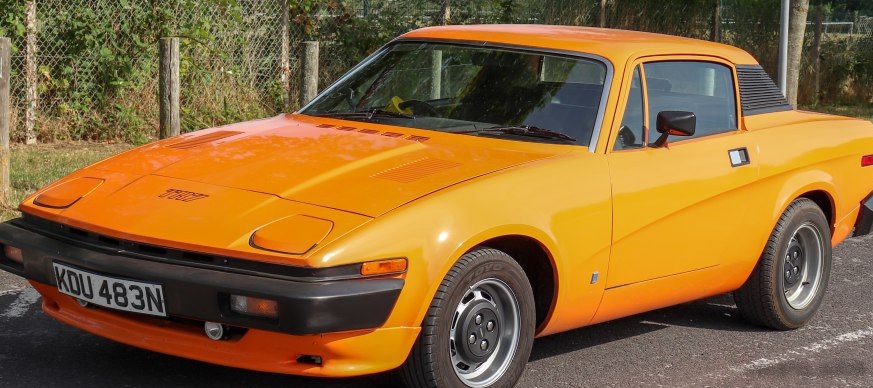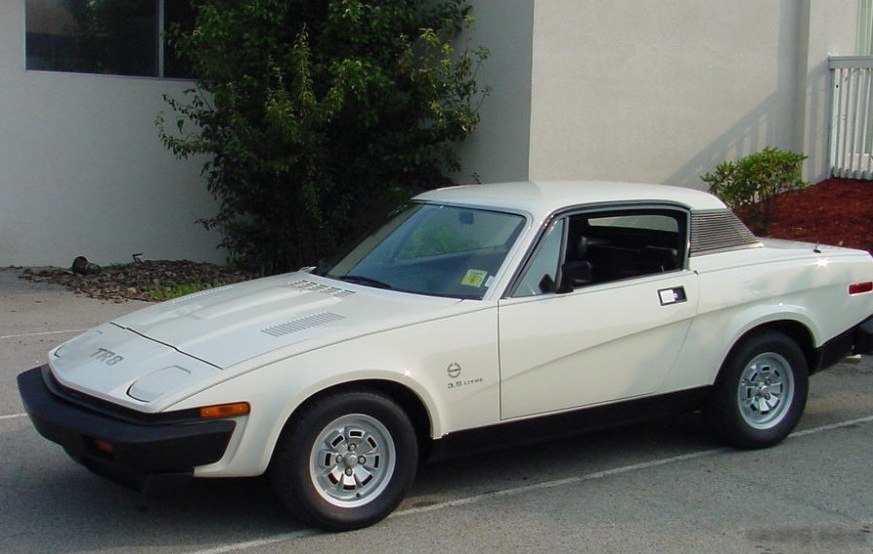
The Triumph TR6 2.5 PI, produced between 1968 and 1976, represents the final iteration of the long-running TR series of British sports cars. Positioned as the successor to the TR5 and TR250, the TR6 aimed to modernize the classic roadster formula while retaining the core appeal of its predecessors. The “PI” designation signifies the use of Lucas fuel injection, a significant upgrade over previous carburetor-equipped models. The TR6 was primarily marketed in the United Kingdom, North America, and Europe, becoming a popular choice for enthusiasts seeking an affordable and engaging open-top driving experience. It was built on a strengthened version of the TR5 chassis, offering improved handling and safety.
Technical Specifications
| Brand | Triumph |
| Model | TR 6 |
| Generation | TR 6 |
| Type (Engine) | 2.5 PI (150 Hp) |
| Start of production | 1968 year |
| End of production | 1976 year |
| Powertrain Architecture | Internal Combustion engine |
| Body type | Cabriolet |
| Seats | 2 |
| Doors | 2 |
| Fuel Type | Petrol (Gasoline) |
| Acceleration 0 – 60 mph | 9 sec |
| Maximum speed | 201 km/h (124.9 mph) |
| Power | 150 Hp @ 5500 rpm |
| Power per litre | 60 Hp/l |
| Torque | 214 Nm @ 3000 rpm (157.84 lb.-ft. @ 3000 rpm) |
| Engine layout | Front, Longitudinal |
| Engine displacement | 2498 cm3 (152.44 cu. in.) |
| Number of cylinders | 6 |
| Engine configuration | Inline |
| Cylinder Bore | 74.7 mm (2.94 in.) |
| Piston Stroke | 95 mm (3.74 in.) |
| Compression ratio | 9.5:1 |
| Number of valves per cylinder | 2 |
| Fuel injection system | Multi-port manifold injection |
| Engine aspiration | Naturally aspirated engine |
| Valvetrain | OHV |
| Engine oil capacity | 4.5 l (4.76 US qt | 3.96 UK qt) |
| Coolant | 6.2 l (6.55 US qt | 5.46 UK qt) |
| Length | 3937 mm (155 in.) |
| Width | 1470 mm (57.87 in.) |
| Height | 1270 mm (50 in.) |
| Wheelbase | 2240 mm (88.19 in.) |
| Front track | 1276 mm (50.24 in.) |
| Rear track | 1264 mm (49.76 in.) |
| Ride height (ground clearance) | 152 mm (5.98 in.) |
| Minimum turning circle | 10.1 m (33.14 ft.) |
| Drivetrain Architecture | The Internal combustion engine (ICE) drives the rear wheels of the vehicle. |
| Drive wheel | Rear wheel drive |
| Number of gears and type of gearbox | 4 gears, manual transmission |
| Front suspension | Coil spring, Transverse stabilizer |
| Rear suspension | Trailing arm |
| Front brakes | Disc |
| Rear brakes | Drum |
Powertrain & Engine Architecture
The heart of the TR6 2.5 PI is its 2.5-liter inline-six cylinder engine. This engine, designated as the CP engine, was a significant departure from the TR5’s powerplant, primarily due to the adoption of Lucas mechanical fuel injection. This system, while improving performance and fuel efficiency compared to carburetors, was also known for requiring careful maintenance and adjustment. The engine features a cast iron block and cylinder head, with a single overhead valve (OHV) configuration. The 9.5:1 compression ratio and carefully tuned camshaft contribute to the engine’s 150 horsepower output at 5500 rpm and 214 Nm (157.84 lb-ft) of torque at 3000 rpm. The four-speed manual transmission was standard, providing a direct connection to the rear wheels. The engine’s longitudinal front-engine layout contributes to the car’s balanced handling characteristics.
Driving Characteristics
The TR6 2.5 PI offered a classic British sports car driving experience. The 150 hp engine, coupled with the four-speed manual transmission, provided brisk acceleration, achieving 0-60 mph in approximately 9 seconds. While not exceptionally quick by modern standards, the TR6 felt lively and engaging on winding roads. The gear ratios were well-suited to spirited driving, allowing the engine to remain within its power band. Compared to the earlier TR5, the fuel injection system provided smoother throttle response and improved drivability. However, the TR6’s relatively simple suspension setup and leaf-sprung rear end meant that the ride could be firm, particularly on uneven surfaces. The steering, while direct, lacked power assistance, requiring some effort at low speeds.
Equipment & Trim Levels
The TR6 2.5 PI was relatively sparsely equipped by modern standards, reflecting its focus on driving enjoyment rather than luxury. Standard features included fully synchronized four-speed manual transmission, disc brakes on the front wheels, and a steel body with a detachable hardtop. Interior appointments were functional, with vinyl upholstery and a wood-rimmed steering wheel. Optional extras included overdrive on the fourth gear, wire wheels, a limited-slip differential, and a more luxurious interior trim package. The dashboard layout was straightforward, with a set of essential gauges providing information on speed, engine temperature, oil pressure, and fuel level.
Chassis & Braking
The TR6 utilized a robust ladder-frame chassis, providing a solid foundation for the body. Front suspension consisted of independent coil springs with a transverse stabilizer bar, while the rear suspension employed a trailing arm setup with leaf springs. This configuration offered a reasonable compromise between ride comfort and handling. The front brakes were disc brakes, providing adequate stopping power, while the rear brakes were drums. The braking system, while effective for the car’s weight and performance, lacked the sophistication of more modern systems. The steering was a direct, non-power-assisted rack and pinion system.
Market Reception & Comparison
The TR6 2.5 PI was generally well-received by automotive critics and enthusiasts. It was praised for its classic styling, engaging driving experience, and relatively affordable price. However, the Lucas fuel injection system was a common source of complaints, due to its complexity and susceptibility to malfunctions. Compared to the earlier TR5, the TR6 offered improved refinement and drivability thanks to the fuel injection. Compared to other sports cars of the era, such as the MG B GT and the Porsche 914, the TR6 offered a compelling combination of performance, style, and value. Fuel economy was reasonable for the time, averaging around 20-25 mpg.
Legacy
The Triumph TR6 remains a popular classic car today, cherished by enthusiasts for its timeless design and engaging driving experience. The 2.5 PI engine, while requiring regular maintenance, is generally considered to be a robust and reliable unit when properly cared for. Parts availability is good, thanks to a dedicated network of Triumph specialists and aftermarket suppliers. The TR6’s simple construction makes it relatively easy to maintain and repair. Values for well-maintained examples have steadily increased in recent years, reflecting the growing demand for classic British sports cars. The TR6 represents a high point in Triumph’s history, and continues to provide driving pleasure to enthusiasts around the world.