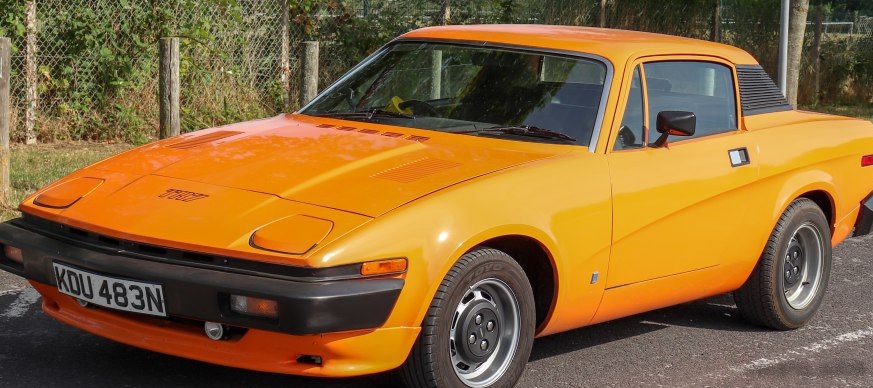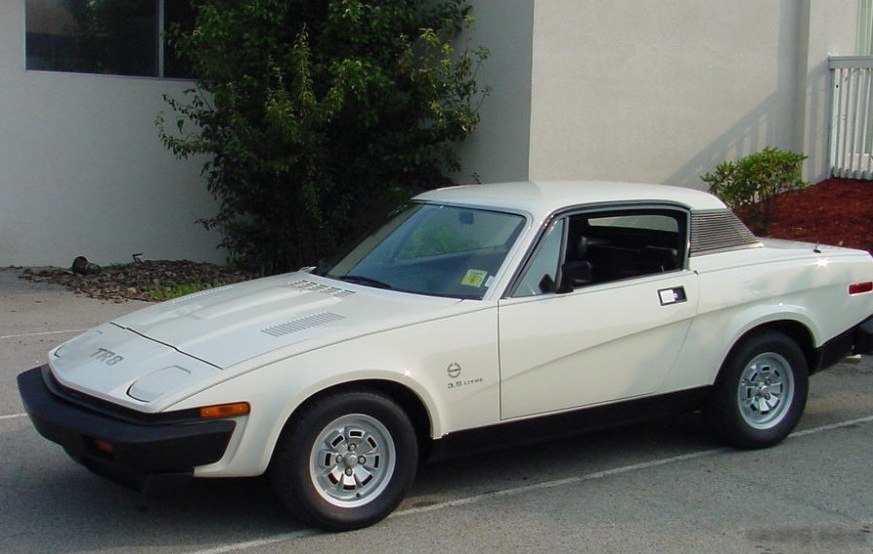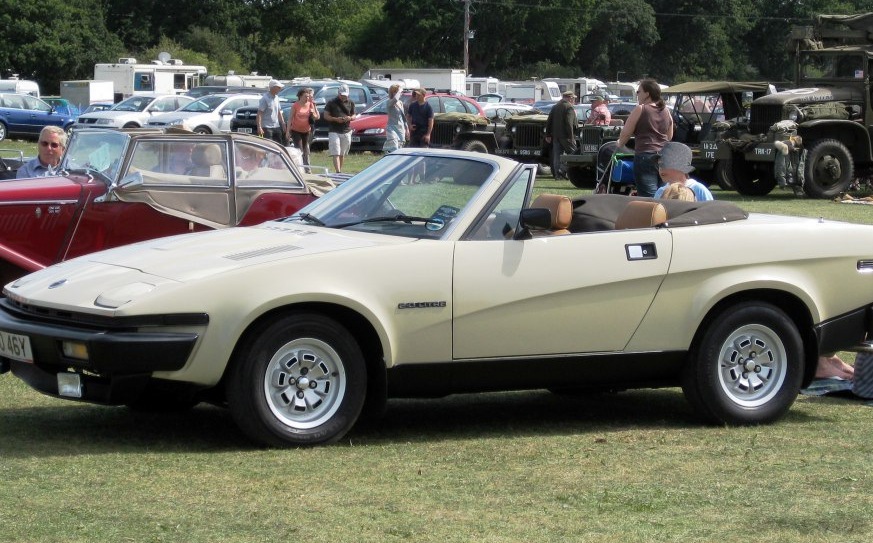
The Triumph TR7 Cabriolet 2.0 (106 hp) represents a pivotal, though often debated, chapter in the history of British sports cars. Produced between 1977 and 1981, this open-top variant of the TR7 aimed to capture a segment of the increasingly popular affordable sports car market, particularly in the United States. While the TR7 as a whole faced criticism for its wedge-shaped styling and initial build quality issues, the Cabriolet offered a more appealing aesthetic to many buyers, and ultimately became the more successful of the two body styles. This article details the specifications, market positioning, mechanical characteristics, and historical context of the 2.0-liter, 106 horsepower TR7 Cabriolet.
Technical Specifications
| Brand | Triumph |
| Model | TR7 |
| Generation | TR7 Cabriolet |
| Type (Engine) | 2.0 (106 hp) |
| Start of Production | 1977 |
| End of Production | 1981 |
| Powertrain Architecture | Internal Combustion Engine |
| Body Type | Cabriolet |
| Fuel Type | Petrol (Gasoline) |
| Engine Power | 106 hp |
| Engine Aspiration | Naturally Aspirated |
| Engine Displacement | 1998 cc (2.0 Liters) |
| Engine Configuration | Inline-4 |
| Transmission | 5-speed manual, 4-speed automatic (optional) |
| Drivetrain | Rear-Wheel Drive |
| Curb Weight | Approximately 2,280 lbs (1,034 kg) |
| Top Speed | Approximately 108 mph (174 km/h) |
| 0-60 mph | Approximately 9.5 seconds (manual transmission) |
Origins and Market Positioning
The Triumph TR7 was conceived in the early 1970s as a replacement for the aging TR6. British Leyland, Triumph’s parent company, sought a modern, affordable sports car that could appeal to a broader audience, particularly in the lucrative North American market. The TR7’s wedge-shaped design, penned by Harris Mann, was a radical departure from the classic lines of its predecessors. This styling choice proved controversial, but it was intended to signal a new direction for the brand. The Cabriolet version, introduced shortly after the fixed-roof coupe, was intended to capitalize on the popularity of open-top motoring, a segment that was experiencing significant growth in the US and other markets.
The 2.0-liter, 106 hp engine represented the standard powerplant for the TR7 in most markets, including the US. It positioned the TR7 Cabriolet as an entry-level sports car, competing with vehicles like the MG Midget, Fiat Spider, and early Mazda Roadsters. While not a high-performance machine, the TR7 Cabriolet offered a relatively affordable and stylish way to experience open-air driving. The optional 4-speed automatic transmission further broadened its appeal to drivers prioritizing comfort over outright performance. This made it accessible to a wider demographic than the more focused sports cars of the era.
Mechanical Details and Performance
The TR7 Cabriolet’s engine, a 1998cc inline-four, featured a single overhead camshaft and a Stromberg CD175 carburetor. While the 106 hp output wasn’t particularly impressive by contemporary standards, the engine delivered a reasonable amount of torque, making the car relatively drivable in everyday conditions. The five-speed manual transmission, sourced from Audi, was a notable feature, providing a more engaging driving experience than the optional automatic. This transmission was considered a strong point of the TR7, offering smooth shifts and a good overall feel.
The chassis of the TR7 was a monocoque construction, a relatively modern design for the time, offering improved rigidity and safety compared to the traditional ladder-frame chassis used in older British sports cars. However, early production models were plagued by build quality issues, including poor panel alignment and rust problems. Triumph addressed many of these concerns over the production run, but the TR7 never fully shook off its reputation for somewhat questionable reliability. The suspension, featuring independent front suspension and a live rear axle, provided a comfortable ride, though handling wasn’t as sharp as some of its competitors. Braking was provided by disc brakes on all four wheels, offering adequate stopping power for the vehicle’s weight and performance.
Comparison with TR7 Variants
The TR7 range offered a limited number of variations. The primary difference was the body style – coupe versus Cabriolet. The Cabriolet consistently outsold the coupe, likely due to its more appealing aesthetics and the desirability of open-top motoring. Later in the production run, a TR8 model was introduced, featuring a 3.5-liter V8 engine. The TR8 offered significantly more power (around 160 hp) and a more exhilarating driving experience, but it also came at a higher price point and targeted a different buyer.
Compared to the TR8, the 2.0-liter TR7 Cabriolet was considerably less powerful and focused on affordability and fuel economy. The TR8 targeted enthusiasts seeking a more traditional British sports car experience, while the TR7 aimed for a wider audience. The TR7 also differed from other British sports cars of the era, such as the MG B, in its more modern styling and monocoque construction. The MG B, while offering a more classic aesthetic, was mechanically simpler and generally considered more reliable, though it lacked the TR7’s more modern features. The TR7 represented a move towards a more contemporary design and engineering approach.
Later Years and Legacy
Production of the TR7 continued until 1981, with the final cars being sold as 1981 models. British Leyland’s financial difficulties and ongoing quality control issues contributed to the TR7’s demise. The TR7 was replaced by the TR8, but the TR8 also had a short production run, ultimately failing to revitalize the Triumph brand. The TR7, along with the TR8, marked the end of Triumph’s production of sports cars.
Today, the Triumph TR7 Cabriolet is a popular choice among classic car enthusiasts. While it may not possess the prestige of some of its rivals, it offers an affordable and enjoyable entry into the world of classic British sports cars. Parts availability is generally good, and the relatively simple mechanicals make it a reasonably straightforward car to maintain. The TR7 Cabriolet represents a unique and often overlooked chapter in the history of Triumph, and a testament to the enduring appeal of open-top motoring. It remains a relatively accessible classic, offering a taste of British sports car ownership without the high price tag of more collectible models.
Common Issues and Maintenance
Potential buyers of a TR7 Cabriolet should be aware of several common issues. Rust, particularly in the sills, floor pans, and around the windscreen, is a major concern. Early models are more prone to build quality issues, such as poor panel alignment and electrical problems. The Stromberg carburetor can be finicky and may require periodic rebuilding. Overheating can also be an issue, particularly in hot climates, so it’s important to ensure the cooling system is in good working order. Regular maintenance, including oil changes, tune-ups, and brake inspections, is essential to keep a TR7 Cabriolet running reliably. Checking for and addressing any signs of corrosion is paramount, as rust repair can be extensive and costly. Preventative maintenance, such as flushing the cooling system regularly, can help avoid overheating issues.