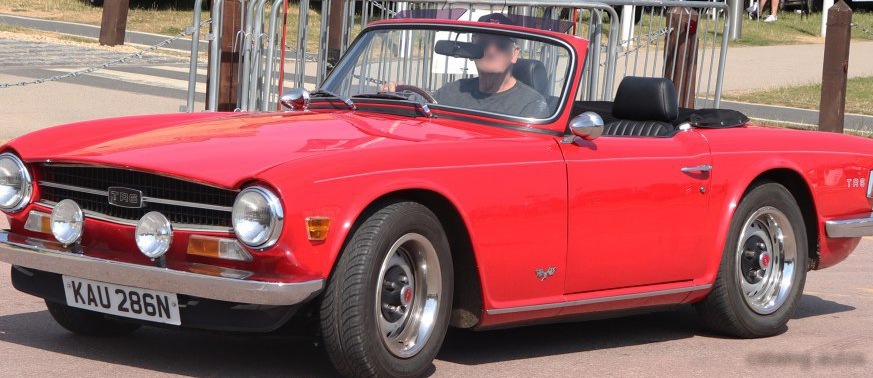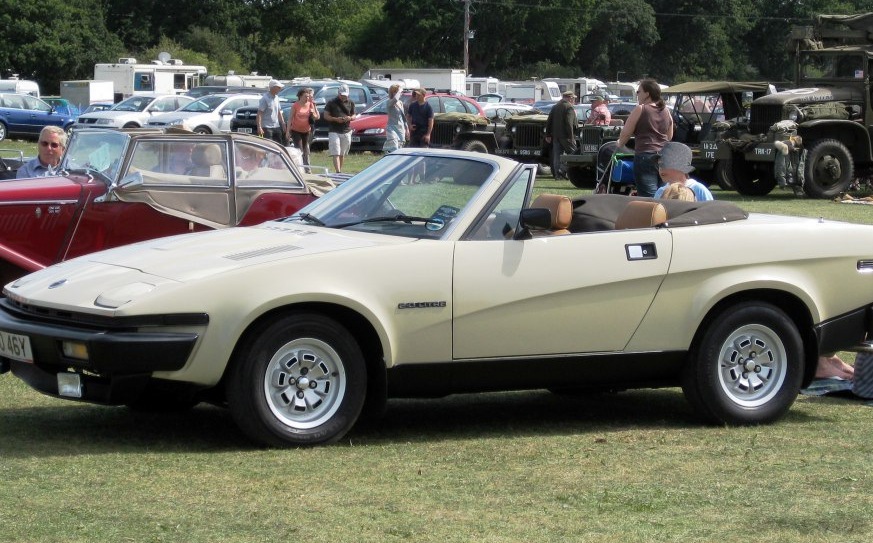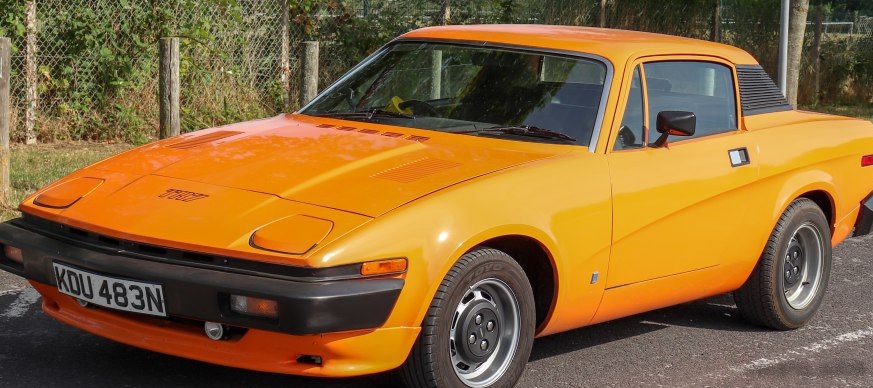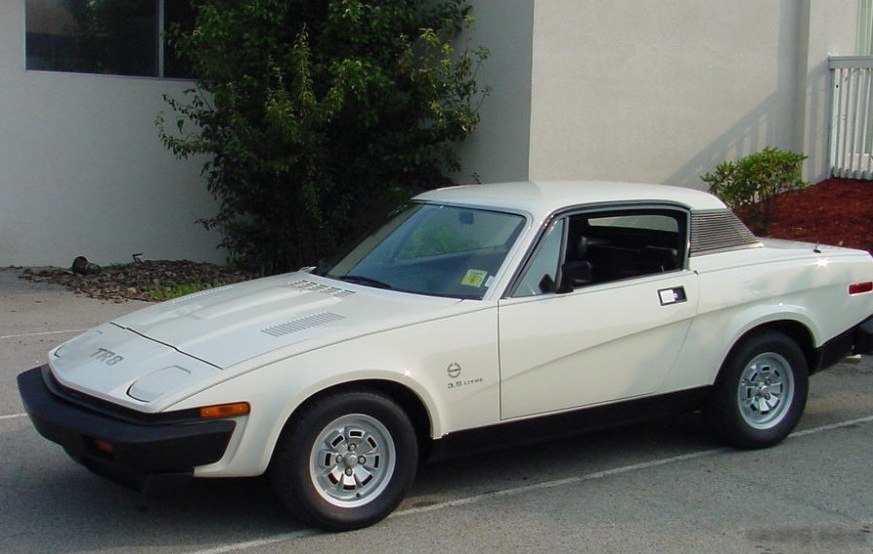
The Triumph TR8 3.5, produced between 1978 and 1981, represented a significant departure for the iconic British sports car lineage. It was the final iteration of the TR series, attempting to modernize the classic roadster formula while retaining the spirit of its predecessors. The TR8 was intended to replace the TR6, offering a more powerful and contemporary driving experience. However, it faced production challenges and a relatively short lifespan, ultimately becoming a somewhat rare and collectible classic. The 3.5-liter V8 engine was a key feature, marking a shift from the six-cylinder engines that had characterized earlier TR models. This variant, with its 133 horsepower output, aimed to provide a balance between performance and usability for the North American and European markets.
Technical Specifications
| Brand | Triumph |
| Model | TR 8 |
| Generation | TR 8 |
| Type (Engine) | 3.5 (133 Hp) |
| Start of production | 1978 |
| End of production | 1981 |
| Powertrain Architecture | Internal Combustion engine |
| Body type | Coupe |
| Seats | 2 |
| Doors | 2 |
| Fuel Type | Petrol (Gasoline) |
| Weight-to-power ratio | 9.1 kg/Hp, 109.6 Hp/tonne |
| Weight-to-torque ratio | 5.3 kg/Nm, 187.8 Nm/tonne |
| Power | 133 Hp @ 5000 rpm |
| Power per litre | 37.8 Hp/l |
| Torque | 228 Nm @ 3000 rpm (168.16 lb.-ft. @ 3000 rpm) |
| Engine layout | Front, Longitudinal |
| Engine displacement | 3523 cm3 (214.99 cu. in.) |
| Number of cylinders | 8 |
| Engine configuration | V-engine |
| Cylinder Bore | 88.9 mm (3.5 in.) |
| Piston Stroke | 71.12 mm (2.8 in.) |
| Number of valves per cylinder | 2 |
| Fuel injection system | Carburettor |
| Engine aspiration | Naturally aspirated engine |
| Valvetrain | OHV |
| Engine oil capacity | 5.1 l (5.39 US qt | 4.49 UK qt) |
| Coolant | 10.9 l (11.52 US qt | 9.59 UK qt) |
| Kerb Weight | 1214 kg (2676.41 lbs.) |
| Trunk (boot) space – minimum | 275 l (9.71 cu. ft.) |
| Fuel tank capacity | 55 l (14.53 US gal | 12.1 UK gal) |
| Length | 4201 mm (165.39 in.) |
| Width | 1681 mm (66.18 in.) |
| Height | 1257 mm (49.49 in.) |
| Wheelbase | 2159 mm (85 in.) |
| Front track | 1410 mm (55.51 in.) |
| Rear (Back) track | 1405 mm (55.31 in.) |
| Ride height (ground clearance) | 91 mm (3.58 in.) |
| Minimum turning circle (turning diameter) | 9.6 m (31.5 ft.) |
| Drivetrain Architecture | The Internal combustion engine (ICE) drives the rear wheels of the vehicle. |
| Drive wheel | Rear wheel drive |
| Number of gears and type of gearbox | 5 gears, manual transmission |
| Front suspension | Independent type McPherson, Transverse stabilizer |
| Rear suspension | Independent multi-link suspension |
| Front brakes | Disc, 9.61 mm |
| Rear brakes | Drum, 9 mm |
| Steering type | Steering rack and pinion |
| Power steering | Hydraulic Steering |
| Tires size | Front wheel tires: 185/70 R13Rear wheel tires: 185/70 R13 |
| Wheel rims size | Front wheel rims: 5.5J x 13Rear wheel rims: 5.5J x 13 |
Powertrain & Engine Architecture
The heart of the TR8 was its 3.5-liter (3523 cc) Rover-sourced V8 engine. This engine, designated as the 18V8, was originally designed for the Rover SD1. Unlike the TR6’s inline-six, the V8 provided a smoother power delivery and a more substantial torque curve. The engine utilized a single Zenith-Stromberg CD175 carburetor for fuel delivery, a relatively simple system for the time. The overhead valve (OHV) configuration, while traditional, contributed to the engine’s robust nature and relative ease of maintenance. The 5-speed manual transmission was standard, providing a direct connection to the rear wheels. The engine’s longitudinal front-engine layout was a carryover from previous TR models, but the V8’s increased size and weight necessitated modifications to the chassis and suspension.
Driving Characteristics
The TR8 3.5 offered a noticeable performance improvement over the TR6. The 133 horsepower and 228 Nm (168 lb-ft) of torque provided brisk acceleration, especially considering the car’s relatively light weight of around 1214 kg (2676 lbs). The 5-speed manual transmission allowed for effective use of the engine’s power band. While not a high-revving engine, the V8 delivered strong torque throughout the rev range, making it a pleasant car to drive on both winding roads and open highways. The rear-wheel drive configuration provided a classic sports car feel, although it also required careful throttle control in slippery conditions. Compared to potential future fuel-injected versions, the carbureted engine could sometimes exhibit slight hesitation or flat spots during acceleration.
Equipment & Trim Levels
The TR8 was generally well-equipped for its time, although it wasn’t a luxury car. Standard features included leather upholstery, a wood-rimmed steering wheel, and a comprehensive instrument panel. Power steering was also standard, making the car easier to maneuver at low speeds. Optional extras included a hardtop, air conditioning, and upgraded audio systems. The interior design was relatively simple and functional, reflecting the car’s sporting intentions. Trim levels were fairly limited, with most variations stemming from optional equipment choices rather than distinct model designations.
Chassis & Braking
The TR8 utilized a modified version of the TR6’s chassis, strengthened to accommodate the heavier V8 engine. The front suspension featured independent McPherson struts with a transverse stabilizer bar, while the rear suspension employed an independent multi-link setup. This suspension configuration provided a good balance between ride comfort and handling. The braking system consisted of disc brakes at the front and drum brakes at the rear. While adequate for normal driving, the braking performance wasn’t particularly outstanding by modern standards. The relatively narrow 185/70 R13 tires also limited grip, especially in wet conditions.
Market Reception & Comparison
The TR8 received mixed reviews upon its release. Critics praised the engine’s performance and smoothness, but some were critical of the car’s styling, which was seen as a somewhat conservative evolution of the TR6. The TR8 was positioned as a more upscale alternative to other British sports cars of the era, such as the MG B and the Jaguar XJS. Compared to the TR6, the TR8 offered significantly more power and torque, but it also weighed more and was generally more expensive. Fuel economy was also a concern, as the V8 engine was not particularly fuel-efficient. Reliability was also a mixed bag, with some owners reporting issues with the carburetor and electrical system.
Legacy
The Triumph TR8, despite its short production run, has become a sought-after classic car. The 3.5-liter V8 engine is generally considered to be a robust and reliable unit, although regular maintenance is essential. The TR8’s relatively simple construction makes it a relatively easy car to maintain and repair. Today, the TR8 is appreciated for its classic British sports car charm, its powerful V8 engine, and its relative rarity. Values have been steadily increasing in recent years, making it a worthwhile investment for collectors and enthusiasts. The TR8 represents a final chapter in the Triumph story, a bold attempt to modernize a beloved sports car formula.