
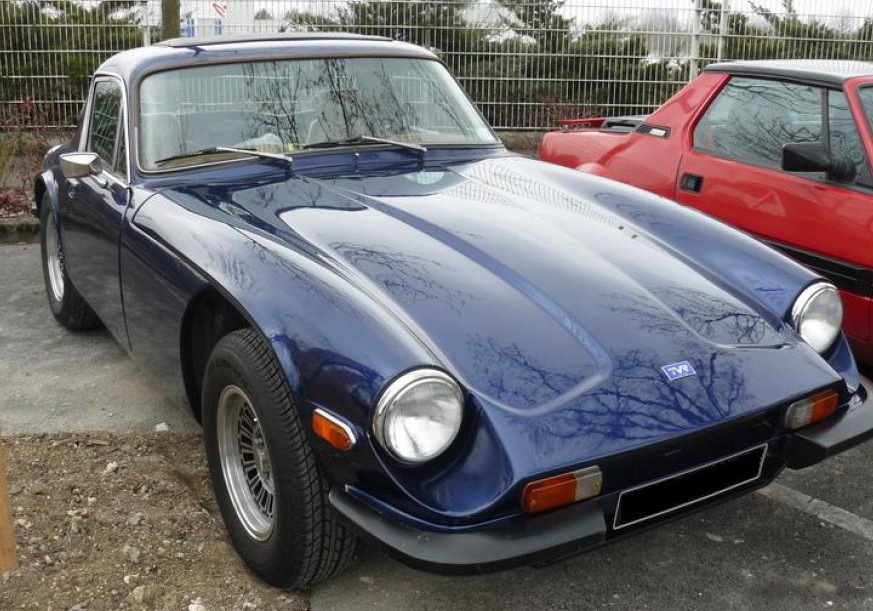
The TVR 1600, produced between 1972 and 1975, represents an important entry point into the TVR lineup during a period of significant development for the British sports car manufacturer. Positioned as the most accessible model in the range, the 1600 aimed to deliver the classic TVR experience – lightweight construction, engaging handling, and distinctive styling – to a broader audience. It served as a stepping stone for enthusiasts before moving up to the more powerful V6-equipped models. The 1600 was based on the TVR Series 2 chassis, a backbone structure that underpinned many TVR models of the era, and was notable for its fiberglass bodywork, a hallmark of the brand. This variant, specifically the 1.6-liter 86 horsepower version, offered a balance between affordability and performance, though it often found itself overshadowed by its more potent siblings.
Technical Specifications
| Brand | TVR |
| Model | 1600 |
| Generation | 1600 |
| Type (Engine) | 1.6 (86 Hp) |
| Start of Production | 1972 |
| End of Production | 1975 |
| Powertrain Architecture | Internal Combustion Engine |
| Body Type | Coupe |
| Fuel Type | Petrol (Gasoline) |
| Power | 86 Hp |
| Engine Aspiration | Naturally Aspirated |
Powertrain & Engine Architecture
The TVR 1600 was powered by a Ford Essex 1.6-liter inline-four cylinder engine. This engine, designated as the Ford Essex 1600, was a common choice for British sports cars of the time due to its relative simplicity, availability, and affordability. While not a particularly sophisticated unit by modern standards, the Essex engine was known for its robustness and ease of maintenance. The 86 horsepower output was achieved through a single Zenith-Stromberg carburetor, a relatively basic fuel delivery system. The engine featured a single overhead camshaft (SOHC) valvetrain, operating two valves per cylinder.
The transmission paired with the 1.6-liter engine was typically a four-speed manual gearbox, sourced from Ford. An automatic transmission was offered as an option, though it was less common and generally considered to detract from the sporty driving experience. The automatic, also a Ford unit, was a three-speed Torque-Flight unit. The rear-wheel-drive layout was standard, contributing to the car’s lively handling characteristics. The engine’s relatively low torque output meant that the gearbox needed to be used frequently to maintain momentum, especially when overtaking or climbing hills.
Driving Characteristics
The TVR 1600, with its 86 horsepower and lightweight fiberglass body, offered a surprisingly engaging driving experience. However, it was noticeably slower than the larger-engined TVRs of the period. Acceleration was adequate, but not exhilarating, with a 0-60 mph time estimated to be around 11-12 seconds. The car’s strength lay in its handling. The lightweight chassis and well-tuned suspension – typically consisting of independent front suspension with double wishbones and a live axle rear suspension – provided responsive steering and a nimble feel. The optional automatic transmission, while offering convenience, significantly dulled the driving experience, resulting in slower acceleration and a less connected feel. The gear ratios in the manual transmission were relatively closely spaced, encouraging the driver to keep the engine revving to extract the most performance. The car felt most at home on winding country roads, where its agility and responsive steering could be fully appreciated.
Equipment & Trim Levels
The TVR 1600 was relatively spartan in terms of equipment, reflecting its position as the entry-level model. Standard features typically included basic instrumentation – speedometer, fuel gauge, and temperature gauge – along with cloth upholstery and vinyl trim. The interior was functional rather than luxurious, with a focus on providing a driver-focused environment. Optional extras included a wood-rimmed steering wheel, upgraded seats, and a more comprehensive instrument panel. Exterior options were limited, with a range of paint colors available. The dashboard layout was simple and straightforward, with minimal distractions. The car lacked many of the modern conveniences found in contemporary vehicles, such as power windows or air conditioning.
Chassis & Braking
The TVR 1600 utilized a robust backbone chassis, a design pioneered by TVR and known for its strength and rigidity. This chassis provided a solid foundation for the fiberglass bodywork. The suspension system, as mentioned previously, consisted of independent front suspension with double wishbones and a live axle rear suspension. Braking was typically accomplished with disc brakes on the front wheels and drum brakes on the rear. The braking system was adequate for the car’s performance, but lacked the stopping power of more modern systems. Stabilizer bars were often fitted to improve handling and reduce body roll, particularly on models intended for more spirited driving. The relatively light weight of the car helped to offset the limitations of the braking system.
Market Reception & Comparison
The TVR 1600 received mixed reviews from automotive critics. While praised for its handling and styling, it was often criticized for its lack of outright performance compared to its more powerful siblings, such as the TVR 3000M with its V6 engine. The 1600 was seen as a good entry point into the TVR brand, but many enthusiasts preferred to spend the extra money on a model with more horsepower. Fuel economy was reasonable for the time, but not exceptional. Reliability was generally good, thanks to the robust Ford engine and relatively simple mechanicals, but the fiberglass bodywork could be prone to cracking or damage if not properly maintained. Compared to other British sports cars of the era, such as the MG B GT or Triumph TR6, the TVR 1600 offered a more raw and visceral driving experience, but lacked the refinement and practicality of its competitors.
Legacy
The TVR 1600, while not the most iconic model in the TVR lineup, holds a significant place in the brand’s history. It demonstrated TVR’s commitment to providing accessible sports cars and helped to establish the brand’s reputation for lightweight construction and engaging handling. Today, the TVR 1600 is a sought-after classic car, particularly among TVR enthusiasts. The Ford Essex engine is relatively easy to maintain and parts are readily available, making it a practical choice for classic car ownership. However, the fiberglass bodywork requires careful attention to prevent damage. Well-maintained examples of the TVR 1600 can fetch respectable prices on the used car market, reflecting the car’s rarity and its enduring appeal as a classic British sports car. The 1.6-liter engine, while not powerful, is considered reliable and relatively straightforward to work on, making it a popular choice for restoration projects.
