
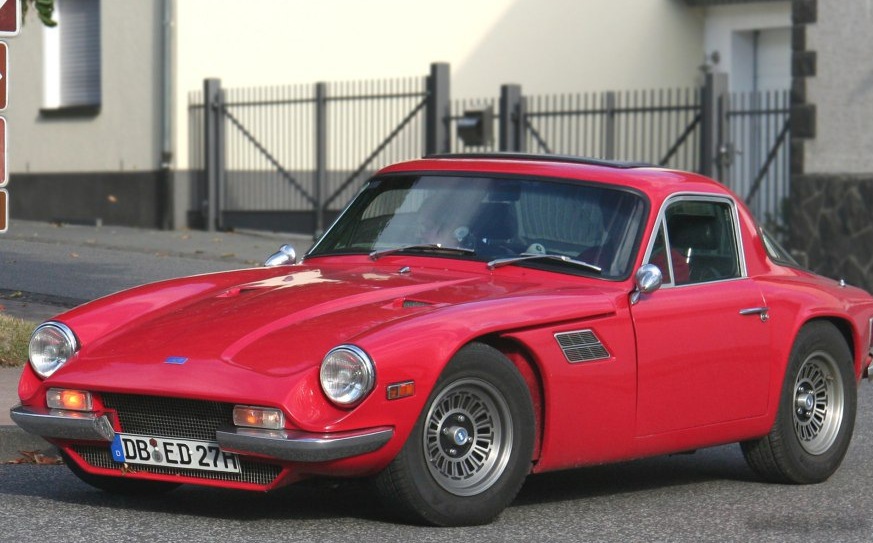
The TVR 3000, specifically the 3.0-liter variant producing 142 horsepower, represents a pivotal point in the British sports car manufacturer’s history. Produced between 1972 and 1980, this model built upon the success of earlier TVR designs, offering a compelling blend of performance and affordability within the burgeoning sports car market. It was a key component of TVR’s strategy to establish itself as a serious contender against established marques like MG and Triumph, offering a more raw and visceral driving experience. The 3000 series, encompassing various engine sizes, was TVR’s mainstay during this period, and the 3.0-liter version occupied a sweet spot in the lineup, balancing performance with relative usability.
Technical Specifications
| Brand | TVR |
| Model | 3000 |
| Generation | 3000 |
| Type (Engine) | 3.0 (142 Hp) |
| Start of Production | 1972 |
| End of Production | 1980 |
| Powertrain Architecture | Internal Combustion Engine |
| Body Type | Coupe |
| Fuel Type | Petrol (Gasoline) |
| Power | 142 Hp |
| Engine Aspiration | Naturally Aspirated |
Powertrain & Engine Architecture
The heart of the TVR 3000 3.0 was the Ford Essex V6 engine, displacing 2,994 cc (182.7 cubic inches). While technically a Ford engine, TVR extensively modified it to suit their performance needs. The 142 horsepower output was achieved through a combination of a relatively high 9.5:1 compression ratio, a Weber 32/36 DGV carburetor, and a tuned exhaust system. The engine featured a cast iron block and aluminum cylinder heads. The V6 configuration provided a smooth power delivery, although it lacked the outright punch of some contemporary inline-six engines. The engine was mated to a four-speed manual transmission, sourced from Ford, as standard. A three-speed automatic transmission was offered as an option, though it was less common and generally considered to detract from the sporty driving experience. The engine’s simplicity and robust construction contributed to its reliability, although maintenance was crucial to prevent issues like oil leaks and carburetor adjustments.
Driving Characteristics
The TVR 3000 3.0 offered a distinctly raw and engaging driving experience. The lightweight fiberglass body, a hallmark of TVR construction, contributed to a curb weight of around 2,200 pounds. This low weight, combined with the 142 horsepower engine, resulted in brisk acceleration – approximately 0 to 60 mph in around 7.5 seconds. Handling was responsive, thanks to a relatively simple suspension setup consisting of independent front suspension with double wishbones and a live axle with trailing arms at the rear. The steering was unassisted, providing direct feedback but requiring considerable effort at low speeds. The four-speed manual transmission offered precise shifts, while the optional automatic, while convenient, felt somewhat sluggish and diminished the car’s overall sporting character. The lack of modern driver aids meant that the TVR 3000 demanded respect and skill from the driver, particularly in wet conditions.
Equipment & Trim Levels
The TVR 3000 3.0 was relatively spartan in terms of standard equipment, reflecting its focus on driving performance. Standard features typically included leather seats, a wood-rimmed steering wheel, and basic instrumentation consisting of a speedometer, tachometer, and fuel gauge. Interior trim was generally simple, with a focus on functionality rather than luxury. Options included a radio, heated rear window, and upgraded upholstery. The dashboard layout was straightforward, with all controls within easy reach of the driver. The car’s interior was known for its snug fit, reflecting the relatively compact dimensions of the vehicle. Trim levels were not formally designated as such; rather, buyers could specify a range of options to personalize their car.
Chassis & Braking
The TVR 3000 3.0 utilized a tubular steel chassis, providing a strong and lightweight foundation for the body. The fiberglass body panels were bonded directly to the chassis, contributing to the car’s structural rigidity. The suspension, as mentioned previously, consisted of independent front suspension with double wishbones and a live axle with trailing arms at the rear. Braking was initially provided by Girling disc brakes on all four wheels, although some earlier models may have featured drum brakes at the rear. The braking system was adequate for the car’s performance, but lacked the sophistication of more modern systems. Steering was unassisted, providing direct feedback but requiring significant effort, particularly at low speeds. The car’s relatively short wheelbase and wide track contributed to its stable handling characteristics.
Market Reception & Comparison
The TVR 3000 3.0 was generally well-received by automotive critics, who praised its performance, handling, and distinctive styling. It was often compared favorably to contemporary sports cars from MG and Triumph, offering a more raw and visceral driving experience. However, critics also noted the car’s lack of refinement and relatively basic interior. Fuel economy was modest, averaging around 20-25 mpg. Reliability was generally good, but required diligent maintenance to prevent issues like oil leaks and carburetor problems. Compared to the smaller TVR 2500, the 3.0 offered a noticeable increase in performance. Compared to the later TVR Tasmin, the 3000 represented a more traditional and arguably more characterful approach to sports car design. The 3.0-liter engine struck a good balance between performance and cost, making it a popular choice among TVR enthusiasts.
Legacy
The TVR 3000 3.0 remains a popular choice among classic car enthusiasts today. Its relatively simple construction and readily available parts supply make it a relatively easy car to maintain. The Ford Essex V6 engine is well-known and understood by many mechanics, further simplifying maintenance. Values have been steadily increasing in recent years, reflecting the car’s growing desirability. While not a particularly rare car, well-maintained examples are becoming increasingly sought after. The TVR 3000 3.0 represents a significant chapter in TVR’s history, embodying the company’s commitment to building exciting and engaging sports cars. It’s a testament to the enduring appeal of a lightweight, raw, and driver-focused sports car experience. The car’s legacy continues to inspire TVR enthusiasts and collectors alike, ensuring its place in automotive history.
