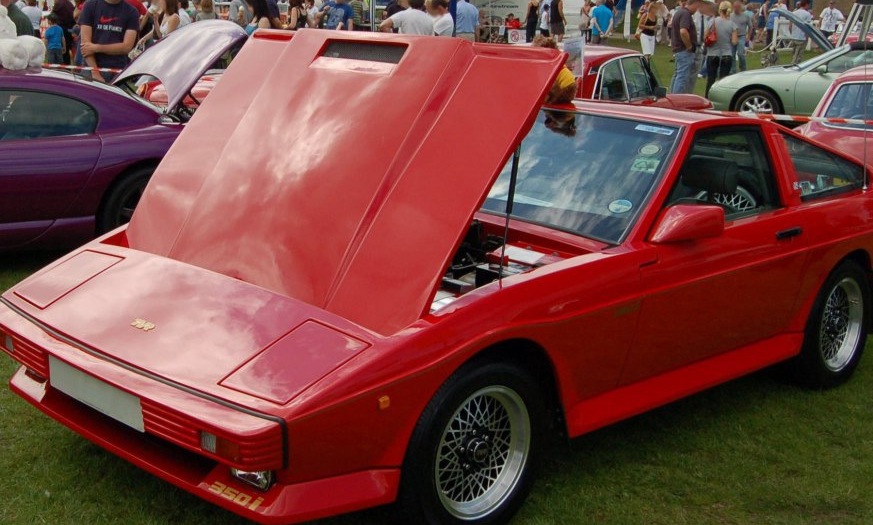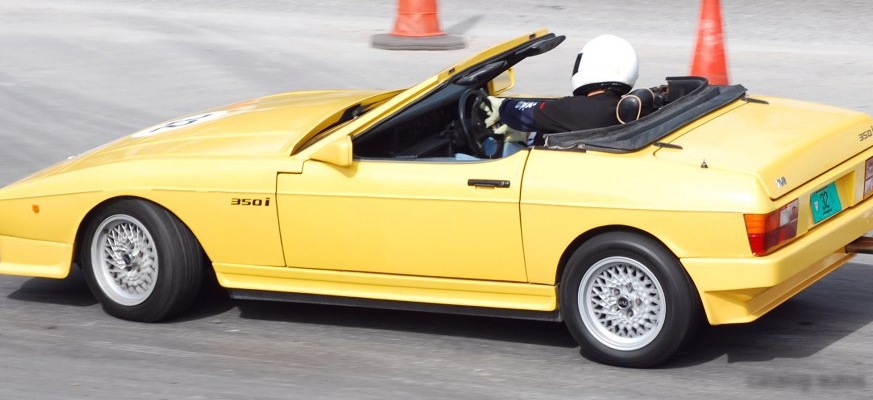
The TVR 350 Cabrio 3.5i, produced between 1983 and 1989, represents a significant chapter in the history of TVR Engineering, a British manufacturer renowned for its lightweight, high-performance sports cars. This open-top variant of the 350 model series offered a compelling blend of raw power and classic British roadster appeal. Positioned as the flagship Cabriolet within the 350 range during its production run, it catered to drivers seeking an exhilarating driving experience without the constraints of a fixed roof. The 350 series, and specifically the Cabrio, aimed to deliver a purist sports car experience, prioritizing driver engagement over outright luxury or technological sophistication. It built upon the foundations laid by earlier TVR models, continuing the company’s tradition of hand-built, uniquely styled vehicles.
Technical Specifications
| Brand | TVR |
| Model | 350 |
| Generation | 350 Cabrio |
| Type (Engine) | 3.5 i (197 Hp) |
| Start of production | 1983 |
| End of production | 1989 |
| Powertrain Architecture | Internal Combustion Engine |
| Body type | Cabriolet |
| Fuel Type | Petrol (Gasoline) |
| Power | 197 Hp |
| Engine Aspiration | Naturally Aspirated |
Powertrain & Engine Architecture
The heart of the TVR 350 Cabrio 3.5i is a 3.5-liter V8 engine, derived from the Rover V8 unit. TVR had a long-standing relationship with Rover, utilizing and extensively modifying their V8 engines to suit their performance-focused vehicles. The 3.5-liter version, in this application, produced 197 horsepower. This engine is naturally aspirated, meaning it relies solely on atmospheric pressure to draw air into the cylinders, rather than forced induction like a turbocharger or supercharger. The engine featured a cast iron block and aluminum cylinder heads, a common configuration for Rover V8s. Fuel delivery was managed by a Bosch K-Jetronic mechanical fuel injection system, a sophisticated system for its time that provided precise fuel metering. The engine’s valvetrain employed a single overhead camshaft design, operating two valves per cylinder.
The engine was mated to a five-speed manual transmission, sourced from LT77, a popular choice for British sports cars of the era. This transmission was known for its robust construction and positive shift feel. The drivetrain was rear-wheel drive, contributing to the car’s lively handling characteristics. The exhaust system was typically a stainless steel setup, designed to minimize backpressure and enhance the V8’s characteristic sound.
Driving Characteristics
The TVR 350 Cabrio 3.5i offered a distinctly raw and engaging driving experience. The combination of a relatively lightweight chassis (around 2,400 lbs) and a 197 horsepower V8 resulted in brisk acceleration. While not a track-focused weapon, the car could achieve 0-60 mph times in the low 6-second range, which was competitive for sports cars of the 1980s. The manual transmission provided precise control, allowing drivers to fully exploit the engine’s power band. The car’s handling was characterized by its responsiveness and direct steering, although it demanded respect due to its lack of modern electronic driver aids. The absence of power steering, common in TVRs of this period, contributed to the direct feel but required more effort at lower speeds. The car’s relatively short wheelbase and rear-wheel drive layout meant that it could be prone to oversteer if pushed hard, requiring skilled driving to maintain control. The open-top configuration enhanced the sensory experience, allowing drivers to fully appreciate the V8’s exhaust note and the rush of air.
Equipment & Trim Levels
The TVR 350 Cabrio 3.5i was not heavily laden with standard equipment, reflecting TVR’s focus on performance and simplicity. The interior was typically trimmed with leather upholstery, although the quality and specification could vary depending on customer preferences. The dashboard was relatively minimalist, featuring a set of analog gauges providing essential information such as speed, RPM, oil pressure, and coolant temperature. A wood-rimmed steering wheel was a common feature. Optional extras included upgraded audio systems, auxiliary lighting, and various trim options. The convertible top was manually operated, requiring physical effort to raise and lower. Air conditioning was available as an option, but it was not a standard feature. The car’s interior was designed to be functional and driver-focused, rather than luxurious or opulent.
Chassis & Braking
The TVR 350 Cabrio utilized a tubular steel space frame chassis, a construction method favored by TVR for its strength and lightweight properties. This chassis provided a rigid platform for the suspension and bodywork. The suspension consisted of independent double wishbones at the front and a live axle with trailing arms at the rear. The suspension was tuned for performance, offering a firm ride that prioritized handling over comfort. Braking was provided by disc brakes all around, although the rear discs were often smaller in diameter than the front. Power assistance was not standard, requiring significant pedal effort. The car’s relatively low weight helped to compensate for the lack of power assistance. The steering was a rack-and-pinion system, providing direct and responsive control.
Market Reception & Comparison
The TVR 350 Cabrio 3.5i was generally well-received by automotive critics, who praised its performance, handling, and distinctive styling. However, it was also noted for its lack of refinement and its demanding driving characteristics. Compared to other sports cars of the era, such as the Porsche 911 or the Chevrolet Corvette, the TVR offered a more raw and visceral experience. Within the TVR lineup, the 350 Cabrio 3.5i represented the top-of-the-range open-top model, offering more power and performance than the smaller-engined versions. Fuel economy was relatively poor, typical of a V8-powered sports car of the 1980s. Reliability could be variable, as TVRs were hand-built and often relied on components sourced from various suppliers.
Legacy
The TVR 350 Cabrio 3.5i remains a sought-after classic car, particularly among enthusiasts who appreciate its unique character and driving experience. The Rover V8 engine, while not known for its ultimate reliability, is relatively straightforward to maintain and rebuild. Parts availability can be a challenge, but a dedicated network of TVR specialists and suppliers exists. The car’s lightweight construction and powerful engine continue to provide an engaging driving experience, even by modern standards. Values for well-maintained examples have been steadily increasing in recent years, reflecting the growing appreciation for TVR’s unique contribution to British automotive history. The 350 Cabrio 3.5i stands as a testament to TVR’s commitment to building uncompromising sports cars for drivers who prioritize passion and performance over practicality and refinement.