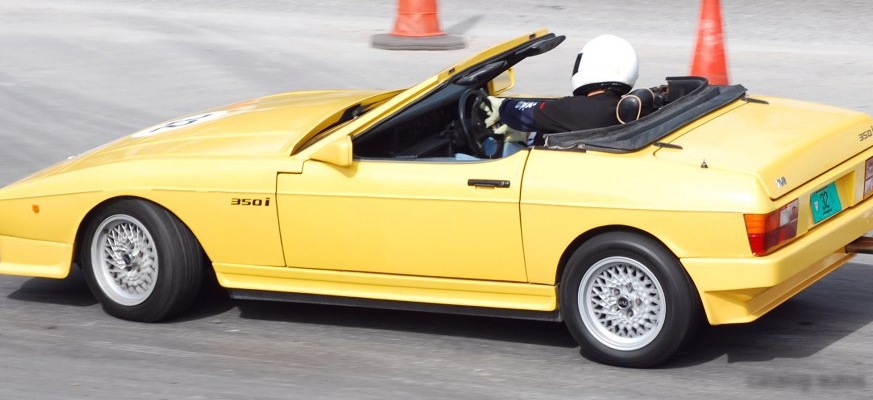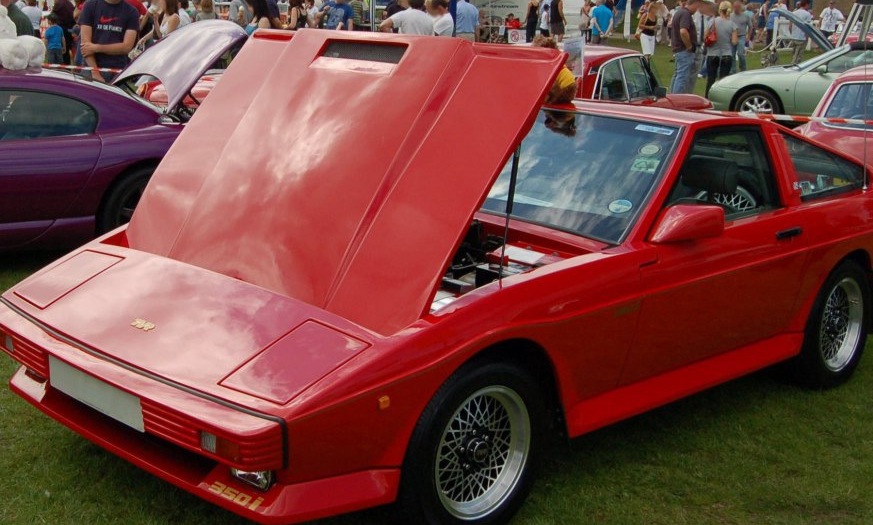
The TVR 350 Coupe 3.5i, produced between 1983 and 1989, represents a pivotal point in the British sports car manufacturer’s history. This model, part of the broader 350 series, aimed to deliver a raw, exhilarating driving experience at a relatively accessible price point within the sports car market. It was a direct successor to the earlier TVR 3000S, and served as a stepping stone towards the more refined and technologically advanced models that TVR would produce in the 1990s. The 350 Coupe distinguished itself with its lightweight construction, powerful V6 engine, and distinctive wedge-shaped styling, embodying the classic TVR aesthetic. It was primarily sold in the UK and Europe, with limited exports to other markets.
Technical Specifications
| Brand | TVR |
| Model | 350 |
| Generation | 350 Coupe |
| Type (Engine) | 3.5 i (197 Hp) |
| Start of Production | 1983 |
| End of Production | 1989 |
| Powertrain Architecture | Internal Combustion Engine |
| Body Type | Coupe |
| Fuel Type | Petrol (Gasoline) |
| Power | 197 Hp |
| Engine Aspiration | Naturally Aspirated |
Powertrain & Engine Architecture
The heart of the TVR 350 Coupe 3.5i is its Rover V6 engine, specifically the 3.5-liter variant. This engine, derived from the Buick-Oldsmobile-Pontiac (BOP) design originally developed in the 1960s, had been extensively modified by Rover over the years. TVR utilized the later fuel-injected versions of this engine, typically employing the Lucas digital fuel injection system. This system, while improving efficiency and driveability compared to earlier carbureted versions, was sometimes prone to issues with its sensors and control unit. The engine features a 60-degree V6 configuration with a single overhead camshaft per cylinder bank. The engine’s aluminum cylinder heads and block contribute to its relatively lightweight nature, a key factor in the TVR’s overall performance. The 3.5i version produced 197 horsepower and approximately 220 lb-ft of torque. The engine was mated to a five-speed manual transmission as standard, although a three-speed automatic transmission was offered as an option, albeit less common. The automatic transmission, while providing convenience, noticeably detracted from the car’s performance potential.
Driving Characteristics
The TVR 350 Coupe 3.5i delivers a distinctly raw and engaging driving experience. The lightweight chassis, typically around 2,200 lbs, combined with the 197 hp engine, results in brisk acceleration. Zero to sixty mph times were typically in the range of 5.8 to 6.5 seconds, depending on the transmission and specific vehicle weight. The manual transmission version offers precise gear changes and allows the driver to fully exploit the engine’s power band. The automatic transmission, while smoother, introduces noticeable torque converter slip and reduces overall responsiveness. The suspension, consisting of independent double wishbones all around with coil springs and anti-roll bars, provides a firm but compliant ride. Steering is unassisted, offering direct and communicative feedback, but requiring significant effort at low speeds. The car’s limited wheelbase and relatively narrow track contribute to its nimble handling, but also require attentive driving to maintain stability, particularly on uneven surfaces. Braking performance is adequate, with ventilated discs on the front wheels and solid discs on the rear, but lacks the sophistication of more modern braking systems.
Equipment & Trim Levels
The TVR 350 Coupe was relatively spartan in terms of standard equipment, reflecting its focus on driving experience rather than luxury. Standard features typically included leather seats, a wood-rimmed steering wheel, and basic instrumentation. The interior was characterized by its minimalist design and use of high-quality materials. Optional extras included air conditioning, a sunroof, and upgraded audio systems. Trim levels were limited, with most customization occurring through individual specification. Customers could choose from a wide range of interior colors and materials, as well as exterior paint options. The dashboard layout was simple and functional, with clearly marked gauges for speed, RPM, oil pressure, coolant temperature, and fuel level. The car lacked many of the modern convenience features found in contemporary vehicles, such as power windows or central locking.
Chassis & Braking
The TVR 350 Coupe utilizes a tubular steel space frame chassis, a construction method favored by TVR for its lightweight and high strength. This chassis is then covered with fiberglass body panels, further contributing to the car’s low weight. The suspension system, as mentioned previously, employs independent double wishbones all around, providing a good balance of handling and ride comfort. Front brakes are ventilated discs, offering improved heat dissipation, while rear brakes are solid discs. The braking system is hydraulically assisted, but lacks ABS or other electronic aids. The steering is unassisted, providing direct feedback but requiring considerable effort, especially during parking maneuvers. Wheel sizes were typically 15 inches, with tires chosen to maximize grip and handling. The car’s relatively short wheelbase and wide track contribute to its agile handling characteristics.
Market Reception & Comparison
The TVR 350 Coupe 3.5i was generally well-received by automotive critics, who praised its performance, handling, and distinctive styling. However, it was also criticized for its lack of refinement, build quality issues, and the sometimes temperamental Lucas fuel injection system. Compared to its contemporaries, such as the Porsche 944 or the Lotus Esprit, the TVR offered a more raw and visceral driving experience at a lower price point. However, it lacked the build quality and reliability of its German and Japanese rivals. Within the TVR lineup, the 350 Coupe 3.5i sat towards the top end of the range, offering more performance than the earlier 3000S models but less than the later, more powerful TVR Griffith models. Fuel economy was relatively poor, averaging around 18-22 mpg in mixed driving. Reliability was a mixed bag, with the Rover V6 engine generally proving durable, but the Lucas fuel injection system and other electrical components being prone to failure.
Legacy
The TVR 350 Coupe 3.5i remains a popular choice among enthusiasts seeking a classic British sports car. Its lightweight construction, powerful engine, and distinctive styling have ensured its enduring appeal. However, potential buyers should be aware of the car’s potential maintenance issues, particularly with the Lucas fuel injection system and other electrical components. Parts availability can be challenging, and specialist knowledge is often required for repairs. Despite these challenges, the TVR 350 Coupe 3.5i offers a unique and rewarding driving experience that is difficult to replicate in modern vehicles. In the used car market, prices vary depending on condition and mileage, but well-maintained examples can command significant values. The 350 Coupe represents a significant chapter in TVR’s history, showcasing the company’s commitment to building exciting and engaging sports cars.