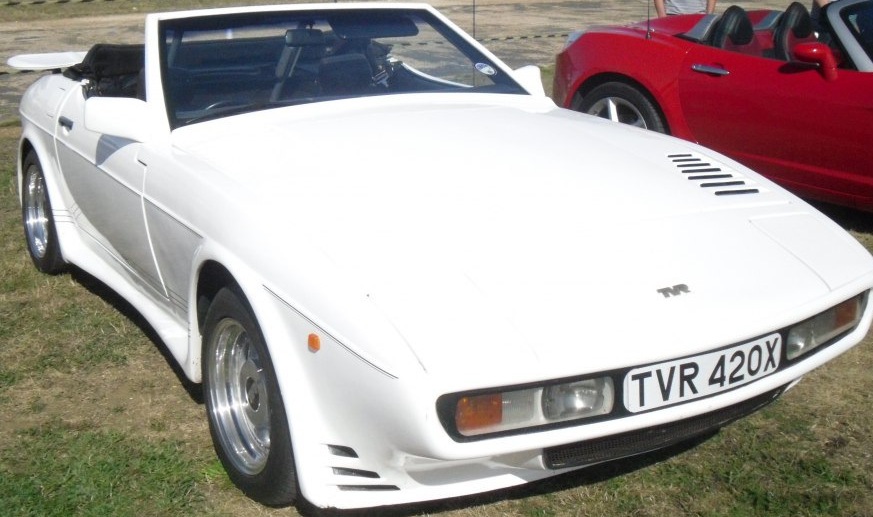
The TVR 420 Sports Saloon, produced between 1986 and 1988, represents a relatively short-lived but significant chapter in the history of TVR Engineering. Positioned as a performance-oriented sedan, the 420 aimed to deliver the raw driving experience TVR was known for, packaged in a more practical four-door body style than the company’s typically two-seater sports cars. It was built upon a modified version of the TVR S series chassis, utilizing a robust, if somewhat archaic, construction method. The 420 was intended to broaden TVR’s appeal, offering a blend of performance and usability that hadn’t been previously explored by the Blackpool-based manufacturer. Production numbers were limited, contributing to its relative rarity today.
Technical Specifications
| Brand | TVR |
| Model | 420 |
| Generation | 420 Sports Saloon |
| Type (Engine) | 4.2 (269 Hp) |
| Start of Production | 1986 |
| End of Production | 1988 |
| Powertrain Architecture | Internal Combustion Engine |
| Body Type | Sedan |
| Fuel Type | Petrol (Gasoline) |
| Power | 269 Hp |
| Engine Aspiration | Naturally Aspirated |
Powertrain & Engine Architecture
The heart of the TVR 420 is its 4.2-liter V8 engine, derived from the Rover V8 unit. TVR had a long-standing relationship with Rover, utilizing their V8 engines in many of their models. However, TVR didn’t simply drop the engine in; they extensively modified it to enhance performance. These modifications included high-flow cylinder heads, a performance camshaft, and a revised intake manifold. The engine produced 269 horsepower, a substantial figure for the mid-1980s, and delivered a healthy dose of torque. The engine is naturally aspirated, relying on displacement and careful tuning rather than forced induction for its power output.
The engine was mated to a five-speed manual transmission, sourced from LT77. This transmission was known for its robust construction and positive shift feel, although it could be considered somewhat agricultural by modern standards. The drivetrain was rear-wheel drive, contributing to the car’s lively handling characteristics. Fuel delivery was handled by a SU carburetor system, a somewhat outdated technology for the time, but one that TVR continued to employ due to its simplicity and tuneability. The engine block itself was cast iron, contributing to its durability, while the cylinder heads were aluminum, helping to reduce weight.
Driving Characteristics
The TVR 420 offered a distinctly raw and engaging driving experience. The combination of the powerful V8 engine and the lightweight chassis resulted in brisk acceleration and responsive handling. The car wasn’t particularly refined; road noise and engine vibrations were noticeable, but these were considered part of the TVR experience. The steering was unassisted, providing direct and communicative feedback. The suspension, while relatively simple, was firm enough to control body roll during cornering, but also compliant enough to provide a reasonable ride quality on less-than-perfect road surfaces.
The 420’s rear-wheel-drive layout and relatively short wheelbase meant that it could be prone to oversteer, particularly when driven aggressively. However, experienced drivers found this characteristic enjoyable and rewarding. The five-speed manual transmission allowed drivers to keep the engine in its sweet spot, maximizing performance. The car’s relatively low weight – around 2,600 pounds – further enhanced its agility and responsiveness.
Equipment & Trim Levels
The TVR 420 was not a car known for its lavish interior appointments. The focus was firmly on performance, and the interior reflected this. Standard features included leather seats, a wood-rimmed steering wheel, and basic instrumentation. The dashboard was relatively simple in design, with a clear layout of gauges. The interior trim was generally of good quality, but it lacked the sophistication of more mainstream luxury sedans.
Optional extras included air conditioning, power windows, and a sunroof. However, these options were relatively expensive and were not commonly specified by buyers. The TVR 420 was typically sold as a fairly basic package, with buyers prioritizing performance over comfort and convenience. Interior color options were limited, typically consisting of shades of black, grey, and tan leather.
Chassis & Braking
The TVR 420 utilized a steel spaceframe chassis, a construction method that TVR had perfected over many years. This chassis was lightweight and incredibly strong, providing a solid foundation for the car’s performance. The suspension consisted of independent double wishbones at the front and a live axle with trailing arms at the rear. The rear axle was located by trailing arms and a Panhard rod, helping to control axle movement and maintain stability.
Braking was provided by disc brakes all around, although the rear discs were smaller than the front discs. The braking system was adequate for the car’s performance, but it lacked the sophistication of more modern braking systems. The car did not feature anti-lock brakes (ABS) or traction control, reflecting its age and its focus on driver involvement. The steering was a traditional rack-and-pinion system, providing direct and precise steering feel.
Market Reception & Comparison
The TVR 420 received mixed reviews from automotive critics. While its performance and handling were widely praised, its lack of refinement and somewhat dated technology were criticized. Some reviewers found the interior to be spartan and the ride quality to be harsh. However, the car’s unique character and engaging driving experience won it a loyal following among enthusiasts.
Compared to other performance sedans of the era, such as the BMW M5 and the Ford Sierra Cosworth, the TVR 420 offered a different proposition. It was less refined and less technologically advanced than these rivals, but it was also more affordable and more exclusive. The TVR 420 appealed to buyers who wanted a raw, visceral driving experience and were willing to sacrifice some comfort and convenience in the process.
Legacy
The TVR 420 Sports Saloon remains a relatively rare and sought-after classic car. Its limited production numbers and unique character have made it a favorite among TVR collectors. The Rover V8 engine, while not the most modern or efficient, is known for its reliability and durability, provided it is properly maintained. However, like all classic cars, the TVR 420 requires regular maintenance and attention to detail.
Today, the TVR 420 represents a fascinating glimpse into a bygone era of British sports car manufacturing. It is a car that prioritizes driving pleasure above all else, and it continues to offer a uniquely engaging and rewarding experience for those who are willing to embrace its quirks and imperfections. The car’s value has been steadily increasing in recent years, reflecting its growing popularity among collectors and enthusiasts.