
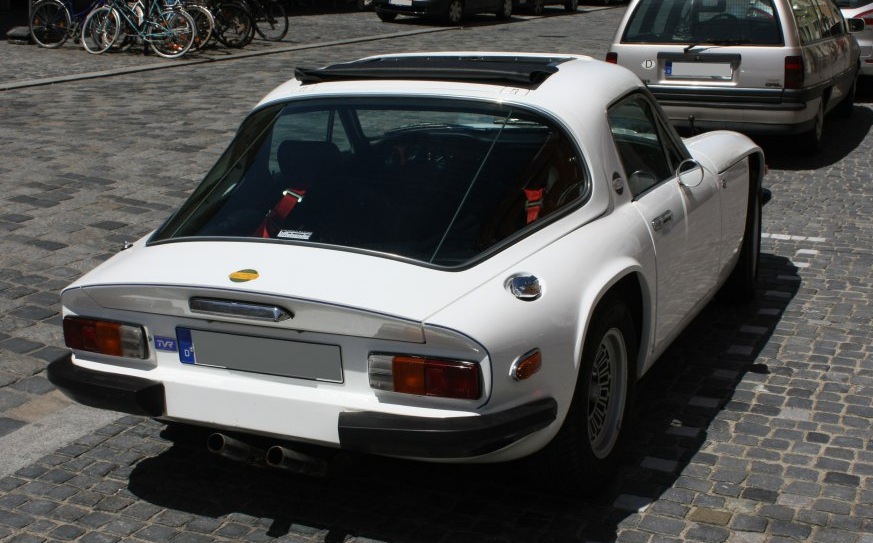
The TVR Taimar 3.0, produced between 1976 and 1980, represents a pivotal, though often overlooked, chapter in the history of TVR Engineering. Positioned as the flagship model during its production run, the Taimar aimed to offer a blend of British sports car tradition with a more refined and powerful driving experience than its predecessors. It was the final evolution of the TVR Series 2 design, bridging the gap between the earlier Vixen models and the subsequent Tasmin. The Taimar, named after a mythical Celtic warrior, was intended to appeal to a broader audience while retaining the core TVR values of lightweight construction and exhilarating performance. It’s a car that embodies the independent spirit of TVR, built in relatively small numbers and characterized by its distinctive styling and robust mechanicals.
Technical Specifications
| Brand | TVR |
| Model | Taimar |
| Generation | Taimar |
| Type (Engine) | 3.0 (142 Hp) |
| Start of Production | 1976 |
| End of Production | 1980 |
| Powertrain Architecture | Internal Combustion Engine |
| Body Type | Coupe |
| Fuel Type | Petrol (Gasoline) |
| Power | 142 Hp |
| Engine Aspiration | Naturally Aspirated |
Powertrain & Engine Architecture
The heart of the Taimar 3.0 is its Ford Essex V6 engine, displacing 2,994 cc (182.7 cubic inches). This engine, a mainstay of Ford’s performance lineup in the 1970s, was chosen for its readily available power and relatively compact size. In TVR’s application, the Essex V6 was typically tuned to produce 142 horsepower, although variations existed depending on the specific year and market. The engine is naturally aspirated, utilizing a single Zenith-Stromberg carburetor – often a 38/38 DGAV – for fuel delivery. While not the most sophisticated fuel injection system by modern standards, the carburetor provided adequate performance for the time and was relatively easy to maintain. The engine features a cast iron block and aluminum cylinder heads, contributing to its durability. The valvetrain consists of a single overhead camshaft operating two valves per cylinder.
The Taimar 3.0 exclusively used a four-speed manual transmission sourced from Ford. This transmission, while robust, isn’t known for its particularly precise shift feel, and is often cited as a minor weakness in the Taimar’s overall driving experience. The transmission is coupled to a standard open differential. The drivetrain layout is rear-wheel drive, a fundamental characteristic of TVR sports cars.
Driving Characteristics
The Taimar 3.0 offers a distinctly analog driving experience. With 142 horsepower propelling a relatively lightweight chassis (around 2,200 lbs), the car delivers brisk acceleration. Zero to sixty mph times were typically in the 7.5 to 8.5 second range, respectable for the era. The four-speed manual transmission requires deliberate shifts, and the lack of overdrive can make highway cruising somewhat noisy and fuel-intensive. The gear ratios are fairly widely spaced, prioritizing acceleration over fuel economy. The power delivery is linear, with a noticeable surge in the mid-range. The Taimar’s handling is characterized by its direct steering and responsive chassis. However, the suspension, while effective, is relatively basic, and the car can exhibit body roll in corners. The lack of modern driver aids means that the driver must be actively engaged in controlling the car, making it a rewarding but demanding drive.
Equipment & Trim Levels
The Taimar 3.0 was offered with a relatively limited range of options, reflecting TVR’s focus on performance over luxury. Standard equipment included leather seats, a wood-rimmed steering wheel, and a comprehensive instrument panel featuring gauges for speed, tachometer, oil pressure, water temperature, and fuel level. Interior trim was generally well-appointed for a sports car of its time, though the quality of materials varied. Optional extras included a sunroof, upgraded stereo systems, and various exterior color choices. The dashboard layout was functional and driver-focused, with all essential controls within easy reach. The Taimar didn’t offer air conditioning or power windows as options, maintaining its commitment to lightweight construction.
Chassis & Braking
The Taimar’s chassis is a steel spaceframe construction, a hallmark of TVR engineering. This design provides a high degree of rigidity while minimizing weight. The suspension consists of independent double wishbones at the front and a live axle with trailing arms at the rear. The front suspension incorporates coil springs and telescopic shock absorbers, while the rear utilizes leaf springs. Braking is provided by disc brakes at the front and drum brakes at the rear. The braking system, while adequate for normal driving, can feel somewhat underpowered when subjected to repeated hard stops. The Taimar did not feature power-assisted brakes, requiring a firm pedal effort. Steering is a rack and pinion system, providing precise and responsive control.
Market Reception & Comparison
The TVR Taimar 3.0 was generally well-received by automotive critics, who praised its performance, handling, and distinctive styling. However, it was also criticized for its relatively basic interior, somewhat agricultural transmission, and limited practicality. Compared to its contemporaries, such as the Porsche 924 and the Lotus Esprit, the Taimar offered a more raw and visceral driving experience at a lower price point. Within the TVR lineup, the Taimar 3.0 represented the top-of-the-range model, offering significantly more power and performance than the earlier Vixen models. Fuel economy was relatively poor, averaging around 18-22 mpg. Reliability was typical of British sports cars of the era – requiring diligent maintenance and a degree of mechanical sympathy.
Legacy
The TVR Taimar 3.0, while produced in limited numbers (estimated around 800-1000 units), holds a significant place in TVR’s history. It represents the culmination of the Series 2 design and paved the way for the more modern Tasmin model. Today, the Taimar 3.0 is a sought-after classic car, appreciated by enthusiasts for its unique character and exhilarating driving experience. The Ford Essex V6 engine is generally considered reliable, provided it is properly maintained. However, parts availability can be a challenge, and specialist knowledge is often required for repairs. The Taimar’s steel spaceframe chassis is relatively resistant to corrosion, but careful inspection is essential when considering a purchase. Values for well-maintained examples have been steadily increasing in recent years, reflecting the growing demand for classic British sports cars. It remains a testament to TVR’s commitment to building exciting and unconventional automobiles.
