
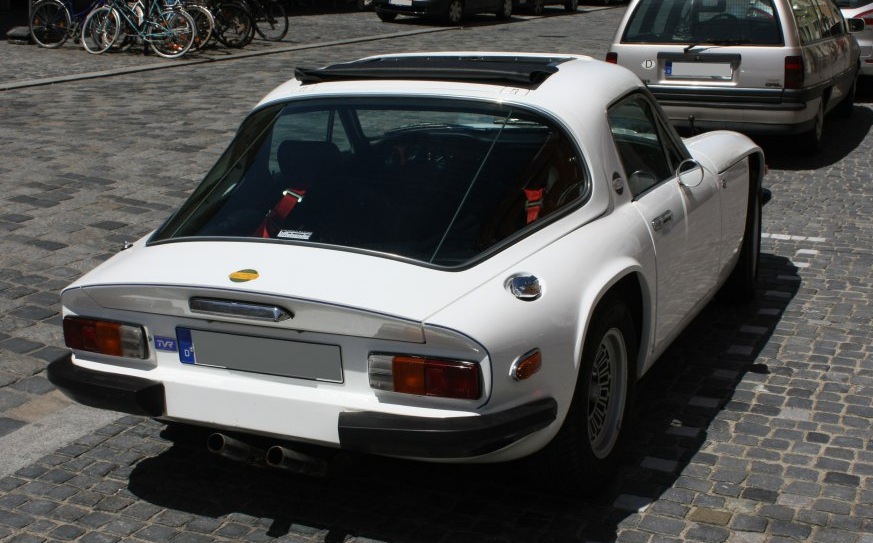
The TVR Taimar 3.0 Turbo, produced between 1976 and 1980, represents a pivotal moment in the British sports car manufacturer’s history. Positioned as the flagship performance variant of the Taimar model line, it was TVR’s answer to the growing demand for turbocharged sports cars in the late 1970s. The Taimar itself was a relatively short-lived model, intended to bridge the gap between the outgoing Vixen and the later Tasmin, utilizing a modified version of the Vixen’s chassis. The 3.0 Turbo was the ultimate expression of this platform, offering significantly increased power and performance compared to the naturally aspirated versions. It was a relatively low-volume production car, adding to its exclusivity and collectibility today.
Technical Specifications
| Brand | TVR |
| Model | Taimar |
| Generation | Taimar |
| Type (Engine) | 3.0 Turbo (230 Hp) |
| Start of Production | 1976 |
| End of Production | 1980 |
| Powertrain Architecture | Internal Combustion Engine |
| Body Type | Coupe |
| Fuel Type | Petrol (Gasoline) |
| Power | 230 Hp |
| Engine Aspiration | Turbocharger |
Powertrain & Engine Architecture
The heart of the Taimar 3.0 Turbo is its Ford-sourced, 2.88-liter (approximately 3.0-liter, hence the name) V6 engine, heavily modified by TVR. This engine, based on the Ford Essex V6, received a Garrett T25 turbocharger, significantly boosting its output. While the base Ford Essex V6 typically produced around 160 horsepower in naturally aspirated form, the TVR-tuned, turbocharged version delivered a claimed 230 horsepower. The turbocharger was paired with an intercooler to reduce intake air temperatures, improving efficiency and preventing detonation. Fuel delivery was managed by a Weber carburetor, modified to handle the increased airflow. The engine featured a single overhead camshaft design, a characteristic of the Ford Essex V6. The transmission was a five-speed manual gearbox, sourced from Ford, chosen for its robustness and ability to handle the increased torque. The drivetrain was rear-wheel drive, typical of TVRs and contributing to the car’s sporty handling characteristics.
Driving Characteristics
The Taimar 3.0 Turbo offered a dramatically different driving experience compared to the naturally aspirated Taimar models. The turbocharger provided a noticeable surge of power, particularly in the mid-range, resulting in brisk acceleration. While precise performance figures are difficult to verify due to limited contemporary testing, period reviews suggest a 0-60 mph time of around 5.5 to 6 seconds, which was very competitive for the era. The five-speed gearbox allowed drivers to keep the engine in its optimal power band. However, the turbocharger did introduce a degree of turbo lag, meaning there was a slight delay between pressing the accelerator and feeling the full boost. The car’s relatively lightweight construction (around 2,200 lbs) helped to mitigate this lag and contributed to its agile handling. The suspension, while based on the Vixen’s design, was often upgraded with stiffer springs and dampers to cope with the increased power. The steering was unassisted, providing direct and communicative feedback, but requiring considerable effort at low speeds.
Equipment & Trim Levels
The Taimar 3.0 Turbo was positioned as the premium model in the Taimar lineup, and as such, it came with a higher level of standard equipment than the lower-spec versions. The interior typically featured leather upholstery, although the specific color and pattern could vary depending on customer preference. A wood-rimmed steering wheel and a comprehensive instrument panel were also standard. The dashboard layout was relatively simple and functional, reflecting the car’s focus on driving enjoyment. Optional extras included a sunroof, upgraded stereo systems, and various cosmetic enhancements. The Taimar 3.0 Turbo didn’t offer the extensive list of luxury features found in some contemporary grand tourers; its appeal lay in its raw performance and driver-focused experience. The interior was relatively spartan, but well-appointed for a sports car of its time.
Chassis & Braking
The Taimar’s chassis was a steel spaceframe construction, a design TVR had been refining for years. It was relatively lightweight and provided a good level of rigidity. The suspension consisted of independent double wishbones at the front and a live axle with trailing arms at the rear. The front suspension incorporated anti-roll bar to reduce body roll during cornering. Braking was provided by disc brakes all around, although the rear discs were smaller than the front. The braking system was not particularly sophisticated by modern standards, lacking features like ABS, but it was generally considered adequate for the car’s performance capabilities. The Taimar’s relatively low weight helped to reduce the strain on the brakes. The steering was a rack and pinion system, providing precise and responsive control.
Market Reception & Comparison
The Taimar 3.0 Turbo was generally well-received by automotive journalists, who praised its performance and handling. However, it was also criticized for its relatively rough ride and lack of refinement. Compared to other sports cars of the era, such as the Porsche 911 and the Lotus Esprit, the Taimar 3.0 Turbo offered a more visceral and engaging driving experience, but lacked the same level of sophistication. Against its British rivals, like the Jensen Interceptor, it offered superior handling and performance, but was less luxurious. Fuel economy was predictably poor, given the turbocharged engine and the car’s weight. Reliability was also a concern, as with many TVRs of this period. The complex turbocharging system and the modified engine components were prone to issues if not properly maintained. The Taimar 3.0 Turbo was a niche product, appealing to enthusiasts who prioritized performance over comfort and practicality.
Legacy
The TVR Taimar 3.0 Turbo remains a highly sought-after collector’s car today. Its rarity, combined with its performance and distinctive styling, makes it a valuable investment. The turbocharged Essex V6 engine, while not known for its longevity, is still capable of delivering impressive performance when properly maintained. Finding parts can be challenging, as TVR went out of business several times, and many components are no longer in production. However, a dedicated network of TVR specialists and enthusiasts exists to support owners. The Taimar 3.0 Turbo represents a high point in TVR’s history, showcasing the company’s engineering prowess and its commitment to building exciting and unconventional sports cars. It’s a reminder of a time when British sports cars were known for their character, performance, and a certain degree of eccentricity. The car’s enduring appeal lies in its ability to deliver a raw and engaging driving experience that few modern cars can match.
