
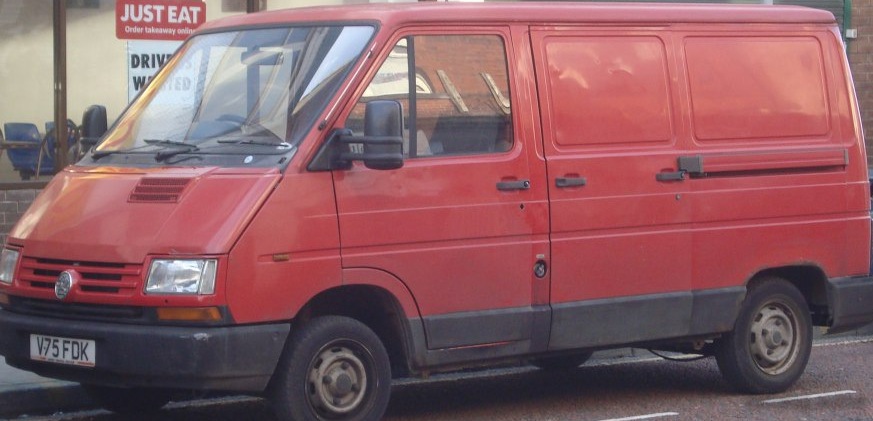
The Vauxhall Arena 2.5 D (75 hp) was a commercially-oriented minivan produced between 1997 and 2000. Positioned as a workhorse vehicle, it represented the base engine option for the Arena range, a model designed to compete with similar vans like the Ford Transit Connect and Renault Kangoo in the European market. The Arena itself was a rebadged version of the Opel Combo, and the 2.5 D variant specifically targeted businesses and tradespeople needing a practical, affordable, and relatively simple-to-maintain vehicle for carrying goods and personnel. It was a key part of Vauxhall’s light commercial vehicle lineup during this period, offering a larger capacity than smaller panel vans while remaining relatively compact for urban use.
Technical Specifications
| Brand | Vauxhall |
| Model | Arena |
| Generation | Arena |
| Type (Engine) | 2.5 D (75 hp) |
| Start of Production | 1997 |
| End of Production | 2000 |
| Powertrain Architecture | Internal Combustion Engine |
| Body Type | Minivan |
| Seats | 9 |
| Doors | 5 |
| Fuel Type | Diesel |
| Power | 75 hp |
| Engine Aspiration | Naturally Aspirated |
| Engine Oil Capacity | 5.5 liters (5.81 US qt | 4.84 UK qt) |
| Coolant Capacity | 8.5 liters (8.98 US qt | 7.48 UK qt) |
| Drivetrain | Front Wheel Drive |
Powertrain & Engine Architecture
The heart of the Arena 2.5 D was a naturally aspirated, 2.5-liter inline-four diesel engine. This engine, often referred to as the 4FE1, was sourced from Isuzu, a long-time partner of Vauxhall/Opel. It was a relatively simple, direct-injection diesel, relying on a mechanical fuel injection pump rather than the more modern common-rail systems that were beginning to appear around this time. This simplicity contributed to its robustness and ease of maintenance, but also limited its power output and refinement. The engine featured a cast iron block and head, known for their durability. The 75 horsepower output was achieved at a relatively low engine speed, prioritizing torque for hauling and load-carrying. The engine’s valvetrain consisted of a single overhead camshaft operating two valves per cylinder. The Arena 2.5 D was exclusively offered with a five-speed manual transmission, designed to efficiently deliver the engine’s torque to the front wheels. An automatic transmission was not available on this specific variant.
Driving Characteristics
The driving experience of the Arena 2.5 D was decidedly utilitarian. With only 75 hp propelling a relatively heavy vehicle, acceleration was slow, particularly when fully loaded. The engine produced a respectable amount of torque for its displacement, peaking at around 147 lb-ft, which made it reasonably capable of handling moderate loads and inclines. However, overtaking maneuvers required careful planning. The five-speed manual transmission was geared towards maximizing fuel economy and providing sufficient pulling power at lower speeds. Gear ratios were relatively tall, contributing to the relaxed cruising experience, but also requiring frequent downshifts when encountering hills or needing to accelerate quickly. Compared to potential higher-output versions (had they existed for the Arena), this 2.5 D prioritized fuel efficiency and durability over outright performance. The suspension, tuned for carrying loads, provided a firm but generally comfortable ride when unladen, though it could become somewhat bouncy with a full complement of passengers or cargo.
Equipment & Trim Levels
The Arena 2.5 D was offered with a very basic level of equipment, reflecting its commercial focus. Standard features typically included a driver’s airbag, power steering, and a basic stereo system. The interior was primarily functional, with durable plastic trim and cloth upholstery. The seats were designed for practicality rather than luxury, offering reasonable comfort for everyday use. Optional extras were limited, but could include items such as upgraded stereo systems, electric windows, and central locking. The dashboard layout was straightforward and easy to use, with large, clearly marked controls. Air conditioning was rarely specified on this base model, and was generally considered an optional extra for those operating in warmer climates. The Arena’s interior was designed to be easily cleaned and maintained, reflecting its intended use as a work vehicle.
Chassis & Braking
The Arena’s chassis was a traditional ladder-frame construction, providing a robust and durable platform for carrying loads. The front suspension consisted of MacPherson struts, while the rear suspension utilized a twist-beam axle. This setup provided a good balance between ride comfort and load-carrying capacity. The braking system featured disc brakes on the front wheels and drum brakes on the rear wheels. This configuration was typical for vehicles in this class at the time, prioritizing cost-effectiveness over ultimate stopping power. Anti-lock Braking System (ABS) was not standard on all models, and was often an optional extra. The steering was a recirculating ball system, providing a relatively direct feel but lacking the precision of more modern rack-and-pinion setups. Stabilizer bars were fitted to both the front and rear axles to reduce body roll during cornering.
Market Reception & Comparison
The Vauxhall Arena 2.5 D was generally well-received by businesses and tradespeople seeking a practical and affordable van. Critics praised its durability, low running costs, and spacious interior. However, it was also criticized for its lack of refinement, slow acceleration, and basic equipment levels. Compared to other vans in its class, such as the Ford Transit Connect and Renault Kangoo, the Arena offered a larger load capacity but lacked the more sophisticated features and driving dynamics of its competitors. Fuel economy was reasonable for a diesel engine of this era, averaging around 35-40 mpg. Reliability was generally good, thanks to the simplicity of the engine and drivetrain, but maintenance costs could be higher due to the age of the vehicle and the potential for wear and tear on older components.
Legacy
The Vauxhall Arena 2.5 D, while not a particularly glamorous vehicle, proved to be a reliable and durable workhorse for many businesses and tradespeople. The Isuzu-sourced 4FE1 diesel engine is known for its longevity, and many examples are still in use today, albeit often with high mileage. In the used car market, the Arena 2.5 D remains an affordable option for those seeking a practical and spacious van. However, potential buyers should be aware of the vehicle’s age and the potential for maintenance issues. The Arena’s legacy lies in its simplicity, robustness, and affordability, making it a popular choice for those who prioritized practicality over performance and refinement. It represents a bygone era of commercial vehicles focused on function over form.
