Technical Specifications
| Brand | Vauxhall |
| Model | Astra |
| Generation | Astra CC |
| Type (Engine) | 1.2 S (60 Hp) |
| Start of production | 1982 |
| End of production | 1984 |
| Powertrain Architecture | Internal Combustion engine |
| Body type | Hatchback |
| Seats | 5 |
| Doors | 5 |
| Fuel Type | Petrol (Gasoline) |
| Power | 60 Hp |
| Engine Model/Code | 12S, 12ST |
| Engine aspiration | Naturally aspirated engine |
| Engine oil capacity | 2.75 l / 2.91 US qt / 2.42 UK qt |
| Coolant capacity | 5.7 l / 6.02 US qt / 5.02 UK qt |
| Drivetrain Architecture | Front wheel drive |
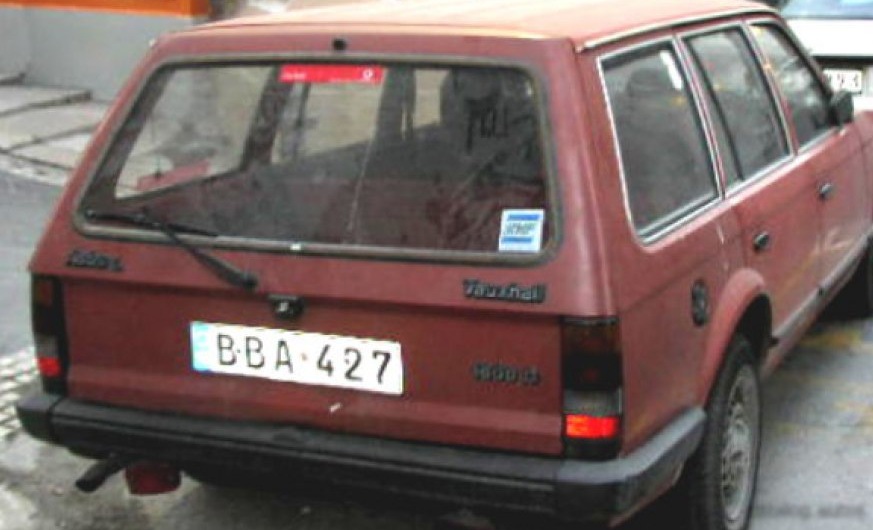
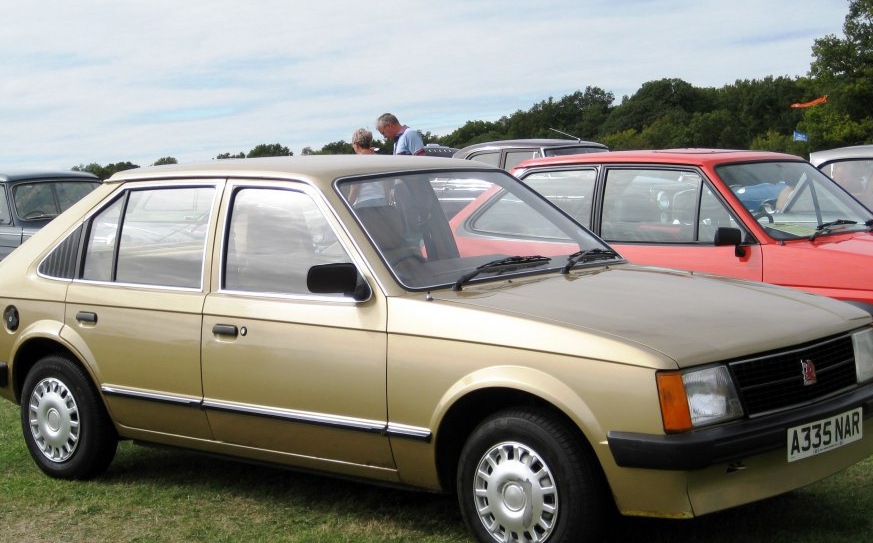
The Vauxhall Astra CC 1.2 S, produced between 1982 and 1984, represents the entry-level variant of the first-generation Astra (designated Astra CC). Positioned as an affordable and economical hatchback, it played a crucial role in establishing the Astra as a popular choice in the British market. This model, part of the broader Astra range built upon the GM T-platform, aimed to provide basic transportation with reasonable reliability. The “CC” designation signified the initial generation of the Astra, while the “1.2 S” denoted the engine size and trim level. It was designed to compete with other small family cars like the Ford Escort and Austin Metro.
Powertrain & Engine Architecture
The heart of the Astra 1.2 S is a 1.2-liter, naturally aspirated inline-four cylinder petrol engine, designated as either 12S or 12ST depending on minor variations. This engine, a relatively simple design, was intended for fuel efficiency rather than outright performance. It featured a single overhead camshaft (SOHC) valvetrain operating two valves per cylinder. Fuel delivery was managed by a single, down-draft carburetor – a common setup for vehicles of this era. The carburetor, while simple and reliable, wasn’t as precise as fuel injection systems, impacting fuel economy and emissions compared to later designs. The engine produced 60 horsepower at approximately 5,600 rpm and around 77 lb-ft of torque at 3,200 rpm. The engine was mated to a four-speed manual transmission as standard, although a three-speed automatic transmission was offered as an optional extra. The automatic transmission, while providing convenience, further reduced acceleration and increased fuel consumption.
Driving Characteristics
The Astra 1.2 S, even in manual form, was not a particularly quick car. Acceleration from 0 to 60 mph took around 15-16 seconds, and top speed was approximately 90 mph. The automatic transmission version was noticeably slower. The engine’s limited torque meant that it required frequent gear changes to maintain momentum, especially when climbing hills or overtaking. The gear ratios in the four-speed manual were relatively widely spaced, prioritizing fuel economy over spirited driving. The steering was light and relatively precise for the time, but the suspension, while adequate, was tuned for comfort rather than handling. The car felt stable enough in most driving conditions, but body roll was noticeable during cornering. The automatic transmission, while smooth in operation, further dulled the driving experience, with noticeable “hunting” for the correct gear in certain situations. It wasn’t uncommon for the automatic to downshift unexpectedly, or to struggle with maintaining speed on inclines.
Equipment & Trim Levels
The 1.2 S trim level represented the base model in the Astra CC range. Standard equipment was fairly basic, reflecting its affordable price point. It typically included cloth upholstery, a simple dashboard with analog gauges, and basic door cards. Features like a radio, heated rear window, and upgraded interior trim were often optional extras. The exterior featured black plastic trim and steel wheels with hubcaps. The interior was functional but lacked the refinements found in higher-spec Astra models. Optional extras included a sunroof, upgraded stereo systems, and different wheel covers. The overall interior design was typical of early 1980s European cars – durable, practical, and focused on functionality. The dashboard layout was straightforward, with minimal ornamentation, and the seats offered basic support.
Chassis & Braking
The Astra CC utilized a relatively conventional chassis design for the period. It featured independent front suspension with MacPherson struts and a torsion beam rear suspension. The front suspension provided a reasonable level of comfort and handling, while the rear torsion beam kept costs down and simplified maintenance. Braking was initially provided by front disc brakes and rear drum brakes. Later models may have featured all-round disc brakes as standard. The braking system was adequate for the car’s performance, but lacked the sophistication of more modern systems. Steering was rack and pinion, providing a reasonable level of precision. Stabilizer bars were typically absent on the base 1.2 S model, contributing to increased body roll during cornering. The relatively simple suspension setup prioritized ride comfort over sporty handling.
Market Reception & Comparison
The Astra 1.2 S was generally well-received as an affordable and practical family car. Critics praised its fuel economy and reliability, but noted its lack of performance. Compared to the higher-spec Astra models, such as the 1.6 SR, the 1.2 S felt significantly underpowered. The 1.6 SR offered a noticeable improvement in acceleration and overall driving experience, but at a higher price. The 1.2 S was often seen as a sensible choice for drivers who prioritized economy and practicality over performance. Fuel economy was a key selling point, averaging around 40-45 mpg in mixed driving conditions. Reliability was generally good, although the carburetor required periodic adjustment and maintenance. The 1.2 S appealed to a different demographic than the sportier trims, attracting buyers such as first-time car owners or those needing a dependable commuter vehicle.
Legacy
The Astra 1.2 S, while not a particularly exciting car, played an important role in establishing the Astra as a successful model in the British market. The 12S/12ST engine, while simple, proved to be relatively durable and reliable. Today, surviving examples of the Astra 1.2 S are becoming increasingly rare and are sought after by classic car enthusiasts. The powertrain, while dated by modern standards, is relatively easy to maintain and repair. The car’s affordability and simplicity make it an attractive option for those looking for a classic 1980s hatchback. Parts availability can be a challenge, but many components are still available from specialist suppliers. The Astra 1.2 S represents a snapshot of automotive engineering from a bygone era – a time when fuel efficiency and practicality were often prioritized over outright performance. Its enduring appeal lies in its honest simplicity and its representation of a common, everyday vehicle from the 1980s.