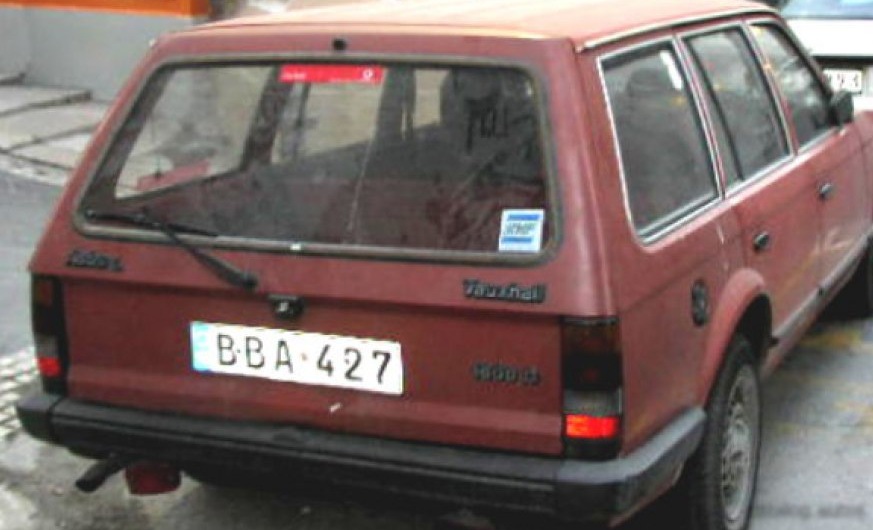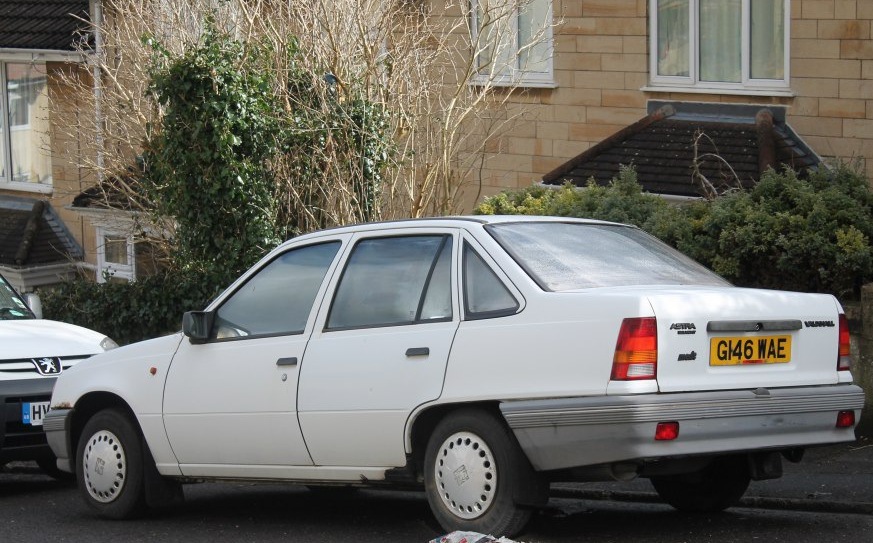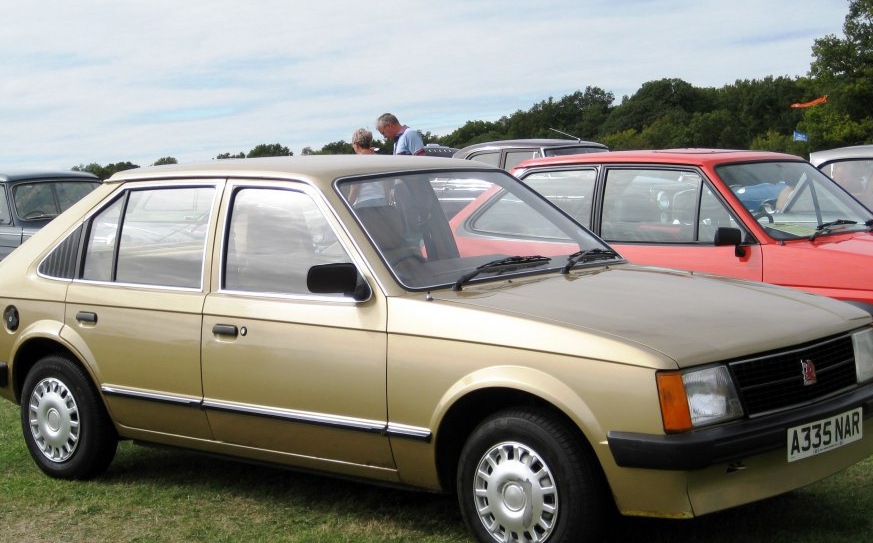
The Vauxhall Astra CC 1.3 S, produced between 1979 and 1984, represents the entry-level offering within the first generation Astra (Mk1) range. This model, designated internally as the 13S or 13SC, played a crucial role in establishing the Astra as a popular and affordable family hatchback in the United Kingdom and wider European markets. It was designed to provide economical transportation for a broad customer base, prioritizing fuel efficiency and practicality over outright performance. The Astra CC (Coupe Convenience) designation, while seemingly contradictory for a hatchback, was Vauxhall’s marketing term at the time, emphasizing the car’s relatively modern styling and comfort features compared to its predecessors.
Technical Specifications
| Brand | Vauxhall |
| Model | Astra |
| Generation | Astra CC (Mk1) |
| Type (Engine) | 1.3 S (75 Hp) |
| Start of Production | 1979 |
| End of Production | 1984 |
| Powertrain Architecture | Internal Combustion Engine |
| Body Type | Hatchback |
| Seats | 5 |
| Doors | 5 |
| Fuel Type | Petrol (Gasoline) |
| Power | 75 Hp |
| Engine Model/Code | 13S, 13SC |
| Engine Aspiration | Naturally Aspirated |
| Engine Oil Capacity | 3 l (3.17 US qt | 2.64 UK qt) |
| Coolant Capacity | 7 l (7.4 US qt | 6.16 UK qt) |
| Drivetrain | Front Wheel Drive |
Powertrain & Engine Architecture
The heart of the Astra 1.3 S is a 1296cc, inline-four cylinder petrol engine. The ‘S’ suffix denotes a slightly uprated version of the base 1.3-liter unit. This engine, identified by the codes 13S and 13SC, is a relatively simple design featuring a single overhead camshaft (SOHC) operating two valves per cylinder. Fuel delivery is managed by a single, two-barrel carburetor – typically a Solex or Pierburg – rather than fuel injection, which was less common in this segment during the late 1970s and early 1980s. The engine’s compression ratio is around 8.5:1. The 75 horsepower output is achieved at approximately 6000 rpm, with peak torque of around 88 lb-ft (120 Nm) arriving at 4000 rpm. The engine is mated to a four-speed manual gearbox as standard, although a three-speed automatic transmission was offered as an option, albeit less frequently chosen. The automatic transmission was a Borg-Warner unit, known for its durability but also for its relatively slow shift times and tendency to reduce fuel economy.
Driving Characteristics
The Astra 1.3 S, particularly in automatic guise, was not designed for spirited driving. Acceleration from 0 to 60 mph took around 14-16 seconds, and top speed was approximately 90 mph (145 km/h). The automatic transmission further diminished performance, with noticeable ‘hunting’ between gears, especially on inclines. However, the engine proved to be remarkably durable and relatively easy to maintain. The gear ratios in the manual transmission were reasonably well-spaced for everyday driving, providing adequate performance for urban and highway use. The automatic, while offering convenience, felt sluggish and required careful throttle modulation to avoid excessive engine strain. The steering was light and precise, making the Astra easy to maneuver in tight spaces, but lacked significant feedback. The suspension, while comfortable, was prone to body roll during cornering.
Equipment & Trim Levels
The 1.3 S trim level represented a basic, but functional specification. Standard equipment included cloth upholstery, a basic instrument cluster with speedometer, fuel gauge, and temperature gauge, and manually operated windows and door locks. The interior was typically finished in dark colors, reflecting the car’s utilitarian focus. Optional extras included a radio, heated rear window, and upgraded interior trim. The exterior featured black plastic bumpers and relatively simple steel wheels with hubcaps. Higher trim levels, such as the 1.6 SR, offered more luxurious features like alloy wheels, upgraded upholstery, and additional instrumentation.
Chassis & Braking
The Astra CC utilized a front-engine, front-wheel-drive layout with a MacPherson strut front suspension and a twist-beam rear axle. The braking system consisted of disc brakes on the front wheels and drum brakes on the rear. The braking performance was adequate for the car’s weight and power output, but lacked the stopping power of more modern vehicles. Stabilizer bars were fitted to both the front and rear axles, helping to reduce body roll during cornering. The steering was a rack and pinion system, providing relatively precise control.
Market Reception & Comparison
The Astra 1.3 S was generally well-received by critics as a practical and affordable family car. It was praised for its fuel efficiency – typically around 35-40 mpg – and its reliability. However, the performance of the 1.3-liter engine, particularly when paired with the automatic transmission, was often criticized. Compared to the 1.6-liter versions of the Astra, the 1.3 S offered significantly less power and acceleration. The 1.6 SR, for example, provided a noticeably more engaging driving experience. The 1.3 S was also positioned below the diesel-powered Astra models in terms of refinement and overall driving pleasure. However, its lower price point made it an attractive option for budget-conscious buyers.
Legacy
The Astra 1.3 S, while not the most exciting variant of the first-generation Astra, played a vital role in establishing the model’s reputation for reliability and affordability. The 13S/13SC engine proved to be remarkably durable, and many examples are still on the road today. In the used car market, these Astras are valued for their simplicity and ease of maintenance. Parts availability remains relatively good, making them a popular choice for classic car enthusiasts and those seeking a cost-effective and reliable vintage hatchback. The Astra 1.3 S represents a significant piece of automotive history, embodying the spirit of affordable motoring in the late 1970s and early 1980s.